
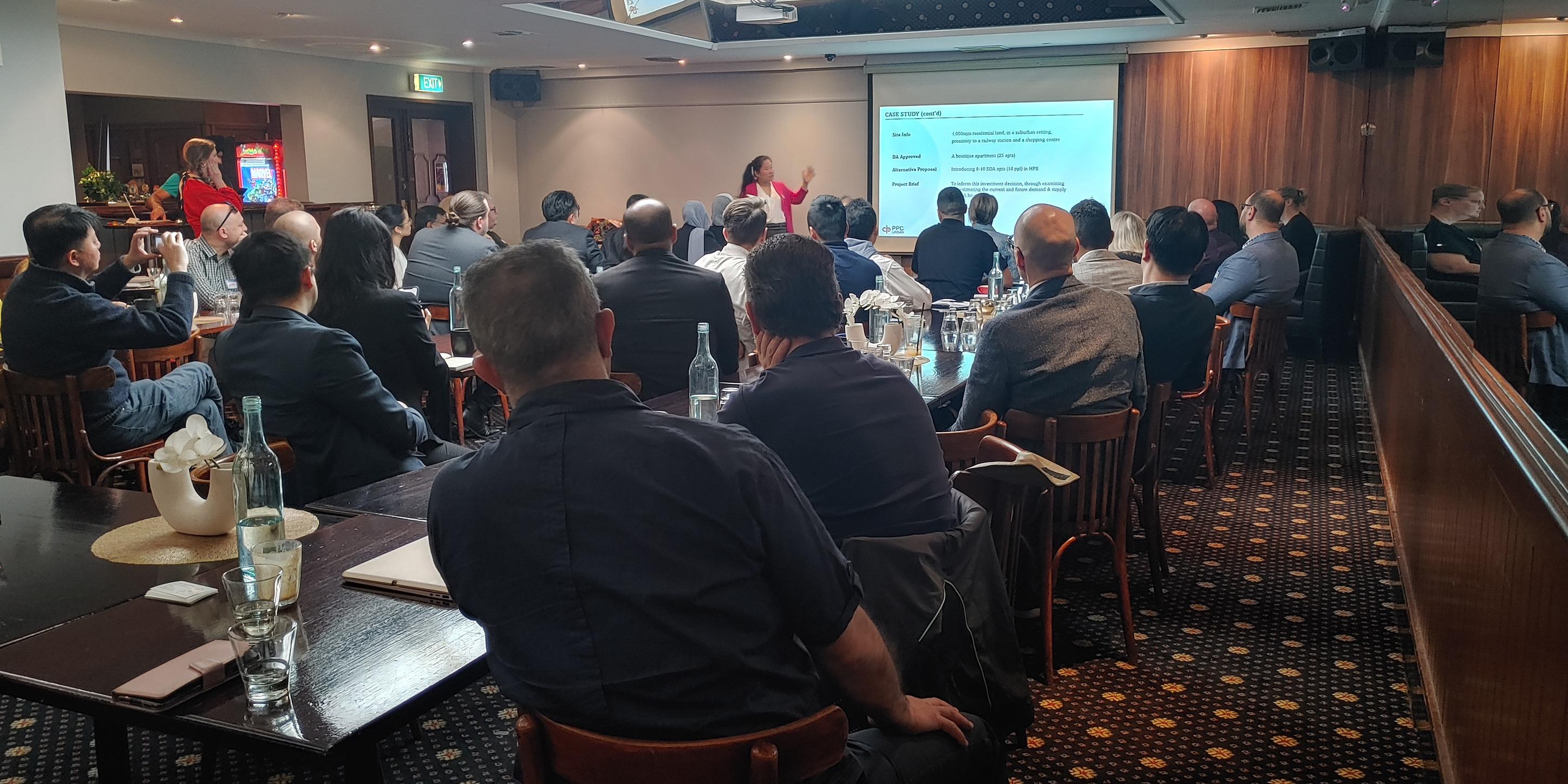
Urban development and community growth go hand in hand. As cities expand, thoughtful design — integrating infrastructure, land use, and community needs — becomes crucial. A well-executed urban plan doesn’t just organize streets and buildings; it shapes how people live, work, and connect. Recognizing this, many municipalities and private developers seek expert guidance to navigate zoning laws, environmental regulations, and public utility needs. That’s where professional town planning steps in.
Why Town Planning Matters
Proper urban planning ensures efficient use of land, reduces congestion, and fosters sustainable growth. It helps avoid haphazard building that strains resources or degrades quality of life. Planners consider traffic flow, green spaces, population density, and future expansion — ensuring neighborhoods remain livable over decades. Good design supports community, economy, and environment all at once. In the absence of planning, cities risk overdevelopment, pollution, and poor connectivity.
Through thoughtful strategy, planning guides placement of parks, schools, commercial zones, and transit corridors. It also protects sensitive environmental zones and preserves heritage areas when applicable. In short: properly planned cities give residents better access to amenities, smooth transportation, and a balanced lifestyle — while safeguarding long-term growth.
Key Components of Professional Town Planning
When you engage experts for planning, several core elements need to be addressed:
• Land-use zoning and layout
Professional planners designate residential, commercial, industrial, and mixed‑use zones. They propose layouts for streets, sidewalks, public amenities, parking — aiming for safety, convenience, and efficiency. Smart zoning can minimize commuting time, reduce pollution, and support local businesses.
• Infrastructure and utilities planning
Water supply, sewage, electricity, drainage — all must be integrated. Planners anticipate future demand as population grows. This helps avoid service overloads and costly retrofits later. Proper drainage and waste‑management planning also reduce environmental impact and health risks.
• Transportation and connectivity
Transport planning includes roads, public transit routes, pedestrian and bike paths. A well-connected transport network reduces congestion and encourages sustainable commuting. Planners analyze travel patterns and forecast future traffic to design efficient, flexible transport systems.
• Environmental and sustainability considerations
Modern urban plans must include green zones, parks, water management, and energy-efficient design. Integrating green belts, tree cover, storm‑water systems, and open space improves air quality and residents’ well-being. It also mitigates heat‑island effects and reduces flood risks.
• Community amenities and public facilities
Planning includes schools, healthcare centers, community halls, shopping areas, and recreational zones. Proper distribution ensures convenience and equitable access. It helps build communities, reduce travel time for essential services, and support social cohesion.
The Role of Expert Planners
Many developers and local governments rely on specialized firms to craft comprehensive blueprints. These firms coordinate with civil engineers, architects, environmental specialists, and local authorities. Their work often begins with demographic studies, environmental impact assessments, and future-growth forecasts before drafting a master plan.
Such professionals bring deep understanding of regulatory frameworks, zoning laws, environmental codes, and urban design standards. They foresee potential pitfalls — such as flooding areas, traffic bottlenecks, or utilities overload — and propose solutions beforehand. This proactive approach avoids costly mistakes down the line.
For instance, when a real estate project in a suburban area got stalled due to poor access roads and insufficient utilities, a planning team re‑designed the layout, re-zoned land sections for mixed use, and introduced a network of green corridors and service roads. The revised plan satisfied local authorities, attracted buyers, and avoided future infrastructure strain.
Markedly, a notable firm like PPC Urban can offer holistic guidance — framing zoning plans, ensuring compliance, and delivering designs that balance growth with livability. Their involvement can transform a haphazard project into a thoughtfully structured community setup.
How Town Planning Services Benefit Stakeholders
Developers and Investors
Engaging planners early reduces risk and uncertainty. With a solid blueprint, investors can reliably estimate costs for utilities, roadwork, drainage, and amenities. It also helps anticipate regulatory approvals — as compliance with environmental rules and zoning is baked into the plan.
Local Communities and Residents
Well-planned neighborhoods offer better living standards. Residents experience smooth traffic flow, accessible services, green spaces, and efficient utility distribution. When cities grow on a foundation of planning, living becomes more comfortable, sustainable, and organized.
Municipal Authorities and Governments
Urban planning supports long-term vision. It helps manage population growth, allocate resources efficiently, and future-proof cities against overcrowding and environmental stress. Public services like waste management, water supply, and public transport can be deployed more systematically when city expansion is planned and structured.
Choosing the Right Planning Partner
Selecting an experienced planning firm matters. Here are key criteria to consider:
-
Track Record: Review past projects — did they deliver on design, sustainability, and infrastructure integration?
-
Multidisciplinary Expertise: Since planning touches many domains (architecture, engineering, environment, transport), choose a partner with broad capabilities.
-
Local Regulatory Knowledge: Local zoning laws and environmental regulations vary — the partner must understand local requirements.
-
Community‑centric Approach: Effective planning balances developer interests with resident needs — ensuring livability, green spaces, and amenities.
-
Future‑oriented Vision: The partner should plan not just for present needs but for growth 10–20 years down the line.
What to Expect From the Planning Process
-
Initial Assessment: Survey of the land, environmental studies, demographic forecasts, analysis of terrain, environmental sensitivity, existing infrastructure.
-
Conceptual Master Plan: Zoning, layout sketches, infrastructure distribution, road network, utilities, amenities.
-
Regulatory Compliance: Ensuring zoning regulations, environmental guidelines, building codes, and local laws are satisfied.
-
Detailed Design & Services Integration: Detailed road/street design, drainage, water supply lines, electricity, waste‑management, public utilities planning.
-
Stakeholder Consultation: Working with local authorities, community representatives, developers, and sometimes public hearings.
-
Implementation Guidelines & Phasing Plan: Designing phases of development — e.g. first roads and utilities, then housing, then commercial areas — to ensure smooth rollout and minimal disruption.
Conclusion
Cities and communities don’t grow by chance — they evolve through careful planning, design, and coordination. Engaging the right team for urban design and planning ensures balanced growth, environmental responsibility, and long-term livability. Whether you’re a developer preparing a new housing project or a local government envisioning future expansion, investing in proper planning is crucial. By focusing on zoning, infrastructure, transport, community needs, and sustainability, planners help build communities that thrive. With expert guidance and a comprehensive plan, urban growth becomes an opportunity — not a challenge — for better living.

 English
 Magyar
 Arabic
 Spanish
 Portuguese
 Deutsch
 Turkish
 Dutch
Dutch
 Italiano
 Russian
 Romaian
 Portuguese (Brazil)
 Greek
Greek