
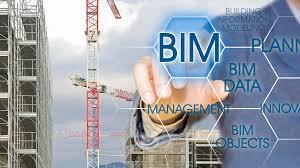
Dubai has emerged as a global hub for architectural innovation and ambitious construction projects. From towering skyscrapers to state-of-the-art infrastructure, the city’s construction landscape is complex and highly demanding. In this environment, efficient project collaboration, accurate planning, and error-free execution are crucial. One professional role that has become indispensable in achieving these objectives is the BIM Coordinator. Building Information Modelling (BIM) has transformed construction processes worldwide, and in Dubai, BIM Coordinators play a vital role in ensuring projects are delivered on time, within budget, and to the highest standards.
Understanding the Role of a BIM Coordinator
A BIM Coordinator acts as the bridge between design teams, engineers, contractors, and project managers. Their primary responsibility is to manage the digital representation of a construction project using BIM software and processes. Unlike a BIM Manager, who focuses on strategy and overall BIM implementation, the BIM Coordinator deals with the practical application of BIM on a day-to-day basis. This involves maintaining model accuracy, coordinating between disciplines, and ensuring that all stakeholders have access to up-to-date project information.
In Dubai, where projects often involve multiple international stakeholders, the BIM Coordinator ensures seamless communication and collaboration, reducing the risk of errors and rework. They are responsible for creating a structured workflow where architectural, structural, and MEP (Mechanical, Electrical, Plumbing) models integrate smoothly, forming a coherent and clash-free digital model.
Facilitating Collaboration Between Teams
One of the most important contributions of a BIM Coordinator is facilitating collaboration among diverse teams. Construction projects in Dubai typically involve architects, structural engineers, MEP consultants, contractors, and clients from various backgrounds. Without a centralized system, communication gaps can lead to costly mistakes and delays.
BIM Coordinators maintain a shared platform where all team members can access the latest design models and project data. Any updates made by one team are instantly visible to others, allowing for real-time coordination. For example, if an engineer updates the structural framework of a building, the BIM Coordinator ensures that these changes are reflected in the architectural and MEP models. This integrated approach minimizes conflicts and ensures that every stakeholder is on the same page throughout the project lifecycle.
Clash Detection and Conflict Resolution
In complex construction projects, clashes between architectural, structural, and MEP components are common. Resolving these issues on-site can be time-consuming and expensive. BIM Coordinators use advanced BIM tools to detect and resolve clashes virtually before construction begins.
In Dubai’s high-rise and mixed-use developments, where space constraints are significant and precision is critical, clash detection is a crucial task. By identifying potential conflicts early, BIM Coordinators prevent delays, reduce material wastage, and ensure that construction proceeds smoothly. This proactive approach not only saves costs but also enhances the overall quality of the project.
Ensuring Data Accuracy and Consistency
Data accuracy is at the heart of successful construction projects. BIM Coordinators are responsible for maintaining consistent and accurate data across all models and documentation. They ensure that every element of the project, from dimensions to specifications, adheres to the design standards and client requirements.
Accurate data management is particularly important in Dubai, where projects often involve sophisticated architectural features and advanced engineering solutions. A single error in the model can lead to costly rework, project delays, or compliance issues. BIM Coordinators implement strict quality control measures, verify model integrity, and update stakeholders on any changes, ensuring that the digital model remains a reliable source of truth throughout the project.
Supporting Project Management and Scheduling
BIM Coordinators also play a significant role in project management and scheduling. By integrating BIM models with project timelines, they help create 4D simulations that visualize construction sequences over time. This allows project managers to identify potential bottlenecks, optimize resource allocation, and develop realistic schedules.
In Dubai, where large-scale projects such as luxury hotels, commercial towers, and infrastructure developments demand precise coordination, these simulations are invaluable. They enable project teams to plan construction activities efficiently, anticipate challenges, and make informed decisions that keep the project on track.
Enhancing Communication with Clients and Stakeholders
Effective communication with clients and stakeholders is critical for project success. BIM Coordinators provide 3D visualizations, detailed reports, and interactive models that make complex designs easier to understand. Clients can virtually explore the project, provide feedback, and approve design decisions before construction begins.
This level of transparency builds trust and ensures that client expectations are met. In Dubai, where clients often invest heavily in high-profile projects, BIM Coordinators help bridge the gap between technical teams and non-technical stakeholders, ensuring clarity and alignment throughout the project lifecycle.
Supporting Sustainability and Compliance
Sustainability and regulatory compliance are increasingly important in Dubai’s construction sector. BIM Coordinators help integrate sustainable design practices by enabling energy analysis, material optimization, and environmental impact assessments. They ensure that models comply with local building codes, safety standards, and sustainability regulations, such as those set by Dubai Municipality or the Dubai Green Building Regulations.
By incorporating sustainability considerations early in the design process, BIM Coordinators help project teams reduce energy consumption, minimize waste, and achieve environmental certifications. This not only benefits the environment but also enhances the reputation of developers and contractors in a competitive market.
The Skills and Qualifications of a BIM Coordinator
To excel in their role, BIM Coordinators require a combination of technical expertise, communication skills, and problem-solving abilities. Key skills include proficiency in BIM software such as Revit, Navisworks, and AutoCAD, as well as knowledge of construction methods, standards, and regulations. Strong coordination and communication skills are essential to manage multiple teams effectively, while analytical skills help in detecting clashes, resolving conflicts, and maintaining data accuracy.
In Dubai, where projects are often technologically advanced and architecturally complex, BIM Coordinators must also stay updated with the latest industry trends, digital tools, and regulatory requirements. Continuous learning and professional development are crucial for maintaining high performance in this dynamic field.
The Impact of BIM Coordinators on Dubai’s Construction Industry
BIM Coordinators have had a transformative impact on Dubai’s construction industry. By streamlining workflows, enhancing collaboration, and ensuring data accuracy, they have contributed to the successful completion of numerous high-profile projects. Their ability to integrate multidisciplinary teams, detect clashes, support project management, and enhance client communication has made them an essential part of modern construction practices.
From iconic skyscrapers like the Burj Khalifa to large-scale infrastructure projects and luxury residential developments, BIM Coordinators have played a key role in ensuring that Dubai’s ambitious construction projects are delivered efficiently, sustainably, and to the highest quality standards.
Conclusion
The role of a BIM Coordinator is central to the success of modern construction projects, especially in a dynamic and ambitious market like Dubai. By facilitating collaboration, ensuring model accuracy, supporting project management, and enhancing communication, BIM Coordinators bridge the gap between design and construction. They help teams deliver projects that meet client expectations, comply with regulations, and achieve sustainability goals.
As Dubai continues to pursue innovative and large-scale construction initiatives, the importance of BIM Coordinators will only grow. Their expertise in managing complex models, coordinating multidisciplinary teams, and implementing best practices ensures that construction projects are executed efficiently, on time, and within budget. For developers, contractors, and project managers, investing in skilled BIM Coordinators is not just a strategic choice—it is essential for success in Dubai’s competitive construction industry.

 English
 Arabic
 French
 Spanish
 Portuguese
 Deutsch
 Turkish
 Dutch
Dutch
 Italiano
 Russian
 Romaian
 Portuguese (Brazil)
 Greek
Greek