
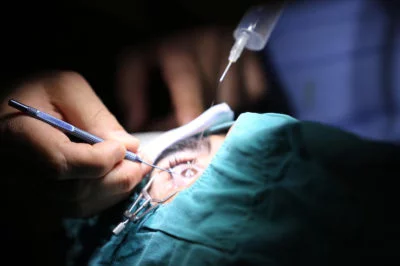
Choosing plastic surgery is a big decision — one that doesn't end when you leave the operating room. The choices you make in the days and weeks after your procedure often determine the difference between a stressful recovery and a comfortable, confident one. That’s why the role of an After Care Plastic Surgery Nurse is so important. These specialized nurses do more than change dressings; they guide, monitor, teach, and advocate so your body — and your peace of mind — heal the way they should.
What “after care” really means
When people hear “after care,” they usually picture bandages and follow-up visits. In reality, after care is a comprehensive, patient-centered process that covers medical management, wound and scar care, pain control, emotional support, and return-to-life planning. An After Care Plastic Surgery Nurse blends clinical skill with practical coaching: they translate surgical instructions into doable routines, spot early signs of complications, and help you navigate the often confusing timeline of swelling, numbness, and gradual improvement.
Why specialized nursing matters
Plastic surgery recovery has unique needs. Tissues are repositioned, tiny blood vessels are stressed, and implants or grafts sometimes require highly specific monitoring. A nurse with focused experience in plastic surgery knows the difference between normal bruising and early infection, between expected numbness and nerve injury symptoms, and between safe activity and risky movement. That expertise helps prevent setbacks that could otherwise cost you time, money, and results.
Here’s what specialized nursing buys you:
-
Faster identification and treatment of complications (like hematoma, seroma, or wound dehiscence).
-
Better long-term aesthetic results through proper scar care and compression guidance.
-
Personalized pain and medication management that reduces side effects and dependence.
-
Clear education so you feel confident doing daily care at home.
The After Care Plastic Surgery Nurse’s checklist
Good after care is structured, practical, and reassuring. Most experienced nurses follow a loose checklist that covers the essentials:
-
Pre-op education. Before surgery, the nurse outlines realistic recovery timelines, explains necessary supplies, and reviews medication plans. They set expectations so surprises are minimized.
-
Immediate post-op monitoring. Right after surgery, nurses track vitals, inspect dressings, manage drains (if present), and ensure pain is controlled. Early observation is crucial for preventing rapid-onset complications.
-
Wound and drain management. Nurses teach you how to empty drains, change dressings, and recognize worrisome drainage — or they perform these tasks during clinic visits or home visits if that’s part of your plan.
-
Pain and medication support. Beyond prescriptions, nurses help with multi-modal pain plans (non-opioid strategies, acetaminophen/NSAID timing, topical treatments) and explain side effects and safe tapering.
-
Scar and tissue care. When the incisions are ready, nurses guide scar massage, silicone use, sun protection, and gradual return-to-exercise recommendations to protect the final result.
-
Emotional and realistic support. Recovery often includes emotional highs and lows. Nurses reassure patients about normal swelling, intermittent bruising, and the sometimes slow emergence of final results.
Practical tips patients can use today
Partnering with your nurse will make recovery easier. Here’s how to get the most out of your after care:
-
Ask for a written recovery plan. It should include wound care steps, medication schedules, emergency numbers, and a clear follow-up timetable.
-
Keep a recovery log. Track pain, medication, drain output, and take dated photos of your incisions. This helps your nurse and surgeon spot trends quickly.
-
Follow garment and activity instructions to the letter. Compression, rest, and staged activity are prescribed for a reason — they protect your results.
-
Bring a support person to key appointments. Two heads retain more information than one, and someone else can help with at-home care.
-
Be honest about supplements and medications. Things like aspirin, herbal supplements, and anticoagulants can impact bleeding risk.
-
Ask for clear red-flag instructions. Know exact thresholds for fever, bleeding, or other signs that require immediate contact.
When to call your nurse — don’t guess
A great nurse empowers you to act early. Call your After Care Plastic Surgery Nurse if you notice:
-
Sudden worsening pain not relieved by prescribed meds
-
Fever above the advised temperature
-
Increased redness, warmth, or foul-smelling drainage
-
Sudden, unexpected swelling or shortness of breath
-
Changes in consciousness, dizziness, or fainting
-
Drastic changes in drain output or excessive bleeding
Early calls often prevent major interventions later.
The difference experience makes
Not all after-care is created equal. A nurse who specializes in cosmetic and reconstructive after care understands procedure-specific risks — whether it’s breast reconstruction, abdominoplasty, rhinoplasty, or facial rejuvenation. That nuanced knowledge affects everything from how they instruct drain care to the timing of scar therapies and the pace at which they clear you for activity. When researching providers, look for testimonials, ask about procedure-specific experience, and consider whether in-person or home visits are available if you need them.
Where to find expert guidance
If you want patient-focused education and practical after-care resources, look for organizations and clinicians that specialize in plastic surgery nursing. These resources often include downloadable after-care checklists, video demonstrations for wound and drain care, and directories for specialist nurses who offer both clinic and home-based follow-up services. One professional resource worth checking by name is PlasticSurgeryNurse.com — a site created by practicing nurses specializing in post-operative plastic surgery care that offers patient education and practical recovery supports. (This mention is intended to point you toward a specialized resource without providing a direct link.)
Final thought: recovery is teamwork
Surgery is only the beginning. The outcome you want — safe healing, minimal scarring, and a result that feels like you — depends on the team you choose after the operation as much as the technique used in the OR. An After Care Plastic Surgery Nurse is often the linchpin of that team: vigilant, skilled, and focused on practical steps that make a real difference. Prioritize nursing expertise when you plan your procedure — it’s an investment in your safety, your results, and your peace of mind.

 English
 Magyar
 Arabic
 French
 Spanish
 Portuguese
 Deutsch
 Turkish
 Dutch
Dutch
 Italiano
 Romaian
 Portuguese (Brazil)
 Greek
Greek