
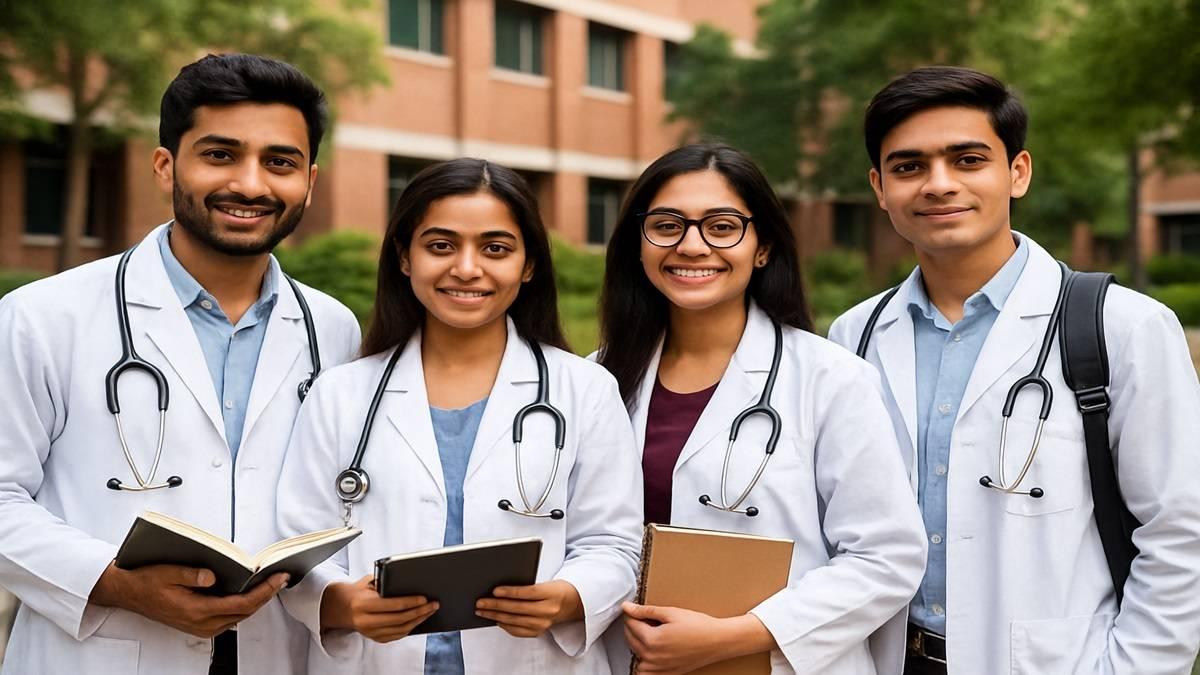
MBBS in Iran for medical students has emerged as a strong and intelligent choice for Indian aspirants seeking international-quality medical education at affordable fees, modern hospital exposure, and globally respected academic credentials. With a rapidly growing medical ecosystem, Iran stands out as a country where centuries-old medical heritage blends seamlessly with modern technology-driven healthcare. Many Indian students who once struggled with limited MBBS seats and high fee structures in India are now recognizing Iran as a balanced, safe and academically powerful alternative. This 1000-word article explores how Iran is shaping future doctors, why it stands ahead of other MBBS abroad destinations, and what makes it a smart long-term career investment.
Why Iran Is Rising as a Leading MBBS Abroad Destination
Iran has consistently invested in medical science, research and hospital infrastructure, making it one of the most advanced healthcare hubs in Asia and the Middle East. The government tightly regulates medical universities, ensuring strict academic standards, clinical exposure and curriculum quality. Universities such as Tehran University of Medical Sciences, Shiraz University of Medical Sciences, Mashhad Medical University, Isfahan Medical University and Tabriz Medical University are recognized worldwide for their teaching methodologies and clinical research output.
Iran’s medical teaching framework is built on depth-based learning rather than surface-level memorization. Students are encouraged to understand concepts, analyse cases, observe real-time diagnosis and participate in patient-based decision making. This prepares them for global medical licensure exams and practical healthcare situations beyond theory.
Course Duration and Curriculum Structure
The MBBS course in Iran is structured across six years, including a full clinical internship. The curriculum is divided carefully to help students transform from theoretical learners into confident clinical practitioners.
| Study Phase | Academic Focus |
|---|---|
| Years 1-2 | Basic Medicine — Anatomy, Biochemistry, Physiology, Histology |
| Years 3-4 | Para-Clinical — Microbiology, Pharmacology, Pathology, Forensics |
| Years 5-6 | Clinical Rotations — Surgery, Internal Medicine, Paediatrics, Orthopaedics, ENT, Cardiology |
Clinical exposure begins earlier compared to several other abroad destinations. Students attend hospital rounds, shadow doctors, observe surgeries and interact with patients directly, which helps them understand real disease patterns and treatment approaches. By the final year, medical students are actively involved in OPD documentation, emergency care assistance and case discussions.
Affordability — A Major Reason Iran Is Preferred
Iran offers medical education at a much lower cost than Western nations and even cheaper than many Asian alternatives. While private MBBS seats in India can exceed 80 lakh INR to 1.5 crore, Iran usually costs nearly half or even less.
Estimated Expenses in Iran:
-
Tuition Fees: ₹3.5 – ₹7.5 Lakhs per year (varies by university)
-
Total 6-Year Cost: ₹25 – ₹40 Lakhs approximately
-
Living Costs: ₹12,000 – ₹20,000 per month including food + accommodation
What makes Iran more appealing is the absence of donation or capitation charges. The admission process remains transparent, NEET-based and merit-oriented — making it financially accessible for Indian families.
Global Degree Recognition & Career Scope
Medical degrees from Iran are recognized by NMC, WHO, WDOMS, ECFMG and FAIMER, which means graduates are eligible to appear for licensing exams including:
-
FMGE / NExT (India)
-
USMLE (United States)
-
PLAB (United Kingdom)
-
AMC (Australia)
-
DHA / MOH (UAE, Oman, Qatar)
The strong clinical exposure and conceptual clarity offered by Iranian institutions help students in cracking these exams efficiently. Many Indian students from Iran today are successfully practicing or pursuing postgraduate studies in India, Gulf countries, USA, UK and Europe.
Living & Student Lifestyle in Iran
Iran offers a culturally comfortable environment for Indian students. The lifestyle is peaceful, disciplined and welcoming. Students quickly adapt as the food, climate and social structure feel familiar. Cities like Tehran, Shiraz, Mashhad and Isfahan are student-friendly metros offering safe transportation, vibrant markets, libraries, cafes and academic communities.
Hostel & Food Facilities Include:
-
Separate hostels for girls & boys
-
Indian mess options available
-
24×7 campus security & CCTV
-
Laundry, Wi-Fi & study rooms
-
Fully furnished rooms with heating system
Living costs depend on city and personal lifestyle, but most students manage comfortably without financial stress.
Clinical Training — Where Iran Builds Real Doctors
Iran is known for its strong hospital network and high patient flow, which benefits medical learners immensely. Students witness a variety of disease cases — from general ailments to complex chronic conditions, trauma cases, cardiovascular disorders and surgical emergencies.
Clinical training includes:
-
Bedside history & diagnosis writing
-
OPD interactions with patients
-
Case presentations and ward duties
-
Surgical observation & participation
-
Radiology & pathology exposure
This transforms students into responsible, decision-capable doctors rather than book-trained degree holders. Confidence, communication and crisis-management skills develop naturally through continuous hospital experience.
Admission Process — Simple and NEET-Based
Indian students must qualify NEET and meet PCB academic requirements to apply for admission. The process is smooth and documentation-based:
-
Submit academic records + passport copy
-
Receive admission letter from university
-
Apply for visa through official embassy channel
-
Pay initial fees & book accommodation
-
Fly to Iran for orientation & registration
No donation. No entrance exam. No complicated screening — just merit and documentation.
Why Iran Is a Smart Medical Career Choice
Iran stands at a golden intersection of affordability, clinical quality, campus safety, technology and global recognition. It offers what most students seek — a secure path to a medical career without financial burden. The academic environment pushes students to think scientifically, analyze deeply and treat responsibly. They graduate not just as doctors — but as skilled professionals ready for multinational medical environments.
Students trained in Iran carry:
-
Strong practical experience
-
Multilingual communication exposure
-
Research understanding & technology familiarity
-
Adaptability to diverse clinical ecosystems
This is why Iran is increasingly becoming a powerful medical destination for Indian students.
Conclusion — A Pathway Worth Choosing
Choosing Iran for MBBS is more than choosing a university — it is choosing growth, global career opportunities, cultural comfort and cost-efficient medical training. In Iran, students study with confidence, learn through experience, live safely and graduate with respect. The country may appear simple from a distance, but academically, Iran stands among the most competitive and future-ready medical education hubs in Asia.
For Indian students with dreams bigger than limitations, Iran opens doors —
not just to a degree, but to a lifelong medical future.

 English
 Arabic
 French
 Spanish
 Portuguese
 Deutsch
 Turkish
 Dutch
Dutch
 Italiano
 Russian
 Romaian
 Portuguese (Brazil)
 Greek
Greek