
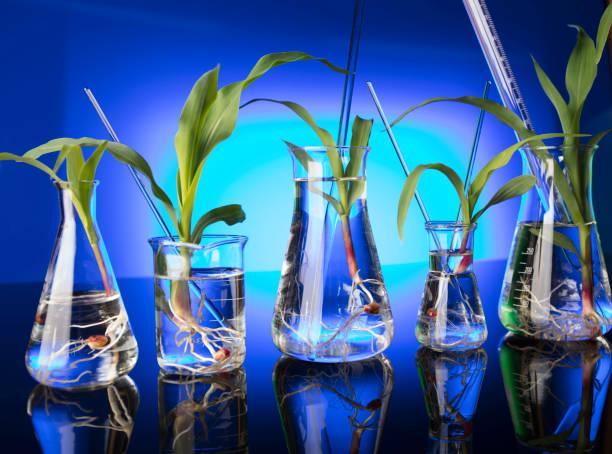
The global agricultural landscape is undergoing a significant transformation, driven by rising food demand, stricter environmental regulations, and the growing need for crop production systems that prioritize sustainability. Within this evolving ecosystem, biostimulants have emerged as a valuable tool for farmers seeking to boost crop performance naturally and efficiently. These products are increasingly recognized for their ability to enhance plant physiological functions, support improved nutrient uptake, and strengthen resilience against stress factors.
Biostimulants are derived from natural and biological ingredients that activate specific plant processes. Their formulations often include components such as seaweed extracts, amino acids, humic substances, and beneficial microorganisms. When applied to crops, these substances help optimize plant growth by improving metabolic activities and supporting root development. This makes biostimulants particularly valuable in regions facing challenges such as soil degradation, erratic weather patterns, and water scarcity.
One of the major catalysts behind growing biostimulant adoption is the global shift toward environmentally responsible farming practices. Consumers today are more aware of how their food is grown and increasingly prefer crops produced through sustainable methods. This consumer-driven demand encourages farmers to incorporate natural and eco-friendly inputs that reduce dependency on synthetic chemicals. Biostimulants fit perfectly into this framework by offering performance benefits without compromising ecological balance.
Manufacturers are responding to market needs by investing in advanced research and developing innovative formulations tailored to specific crop categories. For example, specialized biostimulants are being designed for vegetables, fruit orchards, cereals, and specialty crops. Product diversification supports wider industry adoption and allows growers to choose solutions aligned with their unique agronomic conditions. As scientific knowledge expands, new multi-functional blends are expected to further improve crop performance and efficiency.
Digital transformation also plays a crucial role in accelerating biostimulant adoption. Modern farming techniques now incorporate tools such as AI-based farm management systems, moisture sensors, soil mapping, and drone-based monitoring. These technologies allow growers to use biostimulants more strategically by identifying nutrient deficiencies and stress periods. Such precision-driven application enhances product outcomes and helps farmers maximize return on investment.
Supportive policies and regulatory frameworks in major agricultural regions provide additional momentum. Governments worldwide are promoting the use of biological inputs to reduce chemical dependency and encourage soil restoration. The recognition of biostimulants within regulatory guidelines increases farmer confidence and fuels broader adoption. Many regions have also launched sustainability programs that encourage farmers to transition toward environmentally friendly crop inputs.
With innovation, regulatory support, and global sustainability initiatives converging, the Biostimulants Market is positioned for substantial expansion. Companies in this sector are adopting aggressive growth strategies such as strategic partnerships, market expansion into developing agricultural regions, and investment in advanced research platforms. Competitive intensity is rising as the industry attracts interest from both established and emerging players.
A strategic review of Biostimulants Market Growth shows strong long-term potential. The industry’s upward momentum reflects its ability to address modern agricultural challenges while contributing to sustainable food production. As farmers increasingly adopt biologically based inputs to improve productivity and environmental performance, biostimulants will remain central to future agricultural systems. Their continued integration into global farming practices underscores their importance in driving resilient, high-efficiency crop production.

 English
 Magyar
 Arabic
 French
 Spanish
 Portuguese
 Deutsch
 Turkish
 Dutch
Dutch
 Italiano
 Romaian
 Portuguese (Brazil)
 Greek
Greek