
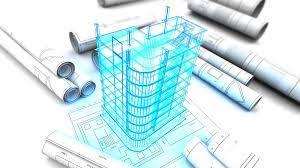
In the rapidly evolving construction industry, efficiency, accuracy, and collaboration have become key factors for success. Modern construction projects, particularly in the UAE, are growing in complexity, involving multiple stakeholders, advanced designs, and tight schedules. One professional role that has become indispensable in managing these complexities is the Building Information Modeling (BIM) Coordinator. BIM Coordinators are central to ensuring smooth project execution, effective collaboration, and timely delivery, making them vital for both contractors and clients.
Understanding BIM and Its Importance in Construction
Building Information Modeling, commonly known as BIM, is more than just a digital tool; it is a methodology that integrates all aspects of a construction project into a single, coordinated model. This model allows teams to visualize the project in 3D, manage data efficiently, and make informed decisions throughout the project lifecycle. In the UAE, where large-scale projects such as skyscrapers, luxury hotels, and mixed-use developments dominate the construction landscape, BIM has become a standard practice.
The UAE government has even mandated the use of BIM for certain public projects, reflecting the strategic importance of digital construction technologies. BIM improves accuracy, reduces errors, enhances collaboration, and ultimately helps projects remain on time and within budget. However, successful BIM implementation requires skilled professionals who can manage models, coordinate teams, and maintain high standards of data quality. This is where the BIM Coordinator plays a pivotal role.
Who Is a BIM Coordinator?
A BIM Coordinator is responsible for overseeing the implementation and management of BIM processes on construction projects. They act as the central point of contact between architects, engineers, contractors, and clients, ensuring that all project data is accurate, consistent, and aligned with project requirements. Unlike BIM managers, who are often focused on strategic BIM adoption across an organization, BIM Coordinators are hands-on professionals working on individual projects to ensure day-to-day coordination.
Their responsibilities often include managing 3D models, resolving clashes between different disciplines, coordinating with subcontractors, and maintaining standardized workflows. In essence, the BIM Coordinator ensures that every project stakeholder is working with the most up-to-date and accurate information, reducing the risk of costly mistakes and delays.
Key Responsibilities of a BIM Coordinator
-
Model Management
BIM Coordinators are responsible for creating, updating, and managing 3D models of the project. This involves integrating architectural, structural, and MEP (mechanical, electrical, and plumbing) designs into a single coherent model. In UAE projects, which often involve intricate designs and advanced building systems, model management is critical for maintaining accuracy and preventing conflicts. -
Clash Detection and Resolution
One of the major challenges in construction is the occurrence of clashes between different systems, such as electrical conduits intersecting with plumbing lines. BIM Coordinators use specialized software to identify these clashes early in the design phase, allowing teams to resolve issues before construction begins. This proactive approach saves time, reduces costs, and improves overall project quality. -
Coordination Between Stakeholders
Construction projects involve multiple teams, including architects, engineers, contractors, and consultants. A BIM Coordinator acts as the communication bridge between these parties, ensuring everyone is aligned on project goals, timelines, and standards. Regular coordination meetings and model reviews are often conducted to maintain transparency and streamline workflows. -
Quality Control and Data Management
BIM Coordinators ensure that all project data, from drawings to specifications, is accurate and up to date. They maintain data standards and enforce best practices across teams, ensuring that models comply with project requirements and local regulations. In the UAE, where compliance with government standards is strict, this aspect of the role is particularly important. -
Supporting Project Planning and Scheduling
Beyond design coordination, BIM Coordinators assist in project planning by integrating models with construction schedules (4D BIM) and cost data (5D BIM). This enables project managers to simulate construction sequences, optimize resources, and anticipate potential delays. The UAE construction market, known for its ambitious timelines, benefits greatly from such predictive planning.
The Impact of BIM Coordinators on UAE Construction Projects
The UAE has witnessed a construction boom over the past two decades, with landmark projects such as the Burj Khalifa, Expo 2020 sites, and numerous luxury developments. These projects demand precise coordination and meticulous planning. BIM Coordinators play a critical role in achieving this by:
-
Reducing design errors and construction clashes, thereby saving time and reducing costs.
-
Enhancing collaboration between multidisciplinary teams, ensuring seamless communication across all project stages.
-
Supporting sustainability initiatives by optimizing material usage and energy efficiency through detailed modeling.
-
Facilitating compliance with government regulations and international standards, which is crucial for high-profile projects in the UAE.
Skills Required to Be a Successful BIM Coordinator
To excel as a BIM Coordinator, professionals need a combination of technical knowledge, soft skills, and industry experience. Key skills include:
-
Technical Proficiency: Expertise in BIM software such as Autodesk Revit, Navisworks, and AutoCAD is essential.
-
Analytical Skills: Ability to identify potential design conflicts and propose effective solutions.
-
Communication and Collaboration: Strong interpersonal skills to coordinate between various project stakeholders.
-
Attention to Detail: Ensuring model accuracy and data integrity throughout the project lifecycle.
-
Project Management Knowledge: Understanding construction workflows, timelines, and budget considerations.
AEC7D’s Approach to BIM Coordination
AEC7D, a leading construction and engineering service provider in the UAE, emphasizes the critical role of BIM Coordinators in modern construction projects. Their approach integrates cutting-edge BIM technology with experienced professionals to deliver projects that are on time, within budget, and compliant with UAE regulations. By leveraging skilled BIM Coordinators, AEC7D ensures effective collaboration across all teams, seamless data management, and precise project execution. Their commitment to BIM excellence has positioned them as a trusted partner for both public and private sector projects in the UAE.
The Future of BIM Coordination in the UAE
As the UAE continues to invest in smart cities, sustainable infrastructure, and advanced construction technologies, the demand for BIM Coordinators is expected to grow. Emerging trends such as AI-driven design, digital twins, and cloud-based collaboration platforms will further enhance the role of BIM professionals. In this evolving landscape, BIM Coordinators will not only manage models but also drive innovation, efficiency, and sustainability in construction projects.
Conclusion
The role of a BIM Coordinator is indispensable in modern construction, particularly in the UAE's fast-paced and complex construction sector. By ensuring accurate modeling, seamless collaboration, and proactive problem-solving, BIM Coordinators help projects achieve high standards of quality, efficiency, and compliance. Companies like AEC7D demonstrate the value of integrating skilled BIM professionals into project teams, highlighting how strategic BIM coordination can transform construction outcomes. As the UAE continues to push the boundaries of architectural and engineering excellence, BIM Coordinators will remain at the forefront of delivering successful, innovative, and sustainable construction projects.

 English
 Magyar
 Arabic
 French
 Spanish
 Portuguese
 Turkish
 Dutch
Dutch
 Italiano
 Russian
 Romaian
 Portuguese (Brazil)
 Greek
Greek