
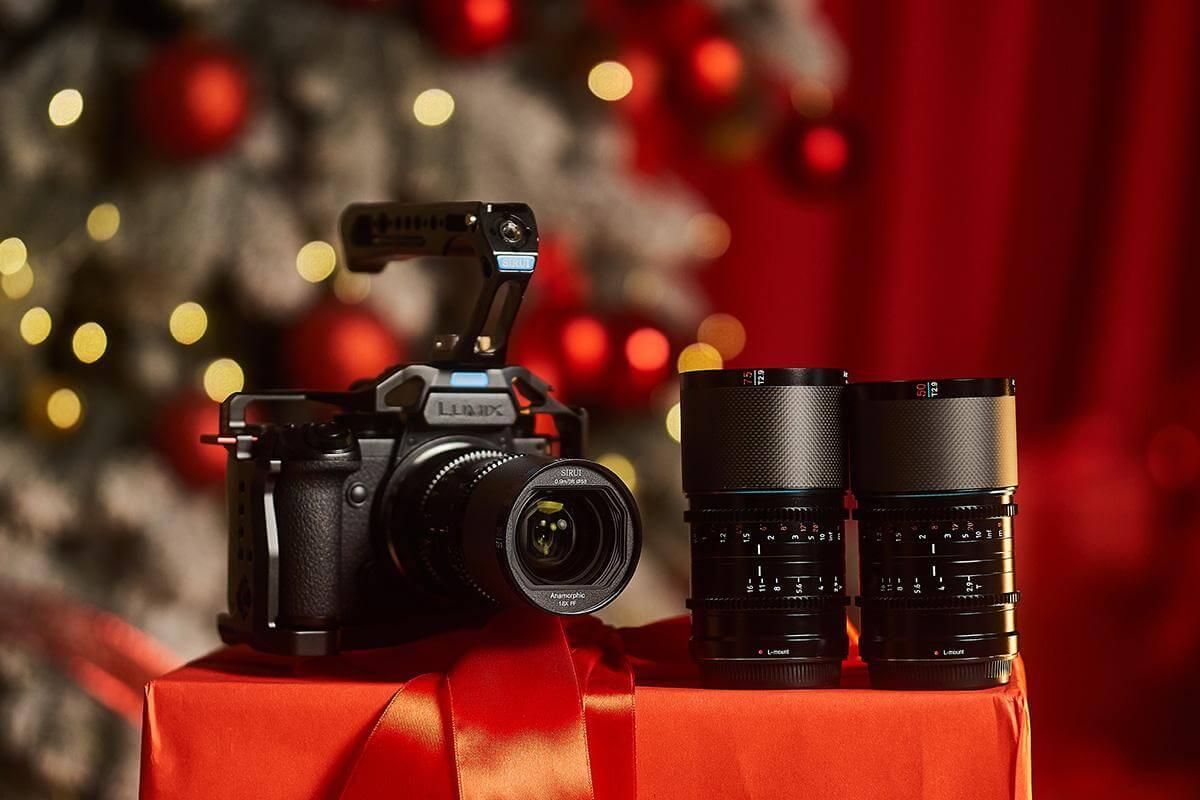
Camera lenses play a crucial role in determining image quality, perspective, and overall visual style. While camera bodies are important, the lens often has a greater impact on sharpness, depth of field, and low-light performance. Understanding different types of camera lenses can help photographers and videographers make smarter investment decisions.
One of the most common categories is prime lenses, which have a fixed focal length. Prime lenses are known for excellent sharpness, wider apertures, and strong low-light performance. They are ideal for portraits, street photography, and cinematic video where background blur and subject isolation matter. In contrast, zoom lenses offer adjustable focal lengths, making them more versatile for travel, events, and documentary shooting where flexibility is essential.
Another key factor when choosing camera lenses is focal length. Wide-angle lenses are perfect for landscapes, architecture, and interior shots, while standard lenses closely match the human eye’s perspective. Telephoto lenses are widely used for wildlife, sports, and long-distance subjects, allowing creators to capture details from afar without disturbing the scene.
Aperture is equally important. Lenses with larger maximum apertures allow more light to reach the sensor, improving performance in low-light environments and creating a shallow depth of field. This feature is especially valuable for professional photography and cinematic video production.
Ultimately, selecting the right camera lenses depends on your shooting style, creative goals, and budget. Whether you focus on photography, filmmaking, or content creation, investing in high-quality lenses can significantly elevate your visual results and provide long-term value for your creative work.

 English
 Arabic
 French
 Spanish
 Portuguese
 Deutsch
 Turkish
 Dutch
Dutch
 Italiano
 Russian
 Romaian
 Portuguese (Brazil)
 Greek
Greek