
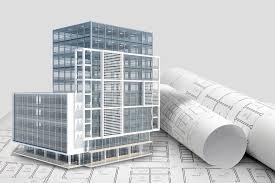
Building Information Modeling, commonly known as BIM, has transformed the way construction projects are planned, designed, and delivered across the UAE. With the country’s focus on smart cities, sustainable development, and large-scale infrastructure, BIM models have become a core requirement for achieving accuracy, efficiency, and coordination in modern construction projects. From high-rise towers in Dubai to infrastructure and mixed-use developments across the Emirates, BIM models play a vital role in supporting better decision-making throughout the project lifecycle.
What Are BIM Models
BIM models are intelligent digital representations of a building or infrastructure asset. Unlike traditional 2D drawings, BIM models combine geometry with detailed data related to materials, quantities, specifications, and performance. These models provide a shared digital platform where architects, structural engineers, MEP engineers, contractors, and clients can collaborate effectively.
In the UAE construction market, BIM models are increasingly mandated by authorities and clients, particularly for complex and large-scale projects. Companies such as AEC7D deliver advanced BIM models that support design development, coordination, construction planning, and facility management.
Importance of BIM Models in the UAE Construction Industry
The UAE construction industry is known for its fast-paced environment and ambitious projects. Tight schedules, high-quality expectations, and strict regulatory requirements demand accurate planning and execution. BIM models address these challenges by providing a clear and coordinated view of the project before construction begins.
By using BIM models, project teams in the UAE can reduce uncertainties, identify potential risks early, and ensure that designs align with client and authority requirements. This proactive approach supports smoother project delivery and helps avoid costly delays and rework.
BIM Models for Design Accuracy
One of the key benefits of BIM models is improved design accuracy. Traditional design methods often rely on separate drawings created by different disciplines, which can lead to inconsistencies and errors. BIM models integrate architectural, structural, and MEP designs into a single coordinated environment.
This integration allows designers to validate dimensions, clearances, and system layouts in three dimensions. For UAE projects where space optimization and aesthetics are critical, BIM models help ensure that the design intent is accurately translated into construction-ready information. AEC7D utilizes BIM models to enhance design precision and support informed design decisions from early stages.
Clash Detection and Coordination Using BIM Models
Clash detection is one of the most valuable applications of BIM models. By combining models from multiple disciplines, BIM software can automatically identify clashes such as ducts intersecting with beams or pipes conflicting with electrical systems.
In high-rise and infrastructure projects across the UAE, these clashes can result in significant delays and additional costs if discovered during construction. BIM models allow teams to resolve these issues during the design phase, saving time and resources. Coordinated BIM models provided by experienced firms like AEC7D help streamline collaboration and reduce on-site conflicts.
BIM Models for Construction Planning and Sequencing
BIM models are not limited to design coordination. They also support construction planning through 4D and 5D BIM. By linking the model to the project schedule, teams can visualize construction sequences over time. When cost data is added, BIM models also support accurate cost planning and control.
For UAE projects with complex phasing and tight deadlines, this level of planning is essential. BIM models help contractors plan site logistics, material deliveries, and workforce allocation more efficiently. This results in improved productivity and reduced disruption on site.
Supporting Sustainability and Energy Efficiency
Sustainability is a growing priority in the UAE, with initiatives focused on reducing energy consumption and environmental impact. BIM models support sustainable design by enabling energy analysis, daylight studies, and material optimization.
Through BIM models, designers can evaluate different design options and select solutions that improve energy performance while meeting local regulations and sustainability standards. AEC7D integrates sustainability considerations into BIM models, helping clients achieve environmentally responsible designs without compromising functionality or cost.
Compliance with UAE Standards and Authority Requirements
Construction projects in the UAE must comply with regulations set by local municipalities and authorities. BIM models help ensure compliance by allowing teams to check design elements against fire safety, accessibility, and building code requirements.
Detailed BIM models also support authority submissions and approvals by providing clear visualizations and accurate documentation. This reduces the likelihood of revisions during the approval process and helps keep projects on schedule. In a highly regulated environment like the UAE, BIM models are an effective tool for managing compliance.
BIM Models for Facility Management and Asset Lifecycle
The value of BIM models extends beyond construction completion. As-built BIM models provide accurate information about building systems, equipment, and materials, which is valuable for facility management and operations.
For commercial, residential, and infrastructure assets in the UAE, BIM models support efficient maintenance, renovations, and future expansions. Facility managers can access detailed asset data, reducing downtime and operational costs. AEC7D focuses on delivering BIM models that add long-term value throughout the asset lifecycle.
Collaboration and Communication Through BIM Models
Large construction projects in the UAE often involve international teams working across different locations. BIM models create a centralized platform where all stakeholders can access the same information, improving transparency and communication.
Visual coordination using BIM models helps stakeholders understand complex designs more easily and participate in informed discussions. This collaborative approach reduces misunderstandings and supports faster decision-making, which is critical for fast-track projects.
The Future of BIM Models in the UAE
As the UAE continues to invest in smart cities, digital transformation, and advanced construction technologies, the use of BIM models will continue to grow. Integration with technologies such as digital twins, automation, and data analytics will further enhance the value of BIM.
With increasing client expectations and regulatory requirements, BIM models will remain a standard practice for achieving excellence in construction. Companies like AEC7D are well-positioned to support this future by delivering high-quality BIM models that meet the evolving needs of the UAE construction industry.
Conclusion
BIM models have become an essential foundation for successful construction projects in the UAE. By improving design accuracy, enhancing coordination, supporting sustainability, and adding long-term value, BIM models address the unique challenges of modern construction.
As projects become more complex and expectations continue to rise, the importance of reliable BIM models will only increase. With expert BIM solutions from providers such as AEC7D, developers, consultants, and contractors can confidently deliver high-quality projects that meet the UAE’s ambitious vision for the built environment.

 English
 Magyar
 Arabic
 French
 Portuguese
 Deutsch
 Turkish
 Dutch
Dutch
 Italiano
 Russian
 Romaian
 Portuguese (Brazil)
 Greek
Greek