
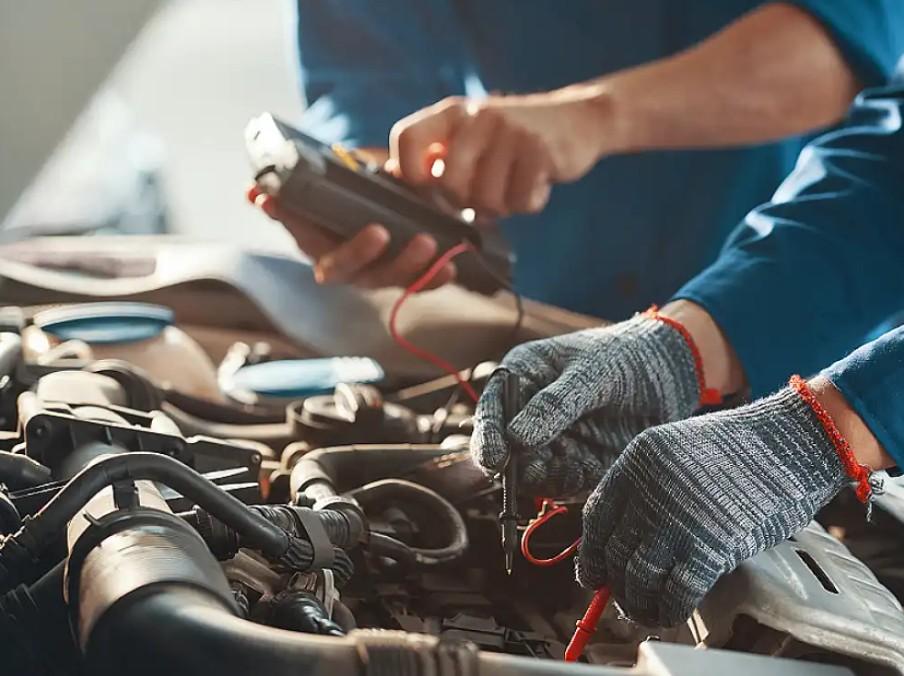
Hybrid vehicles are designed to maximize efficiency by intelligently switching between electric power and the internal combustion engine. Many drivers, however, notice that during winter the petrol or diesel engine seems to run far more often than it does in warmer seasons. This change can be surprising and sometimes concerning, especially for owners who expect hybrids to rely heavily on electric mode. In reality, colder weather directly affects how hybrid systems operate. Understanding these changes not only reassures drivers but also highlights the importance of mechanical knowledge taught through a Car Mechanic Course, where seasonal performance factors are a key area of study.
Cold Temperatures and Battery Efficiency
One of the main reasons a hybrid engine runs more frequently in winter is reduced battery efficiency. Hybrid batteries perform best within a moderate temperature range. Cold weather slows the chemical reactions inside the battery cells, reducing their ability to deliver and store energy effectively. As a result, the vehicle relies more on the internal combustion engine to compensate for this reduced electric output. The engine not only propels the car but also helps recharge the battery. From a mechanical perspective, understanding battery behavior in cold conditions is essential, a topic explored in depth in a Car Mechanic Course, particularly when diagnosing seasonal efficiency complaints.
Increased Engine Use for Cabin Heating
Unlike conventional cars that use waste heat from the engine for cabin heating, many hybrids need the engine to run specifically to generate warmth. In winter, drivers often use the heater more frequently and at higher settings. This demand forces the engine to switch on, even during low-speed driving where electric-only operation would normally be possible. Some hybrid systems prioritize passenger comfort and safety over fuel efficiency during cold conditions. Mechanics trained through a Car Mechanic Course learn how heating systems interact with hybrid drivetrains, helping them explain to customers why winter driving changes vehicle behavior.
Engine Warm-Up Requirements in Winter
Hybrid engines still require proper warm-up to operate efficiently and reduce emissions. In cold weather, the engine takes longer to reach optimal operating temperature. During this warm-up phase, the engine may remain running even when the vehicle is stationary or moving slowly. This is particularly noticeable during short journeys, where the engine barely has time to shut off before the trip ends. From a diagnostic standpoint, mechanics trained via a Car Mechanic Course understand that this behavior is normal and not necessarily a fault, preventing unnecessary repairs or customer concern.
Defrosting and Safety System Demands
Winter driving conditions increase reliance on safety-related systems such as windscreen defrosting and demisting. These systems often require significant electrical power and, in many hybrids, trigger engine operation to support electrical loads. The engine ensures that critical systems function reliably, especially in freezing or foggy conditions. Additionally, traction control and stability systems may engage more frequently on slippery roads, increasing overall energy demand. Learning how these systems interact is part of the practical knowledge gained in a Car Mechanic Course, where vehicle safety and system integration are core learning areas.
Shorter Trips and Reduced Regenerative Braking
Winter driving often involves shorter trips, particularly in urban environments. Short journeys limit the effectiveness of regenerative braking, which is one of the primary ways hybrids recharge their batteries. Cold brake components and cautious driving styles can further reduce regenerative efficiency. When the battery does not recover enough charge through braking, the engine compensates by running more often. Mechanics with training from a Car Mechanic Course are taught to evaluate driving patterns alongside mechanical systems, helping them explain how lifestyle and seasonal habits affect hybrid performance.
Engine Protection and Longevity Strategies
Hybrid systems are programmed to protect engine and battery components during extreme conditions. In winter, the engine may run more frequently to maintain lubrication, prevent condensation buildup, and protect emissions control components. These strategies are built into the vehicle's software to ensure long-term reliability. While it may seem inefficient in the short term, this behavior helps prevent costly damage. Understanding these protective strategies is a key learning outcome in a Car Mechanic Course, where students are taught to interpret manufacturer design choices rather than view them as inefficiencies.
Tire Resistance and Winter Driving Conditions
Cold temperatures increase tire rolling resistance, particularly if winter tires are fitted. Snow, ice, and wet roads also demand more power to maintain traction and stability. As overall energy demand rises, the hybrid system relies more on the engine to meet performance requirements. This increased load reduces opportunities for electric-only driving. The Car Mechanic Course covers how external factors like tires, road conditions, and temperature influence drivetrain behavior, enabling mechanics to provide accurate advice during winter service checks.
When Increased Engine Use Could Indicate a Problem
While more frequent engine operation in winter is usually normal, there are situations where it may signal an issue. Faulty temperature sensors, weak hybrid batteries, or software problems can exaggerate engine usage beyond expected levels. Professional assessment is essential to distinguish normal seasonal behavior from genuine faults. Mechanics trained through a Car Mechanic Course learn diagnostic techniques to identify abnormal patterns, ensuring issues are addressed before they affect efficiency or reliability.
Understanding Winter Behavior Builds Confidence
For hybrid owners, recognizing why the engine runs more often in winter can ease concerns and prevent unnecessary repairs. Seasonal changes affect every vehicle, but hybrids respond in more noticeable ways due to their complex systems. Education and professional insight are key to maintaining trust in the technology. For those interested in understanding these systems at a deeper level, the Car Mechanic Course provides the technical foundation needed to diagnose, explain, and maintain modern hybrid vehicles confidently throughout the year.

 English
 Magyar
 Arabic
 French
 Spanish
 Deutsch
 Turkish
 Dutch
Dutch
 Italiano
 Russian
 Romaian
 Portuguese (Brazil)
 Greek
Greek