
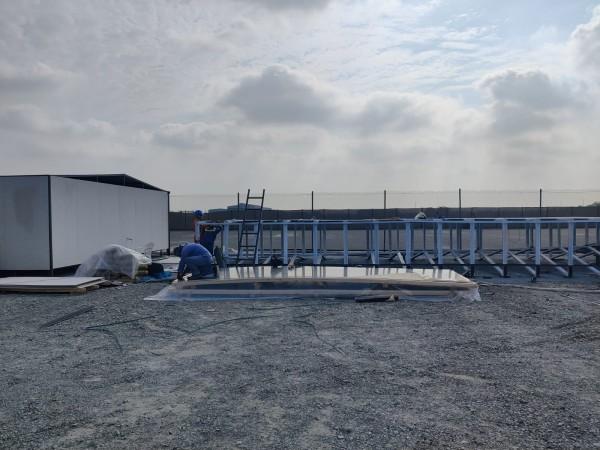
The demand for efficient and reliable heavy cargo transportation has increased significantly as global trade and infrastructure development continue to expand. Barges are a crucial part of this system, especially for inland waterways and coastal transport. Today, major advancements are taking place in aluminum barge construction, changing how heavy cargo is moved across water. Modern aluminum barge builders are focusing on lighter structures, improved durability, and better fuel efficiency to meet the evolving needs of the marine logistics industry.
The Shift Toward Aluminum in Barge Construction
For decades, steel was the primary material used in barge construction. While strong, steel comes with disadvantages such as heavy weight, high maintenance, and corrosion issues. Aluminum has emerged as a superior alternative due to its lightweight nature and natural resistance to corrosion. Aluminum weighs nearly one-third of steel, which significantly reduces the overall vessel weight without compromising structural strength.
This reduction in weight directly impacts vessel performance. Lighter barges require less power to operate, allowing them to move efficiently even when transporting heavy loads. This advancement has made aluminum barges increasingly popular for both commercial and industrial cargo transport.
Fuel Efficiency and Cost Benefits
Fuel consumption is one of the largest operational expenses in marine transportation. Aluminum barges offer a major advantage in this area. Because of their reduced weight, they consume less fuel compared to traditional steel barges. In many operational scenarios, fuel savings can reach 15–20%, leading to lower overall operating costs.
Lower fuel usage also results in reduced carbon emissions, helping operators meet environmental regulations. As sustainability becomes a priority across the maritime industry, aluminum barges provide a practical solution that balances performance with environmental responsibility.
Higher Payload Capacity for Heavy Cargo
One of the most important benefits of aluminum barge construction is increased payload capacity. Since the hull itself is lighter, more of the vessel’s displacement can be allocated to cargo. This allows operators to transport heavier goods without increasing vessel size or draft.
Industries such as construction, mining, and energy rely heavily on the movement of oversized and heavy materials. Aluminum barges support these operations by enabling fewer trips and faster delivery schedules. This efficiency reduces fuel usage, labor costs, and port congestion, making aluminum barges an effective solution for modern logistics.
Durability and Reduced Maintenance
Maintenance plays a critical role in the long-term cost of operating barges. Steel vessels are highly susceptible to corrosion, requiring frequent inspections, repainting, and structural repairs. Aluminum, on the other hand, forms a natural oxide layer that protects it from rust and environmental damage.
As a result, aluminum barges require significantly less maintenance and experience less downtime. Many aluminum barges remain operational for 30 years or more, offering long-term reliability. This durability makes aluminum an attractive material choice for operators seeking lower lifecycle costs.
Advanced Design and Engineering Innovations
Advancements in aluminum barge building are not limited to material selection alone. Modern construction techniques, such as computer-aided design and precision welding, allow engineers to optimize hull shapes and internal structures. These innovations improve stability, strength, and safety while maintaining a lightweight profile.
Aluminum also allows greater flexibility in vessel design. Builders can customize barges for specific cargo requirements, including reinforced decks, modular layouts, and specialized cargo handling systems. This adaptability is especially valuable in heavy cargo transport, where load characteristics can vary widely.
Environmental Sustainability and Recycling
Environmental concerns are reshaping the marine industry, and aluminum barges contribute positively to sustainability goals. Reduced fuel consumption lowers greenhouse gas emissions, while aluminum’s recyclability supports circular economy practices.
At the end of a barge’s service life, aluminum can be recycled without losing its core properties. This reduces waste and minimizes the environmental impact of vessel construction. These sustainability advantages are driving increased interest among aluminium barge manufacturers aiming to align with global environmental standards.
Growing Demand in the UAE and Regional Markets
The Middle East, particularly the UAE, is witnessing rapid growth in infrastructure and maritime trade. Water transport plays an important role in supporting construction projects, offshore activities, and industrial supply chains. As a result, the demand for efficient barges is rising, leading to increased interest in specialized barge builders in UAE who focus on modern aluminum solutions.
Aluminum barges are well suited for regional conditions, offering durability in harsh marine environments and efficiency in shallow or restricted waterways.
Role of VU Marine in Modern Barge Construction
Among industry participants, VU Marine is known for its focus on advanced aluminum barge construction techniques. By using marine-grade aluminum and modern fabrication methods, VU Marine develops barges that deliver strength, efficiency, and long-term performance for heavy cargo transport.
Their approach reflects the industry’s broader movement toward lightweight, fuel-efficient, and environmentally responsible vessels designed for demanding operational conditions.
Conclusion
Advancements in aluminum barge building are redefining heavy cargo transport across inland and coastal waterways. From improved fuel efficiency and higher payload capacity to reduced maintenance and enhanced sustainability, aluminum barges offer clear advantages over traditional designs. As logistics demands grow, choosing the right barge building company becomes essential for long-term operational success. With ongoing innovation and experienced builders like VU Marine, aluminum barges are set to play a vital role in the future of marine transportation.

 English
 Arabic
 French
 Spanish
 Portuguese
 Deutsch
 Turkish
 Dutch
Dutch
 Italiano
 Russian
 Romaian
 Portuguese (Brazil)
 Greek
Greek