
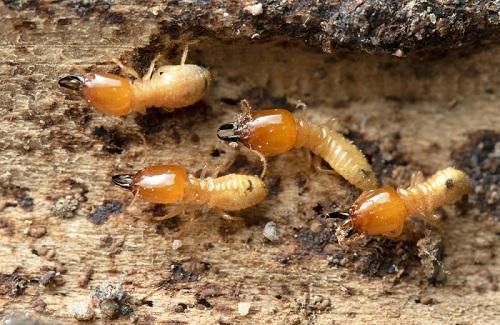
As awareness of environmental sustainability grows, many homeowners are seeking pest control solutions that are both effective and environmentally responsible. Termites, often referred to as “silent destroyers,” pose a serious threat to homes, causing extensive structural damage if left untreated. Traditionally, termite control relied heavily on chemical treatments, but modern advancements now offer eco-friendly termite treatment options that work without compromising safety or effectiveness. This article explores environmentally conscious termite control methods, how they work, and why they are a smart choice for long-term home protection.
Why Choose Eco-Friendly Termite Treatment?
Eco-friendly termite treatments are designed to minimise environmental impact while still effectively controlling termite infestations. These treatments focus on targeted application, reduced chemical use, and long-term prevention rather than widespread pesticide exposure.
Key benefits include:
-
Reduced risk to humans, pets, and wildlife
-
Minimal impact on soil and groundwater
-
Sustainable, long-term protection
-
Safe for use around families and sensitive environments
For homes in termite-prone regions, eco-friendly solutions provide peace of mind without sacrificing effectiveness.
Understanding Termite Behaviour
To understand how eco-friendly termite treatments work, it’s important to understand termite behaviour. Termites feed on cellulose found in wood and plant materials. Subterranean termites live in soil and access buildings through foundations, while drywood termites live inside timber structures. Successful treatment strategies focus on interrupting termite access, food sources, or colony survival.
Eco-friendly methods often target the entire termite colony, not just visible termites, ensuring long-term control.
Eco-Friendly Termite Treatment Options
1. Termite Baiting Systems
Termite baiting systems are one of the most effective and environmentally friendly termite treatment options available today. These systems use slow-acting bait made from cellulose combined with insect growth regulators.
How it works:
-
Bait stations are placed around the property
-
Termites feed on the bait and carry it back to the colony
-
The bait disrupts termite growth and reproduction
-
The colony gradually collapses over time
Why it’s eco-friendly:
-
Uses minimal active ingredients
-
Targets termites specifically
-
No soil saturation or widespread chemical application
Baiting systems also allow continuous monitoring, making them ideal for long-term termite management.
2. Borate-Based Wood Treatments
Borate treatments are naturally derived compounds that penetrate timber and make it toxic to termites while remaining low-toxicity to humans and animals.
How it works:
-
Borates soak into wood fibres
-
Termites ingest the borate while feeding
-
The compound disrupts their digestive system
Why it’s eco-friendly:
-
Low toxicity
-
Odourless and non-volatile
-
Safe for indoor use
Borate treatments are especially effective as a preventative measure, particularly during construction or renovations.
3. Physical Termite Barriers
Physical termite barriers provide chemical-free protection by blocking termite access to buildings. These barriers are typically installed during construction but can also be incorporated into some existing structures.
Common types include:
-
Stainless steel mesh
-
Termite-proof membranes
-
Graded sand barriers
Why it’s eco-friendly:
-
No chemicals or toxins involved
-
Long-lasting, often for the life of the building
-
Minimal maintenance
Physical barriers are highly effective when installed correctly and are best used as part of a comprehensive termite management strategy.
4. Heat Treatment for Drywood Termites
Heat treatment is a non-chemical method commonly used for drywood termite infestations. It involves raising the temperature of infested areas to levels lethal to termites.
How it works:
-
Specialised equipment heats targeted areas
-
Temperatures exceed what termites can survive
-
Termites and eggs are eliminated without chemicals
Why it’s eco-friendly:
-
No pesticides used
-
No residue left behind
-
Immediate results
Heat treatment is best suited for localized infestations and specific timber structures.
5. Integrated Pest Management (IPM)
Integrated Pest Management is a holistic approach that combines eco-friendly treatments with prevention and monitoring. IPM focuses on long-term solutions rather than short-term fixes.
IPM strategies include:
-
Regular inspections
-
Moisture control
-
Targeted eco-friendly treatments
-
Environmental modifications
Why it’s eco-friendly:
-
Reduces reliance on chemicals
-
Focuses on prevention
-
Adapts to changing conditions
IPM is widely regarded as one of the most sustainable and effective approaches to termite control.
Reducing Termite Risk Naturally
Eco-friendly termite treatment works best when combined with proactive prevention. Homeowners can significantly reduce termite risk by making simple environmental changes:
-
Fix leaking pipes and improve drainage
-
Ensure proper ventilation under floors and in crawl spaces
-
Keep timber, mulch, and firewood away from soil contact
-
Trim vegetation near foundations
-
Avoid landscaping that creates hidden termite access points
Reducing moisture and access points makes your home far less attractive to termites.
Are Eco-Friendly Treatments as Effective as Chemical Ones?
A common concern is whether eco-friendly termite treatments are as effective as traditional chemical methods. When applied correctly by professionals, many eco-friendly options are equally effective, especially for prevention and long-term management.
While some methods, such as baiting systems, may take longer to eliminate colonies, they offer sustained protection with minimal environmental impact. In many cases, a combination of eco-friendly treatments provides the best results.
Importance of Professional Application
Eco-friendly does not mean DIY. Professional expertise is essential to ensure correct placement, dosage, and monitoring. Licensed pest control specialists:
-
Identify termite species accurately
-
Select the most effective eco-friendly solution
-
Ensure treatments comply with safety standards
-
Provide ongoing monitoring and maintenance
Improper application can reduce effectiveness and allow infestations to persist.
Long-Term Benefits of Eco-Friendly Termite Treatment
Choosing environmentally responsible termite treatment provides benefits beyond pest control:
-
Protects soil and groundwater
-
Creates a healthier home environment
-
Reduces chemical exposure over time
-
Preserves property value
-
Supports sustainable living practices
For families, pets, and environmentally conscious homeowners, eco-friendly termite control is a practical and responsible choice.
Conclusion
Eco-friendly termite treatment options have evolved significantly and now offer effective, reliable solutions for protecting homes from termite damage. From baiting systems and borate wood treatments to physical barriers and integrated pest management, these methods provide long-term protection with minimal environmental impact.
While no single treatment suits every situation, combining eco-friendly options with professional inspections and preventative measures delivers the strongest defence against termites. For homeowners seeking sustainable, safe, and proven termite control, eco-friendly termite treatment is not just an alternative—it’s a smart investment in the health, safety, and longevity of their home.

 English
 Magyar
 Arabic
 Spanish
 Portuguese
 Deutsch
 Turkish
 Dutch
Dutch
 Italiano
 Russian
 Romaian
 Portuguese (Brazil)
 Greek
Greek