
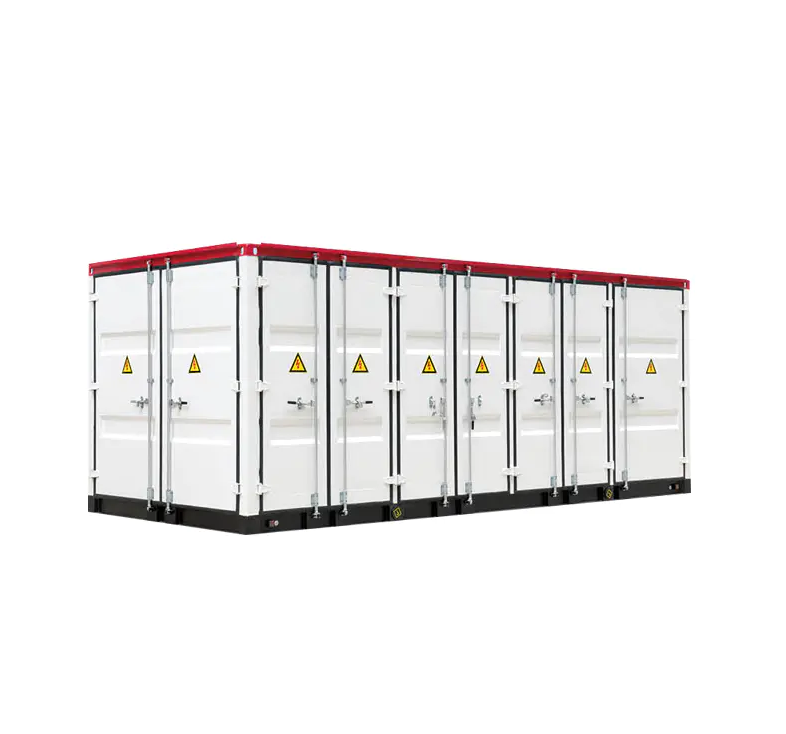
An Integrated Photovoltaic Inverter serves as a central coordination component in modern solar installations. An Integrated Photovoltaic Inverter manages power conversion while also supporting system control, monitoring, and communication functions.
In many installations, the inverter coordinates photovoltaic generation with battery storage. By managing charging and discharging cycles internally, the system reduces reliance on separate controllers. This integration supports smoother energy flow and simplifies electrical design.
Monitoring capabilities are another key feature. Integrated inverters collect operational data such as voltage, current, temperature, and energy yield at frequent intervals. This data allows operators to identify performance irregularities and respond more efficiently to system changes.
Grid interaction is also an important consideration. Integrated photovoltaic inverters are designed to support voltage regulation and reactive power control, helping maintain grid stability in areas with high solar penetration. Rather than disconnecting during minor disturbances, these inverters can adjust output parameters to support network operation.
From a layout perspective, integration reduces the number of individual devices installed on-site. This consolidation can simplify installation and reduce exposure of components to environmental conditions. Overall, an Integrated Photovoltaic Inverter supports coordinated operation across generation, storage, and grid interaction.

 Magyar
 Arabic
 French
 Spanish
 Portuguese
 Deutsch
 Turkish
 Dutch
Dutch
 Italiano
 Russian
 Romaian
 Portuguese (Brazil)
 Greek
Greek