
A car that sits silent in a driveway can still spark big ideas. Rusted panels, worn seats, and faded paint often hide strong frames, rare parts, and solid stories. In Australia, many car builds begin this way. What looks like junk to one owner becomes a dream project for another.
This idea shapes car culture across the country. Sheds, backyards, and workshops hold vehicles that once faced the wrecker. Today, they are being rebuilt with care, patience, and skill. This article explores why unwanted cars matter, how they gain new life, and why this mindset keeps growing.
The Meaning Behind a Junk Car
A junk car usually means a vehicle that no longer suits its owner. It may fail registration checks. It may need repairs that feel too heavy for daily use. Sometimes it is linked to memories that make letting go hard.
This does not mean the car has no future. Many parts last far longer than the owner expects. Engines can be rebuilt. Panels can be repaired. Interiors can be restored. Even when a car cannot return to the road, it can support other builds through parts.
In Australia, older models often draw strong interest. Local classics, Japanese imports, and early European cars all hold appeal. What matters is not the current state but the potential beneath the surface.
Why Builders Look for Unwanted Cars
Builders see things others miss. They notice chassis strength, engine layout, and part availability. They think about balance, weight, and design lines. A car that looks rough may still tick all the right boxes.
Common reasons builders seek these cars include:
-
Strong mechanical base
-
Rare or discontinued parts
-
Models with motorsport history
-
Body styles that suit custom work
-
Cars built before heavy electronic systems
Many project cars start with a low entry cost because owners want them gone. This opens the door for hobby builders who work over months or years.
The Role of Australian Car Culture
Australia has a long link with hands-on car work. From backyard engine swaps to track builds, the culture values effort and learning. Shows and meets across states celebrate cars that began as write-offs.
Utes, sedans, and coupes from past decades often form the heart of these builds. Japanese performance cars from the nineties also draw strong interest. Builders share progress online and at local events, which keeps the culture active.
This scene also supports small businesses. Parts suppliers, machine shops, paint specialists, and fabricators all play a role. A single saved car can support many trades along the way.
Environmental Impact of Reusing Cars
Keeping a car in use reduces waste. Manufacturing a new vehicle requires raw materials, transport, and energy. When an old car is reused or stripped for parts, fewer resources are needed.
Steel and aluminum from vehicles can be recycled many times. Parts like gearboxes, suspension arms, and wheels often outlast the body. Reuse lowers the amount of material sent to landfill.
This approach supports a more mindful way of owning cars. It does not aim to stop new production. It focuses on making full use of what already exists.
From Scrap to Project: The Usual Path
The journey from unwanted car to building follows a clear path.
Inspection and Planning
Builders inspect the car for rust, damage, and missing parts. They plan the end goal before work begins.
Strip Down
The car is stripped to its shell. Usable parts are cleaned and stored. Worn parts are set aside.
Repair and Fabrication
Rust repair, welding, and panel work take place. This stage sets the foundation.
Mechanical Work
Engines, brakes, and suspension are rebuilt or replaced. Safety remains the key focus.
Assembly and Finish
The car comes back together. Paint, trim, and tuning complete the build.
This process takes time. Many builds pause and restart. Patience matters more than speed.
When Letting Go Helps Someone Else Build
Not every owner wants to rebuild a car. Space, time, and cost all matter. Letting go can help another person start a project.
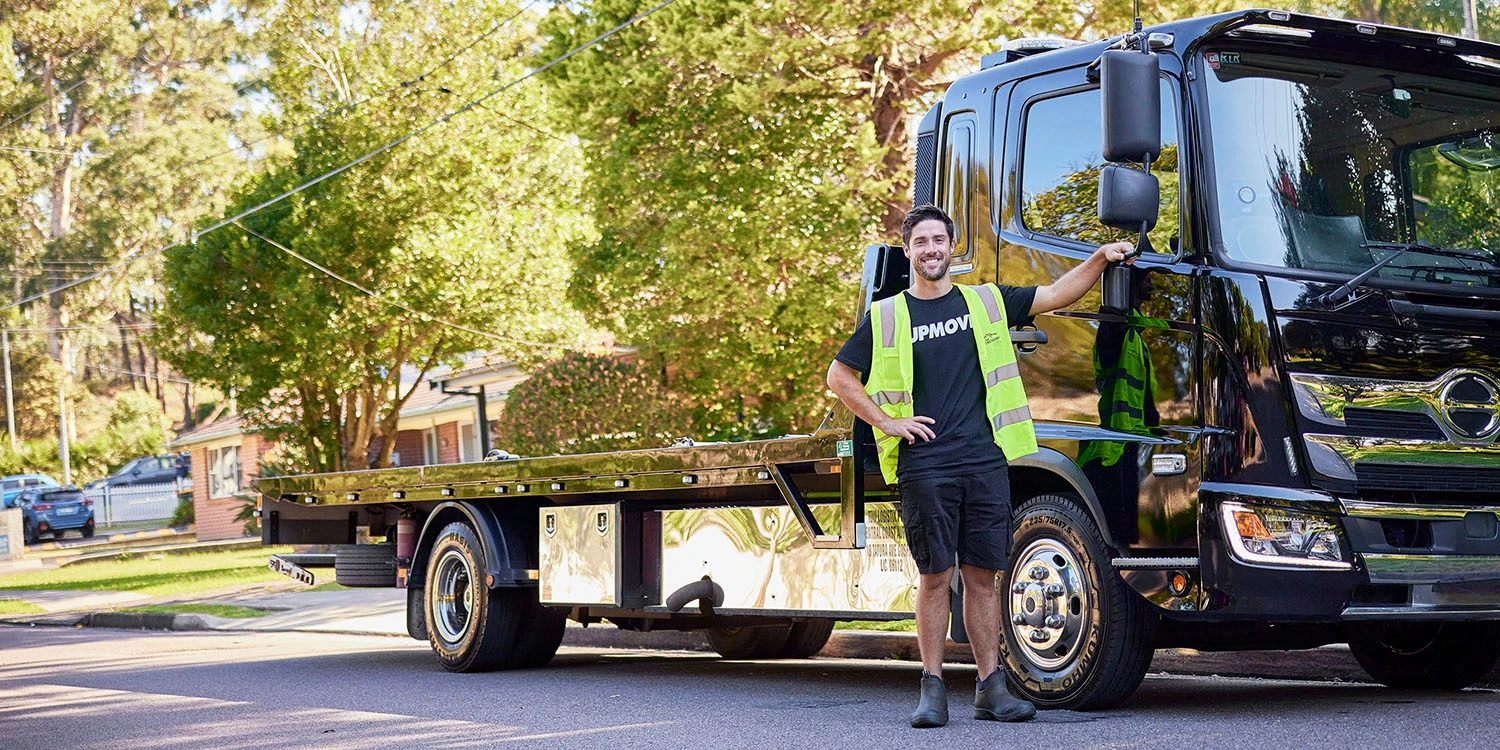
This is where removal services connect owners and builders. A car that no longer suits one life can move on to another purpose. In places like the Top End, searches for Car Removal Darwin often come from people who want a clear yard while knowing the car will not go to waste.
One local service, PS Car Removal , fits naturally into this cycle. They help move unwanted vehicles so parts and shells can find new homes. This keeps the flow of cars moving within the building community rather than ending their story too soon.
Legal and Practical Points in Australia
Car builds must meet road rules. Each state has its own checks for registration. These often cover brakes, lighting, emissions, and structural changes.
Builders should check local guidelines before starting major work. Engine swaps, suspension changes, and body mods often need approval. Planning early avoids delays later.
Storage also matters. Councils may have rules about unregistered vehicles on residential land. Knowing these rules helps builders and owners alike.
Stories Matter as Much as Steel
Many dream builds carry stories. The first car. The family sedan. A model linked to a past race or trip. Builders often aim to honor this history.
This emotional link adds meaning to the work. It turns metal and bolts into something personal. It also explains why people see promise where others see scrap.
Why This Mindset Keeps Growing
The idea that junk can become a dream build continues to grow for clear reasons.
-
Car culture values creativity
-
Parts reuse supports mindful ownership
-
Older cars offer strong mechanical layouts
-
Builders enjoy learning through hands-on work
Social media also plays a role. Build logs and videos to inspire others to start. A car once written off gains a second life on screen and on the road.
Final Thoughts
A junk car is not the end of the line. It is often the start of a new chapter. Across Australia, builders turn unwanted vehicles into personal projects that reflect skill, patience, and passion.
When owners let go and builders step in, everyone plays a part. The road from scrap to dream build stays open, one car at a time.

 English
 Magyar
 Arabic
 French
 Spanish
 Portuguese
 Deutsch
 Turkish
 Dutch
Dutch
 Italiano
 Russian
 Romaian
 Portuguese (Brazil)