
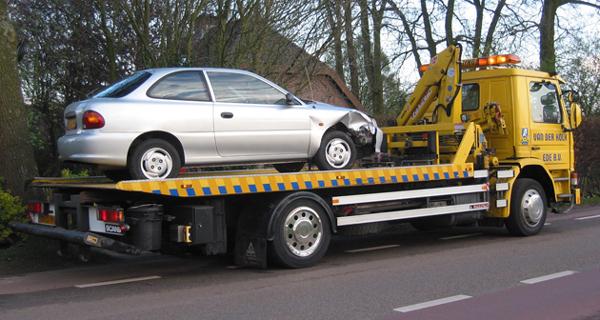
Cars pass through many hands during their life. Designers plan them. Factories build them. Drivers use them. Mechanics repair them. Scrap yards see them at the very end. This raises an interesting question. Do scrap yards know more about cars than the companies that make them?
This topic matters because knowledge shapes how cars are built, repaired, and recycled. Each group looks at vehicles from a different angle. Some see blueprints and test reports. Others see worn engines, broken gearboxes, and rusted frames. Both views carry weight.
This article explores what each side knows, how that knowledge forms, and where one view fills the gaps of the other.
What Car Manufacturers Know About Vehicles
Car manufacturers begin their work long before a car reaches the road. Their knowledge starts with research and planning.
Manufacturers study driver habits, safety rules, fuel needs, and emissions laws. Engineers design engines, gear systems, brakes, and electronics using computer models and test rigs. Before a car is sold, it goes through crash tests, climate tests, and long road trials.
They also collect data from dealerships and warranty claims. If a part fails within the warranty period, it gets logged. Patterns appear over time. This helps companies revise designs in later models.
Manufacturers also understand materials at a deep level. They choose steel grades, aluminium blends, and plastics based on strength, weight, and cost. They know how parts should perform under set conditions.
What they do not always see is how a car behaves after ten or fifteen years of daily use, poor servicing, or harsh driving.
What Scrap Yards Learn From End of Life Cars
Scrap yards meet cars when their working life is nearly over. These vehicles have faced years of heat, cold, dust, moisture, and rough roads. Many have missed services or used low grade parts.
Workers at scrap yards strip vehicles piece by piece. They see which engines seize, which gearboxes crack, and which body panels rust first. They notice patterns across brands and models.
For example, a scrap yard may see that a certain diesel engine often fails after a set number of kilometres. They may notice wiring issues in older hybrids or battery decay in early electric cars.
This knowledge comes from touch, sight, and repetition. It is not based on theory. It comes from thousands of real cars that reached the end of the road.
Design Intent Versus Real Use
Manufacturers design cars with a clear intent. A part may be built to last a certain time under set conditions. Real life does not always follow that plan.
Scrap yards see how parts cope with missed oil changes, heavy towing, short trips, and harsh weather. They also see the results of poor repairs and low quality replacement parts.
This gap between design intent and real use is where scrap yard insight grows strong. It shows how cars age, not how they should age.
Data Sources Are Very Different
Manufacturers rely on structured data. This includes lab results, sensor readings, and reports from service centres. The data is clean and measured.
Scrap yards rely on visual checks and hands on work. There are no charts or spreadsheets on site. Knowledge builds through memory and discussion among workers.
Both data types matter. Lab data shows how parts perform in controlled settings. Yard data shows how parts fail in the real world.
Parts That Tell the Real Story
Some parts reveal more than others at the scrap stage.
Engines show wear patterns that point to oil quality and cooling issues. Suspension parts reveal how roads and loads affect metal fatigue. Body shells show where water traps cause rust.
Manufacturers know how these parts should wear. Scrap yards know how they actually wear.
This makes scrap yards a quiet source of long term vehicle truth.
Limits of Scrap Yard Knowledge
Scrap yards do not see the full picture. They only see cars that failed or were written off. They do not see vehicles that run well for decades and stay on the road.
They also do not track early design changes or software updates that fix issues in newer models. Their view is weighted toward problems, not success stories.
This means their knowledge is deep, but narrow.
Limits of Manufacturer Knowledge
Manufacturers also face limits. Once a car leaves warranty, feedback slows down. Owners may use independent mechanics or delay repairs.
Manufacturers also focus on new models. Lessons from older cars may not always guide new designs due to market pressure or rule changes.
This creates blind spots that only long term observation can fill.
Who Really Knows More?
The answer depends on the question being asked.
If the question is about how a car should work, manufacturers hold that knowledge. If the question is about how a car fails after years of use, scrap yards often know more.
One group builds the story from the start. The other reads the final chapter.
The most accurate understanding comes when both views are considered together.
The Australian Context
Australian driving conditions are tough. Long distances, high heat, coastal air, and dusty roads all shape vehicle wear.
Scrap yards across Australia see these effects clearly. Heat damaged interiors, faded paint, and cracked hoses appear often.
This local insight reflects how cars cope in real Australian conditions, not just global test settings.
A Logical Look at Vehicle Removal and End of Life
When a car reaches the point where repairs no longer make sense, owners look for a responsible way to clear it from their property. This is where services such as Melbourne Cash for Carz fit into the wider story of vehicle life cycles. Cars collected through Car Removal Melbourne processes often end up at scrap yards, where their parts and materials are assessed, reused, or recycled. This final step connects daily driving reality with the deep knowledge scrap yards build over time, helping reduce waste and return valuable metals back into use.
Final Thoughts
Scrap yards and manufacturers do not compete in knowledge. They complete it.
Manufacturers understand how cars are planned, tested, and built. Scrap yards understand how cars age, fail, and end their journey.
When these insights are viewed together, a fuller picture of vehicle life appears. That picture helps builders design stronger cars and helps owners understand what really happens over time.
In the end, cars tell their story twice. Once at birth in the factory, and once at rest in the yard.

 English
 Magyar
 Arabic
 French
 Spanish
 Deutsch
 Turkish
 Dutch
Dutch
 Italiano
 Russian
 Romaian
 Portuguese (Brazil)
 Greek
Greek