
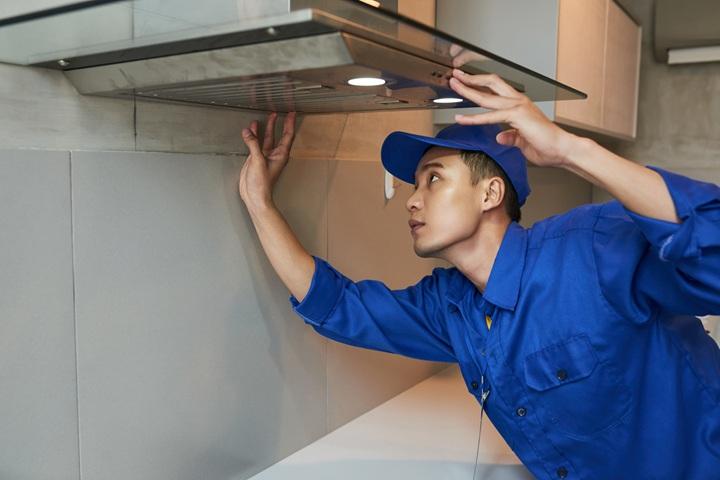
An HVAC system plays a critical role in maintaining the comfort of your home. From keeping the temperature just right to ensuring good air quality, the installation of an HVAC system is a key investment for your home. Whether you are building a new home or replacing an old system, proper HVAC installation is essential for optimal performance. In this article, we'll guide you through everything you need to know about HVAC installation, from choosing the right system to what to expect during the installation process.
Why HVAC Installation Matters
When it comes to home comfort, nothing is more important than having a properly installed HVAC system. HVAC stands for Heating, Ventilation, and Air Conditioning. These systems regulate the temperature and airflow within your home, keeping it warm in the winter and cool in the summer. But HVAC systems don't just control temperature; they also play a crucial role in air quality and energy efficiency.
A professionally installed HVAC system ensures that each component works efficiently, reducing energy consumption and minimizing repair costs. A system that's improperly installed can lead to uneven temperatures, poor airflow, and higher energy bills. Poor installation may also result in frequent breakdowns, making the system less reliable and more expensive to maintain in the long run.
Factors to Consider Before Installing an HVAC System
Before installing an HVAC system, it is important to consider several factors to ensure you choose the right system for your home.
1. Home Size and Layout
The size and layout of your home are the most important factors when selecting an HVAC system. An undersized unit will struggle to cool or heat your home effectively, while an oversized unit will consume more energy than necessary and result in higher costs. To determine the right size system, HVAC professionals will perform a load calculation based on your home's square footage, insulation levels, number of windows, and other factors.
2. Energy Efficiency
Energy-efficient HVAC systems are designed to save you money over time by using less energy while still providing optimal comfort. Look for systems with high Seasonal Energy Efficiency Ratio (SEER) ratings, which indicate how efficiently the system uses energy for cooling. Additionally, Energy Star-rated systems are designed to meet strict energy efficiency standards and can help you reduce your monthly utility bills.
3. System Type
There are different types of HVAC systems to choose from, and your choice will depend on your home’s needs and your budget. Some common types of HVAC systems include:
-
Split Systems: These are the most common type of HVAC system and include separate units for heating and cooling.
-
Packaged Systems: These systems combine heating and cooling in a single unit and are typically installed outside the home.
-
Ductless Mini-Split Systems: These systems are ideal for homes without ductwork and provide both heating and cooling for individual rooms or zones.
-
Heat Pumps: Heat pumps are versatile systems that can provide both heating and cooling and are more energy-efficient than traditional heating systems.
4. Indoor Air Quality Features
In addition to regulating temperature, many HVAC systems now come with features that improve indoor air quality. Consider systems with air filtration, UV light purification, or humidity control to help reduce allergens, dust, and other pollutants. This can be especially beneficial if you or your family members have allergies or respiratory conditions.
The HVAC Installation Process
HVAC installation is a complex process that requires the expertise of a trained professional. The installation process typically includes several stages, each essential to ensuring that the system functions properly and efficiently.
1. Initial Consultation and System Selection
The first step in HVAC installation is to consult with a professional HVAC contractor. During this consultation, the contractor will assess your home’s size, layout, insulation, and any existing HVAC system. They will then recommend an HVAC system based on your needs and budget. The contractor will also discuss the benefits of each system type, including energy efficiency and air quality features.
2. Pre-Installation Preparations
Before the installation begins, the contractor will ensure that all necessary permits are in place. They will also assess whether any modifications are needed to your home, such as installing new ductwork, adjusting electrical wiring, or making space for the HVAC unit. If your home already has a system, the old unit may need to be removed and disposed of.
3. System Installation
The installation itself typically takes one to two days, depending on the complexity of the system. The HVAC unit, ductwork, vents, and other components will be installed according to the manufacturer's specifications. The installation process involves connecting the system to your home's electrical and duct systems, ensuring that everything is securely in place and operating correctly.
4. System Testing
Once the system is installed, the technician will test it to make sure it is working properly. This involves checking for leaks in the ducts, ensuring that the thermostat is calibrated correctly, and verifying that airflow is adequate. The technician will also check that the system is heating and cooling as expected and that it is operating at optimal efficiency.
5. Post-Installation Review
After installation and testing, the technician will review the system's operation with you. They will explain how to operate your new HVAC system, including setting the thermostat and scheduling regular maintenance. They will also provide instructions for changing filters, cleaning the system, and other routine tasks that can help prolong the life of the system.
Choosing the Right HVAC Installation Contractor
Choosing a professional HVAC installation contractor is crucial for ensuring that your system is installed correctly. Here are some tips for selecting a reliable contractor:
-
Check credentials : Make sure the contractor is licensed and insured. This ensures that they meet industry standards and are qualified to perform the installation.
-
Read reviews : Look for customer reviews or testimonials to gauge the contractor's reputation.
-
Get multiple quotes : It's a good idea to get quotes from several contractors to compare prices and services. However, beware of low bids, as they may indicate subpar work.
-
Ask about warranties : Ensure that the contractor offers a warranty for both the HVAC system and the installation itself.
Conclusion
Proper HVAC installation is essential for maintaining a comfortable, energy-efficient home. Whether you're replacing an old system or installing a new one, it's important to choose the right system, hire a professional contractor, and ensure that the installation process is done correctly. By doing so, you can enjoy reliable heating, cooling, and improved indoor air quality for years to come. Make sure to schedule regular maintenance and take care of your HVAC system to ensure its longevity and efficiency.

 English
 Magyar
 Arabic
 Spanish
 Portuguese
 Deutsch
 Turkish
 Dutch
Dutch
 Italiano
 Russian
 Romaian
 Portuguese (Brazil)
 Greek
Greek