
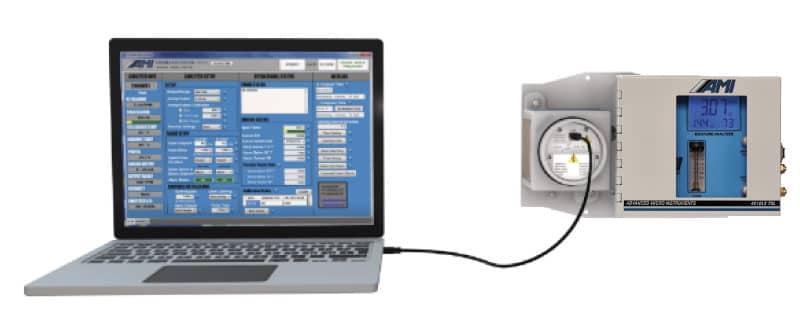
Accurate moisture measurement is critical in many modern industries where even the smallest amount of water can affect product quality, safety, and performance. From pharmaceuticals and petrochemicals to power generation and gas processing, controlling trace levels of moisture is essential. This is where advanced analytical instruments play a vital role. Among these tools, the Trace Moisture Analyzer stands out as a highly reliable solution for detecting extremely low moisture concentrations in gases and liquids.
Understanding how this technology works, where it is used, and why it matters can help industries improve efficiency, reduce risk, and maintain compliance with strict quality standards. This article explores the working principles, applications, benefits, and selection criteria of trace moisture analysis systems in detail.
Understanding Trace Moisture Measurement
Moisture is present in almost every industrial process, often in quantities too small to be detected by standard humidity sensors. These trace levels, measured in parts per million (ppm) or parts per billion (ppb), can still cause corrosion, chemical reactions, insulation failure, or contamination. Measuring such low concentrations requires specialized equipment designed for precision and stability.
The Trace Moisture Analyzer is specifically engineered to detect and quantify very small amounts of water vapor or dissolved moisture. Unlike conventional hygrometers, these analyzers are optimized for high sensitivity, fast response time, and long-term accuracy under demanding industrial conditions.
How a Trace Moisture Analyzer Works
The operating principle of a trace moisture analyzer depends on the sensor technology used. Common sensing methods include aluminum oxide sensors, quartz crystal microbalance sensors, and electrolytic sensors. Each technology reacts to the presence of moisture in a controlled and measurable way.
In most systems, the sample gas or liquid passes over a sensitive sensor surface. Moisture interacts with the sensor material, causing a measurable change in electrical properties such as capacitance, resistance, or frequency. This change is then processed by the analyzer and converted into an accurate moisture reading.
The Trace Moisture Analyzer is carefully calibrated to ensure reliable results even at extremely low moisture levels. Advanced models also include temperature compensation, digital signal processing, and automated diagnostics to maintain performance over time.
Key Industrial Applications
Trace moisture analysis is critical across a wide range of industries. In the natural gas sector, moisture must be controlled to prevent pipeline corrosion and hydrate formation. Even minimal water content can lead to blockages and safety risks. Accurate measurement ensures compliance with transport and storage standards.
In the pharmaceutical and chemical industries, moisture can impact product stability and reaction outcomes. Precise monitoring helps maintain batch consistency and regulatory compliance. Semiconductor manufacturing also relies heavily on ultra-dry environments, where moisture can damage sensitive components.
The Trace Moisture Analyzer is also widely used in power plants, compressed air systems, and hydrogen production facilities. In these environments, excess moisture can reduce efficiency, damage equipment, and increase maintenance costs.
Benefits of Using a Trace Moisture Analyzer
One of the main advantages of using a trace moisture analyzer is improved process control. By continuously monitoring moisture levels, operators can quickly identify deviations and take corrective action before problems occur. This leads to increased reliability and reduced downtime.
Another key benefit is enhanced product quality. Maintaining optimal moisture levels ensures that materials and products meet strict specifications. This is especially important in industries where moisture sensitivity directly affects performance or safety.
Using a Trace Moisture Analyzer also helps reduce operational costs. Early detection of moisture-related issues prevents corrosion, equipment failure, and waste. Over time, this proactive approach leads to significant savings and improved asset lifespan.
Importance of Accuracy and Calibration
Accuracy is the cornerstone of trace moisture measurement. Even minor measurement errors can lead to incorrect decisions and costly consequences. High-quality analyzers are designed with stable sensors and robust electronics to ensure consistent readings.
Regular calibration is essential to maintain accuracy. Many modern systems offer easy calibration procedures and built-in verification features. Some advanced models even provide self-diagnostic alerts when recalibration is required.
A Trace Moisture Analyser that is properly calibrated delivers confidence in measurement data, allowing industries to meet quality standards and regulatory requirements without uncertainty.
Selecting the Right Trace Moisture Analyser
Choosing the right analyzer depends on several factors, including application type, measurement range, environmental conditions, and required accuracy. Some industries require ultra-low detection limits, while others prioritize fast response times or rugged construction.
It is important to consider whether the analyzer will be used for gases or liquids, as sensor compatibility varies. Installation requirements, such as inline or portable configurations, should also be evaluated.
A reliable Trace Moisture Analyser should offer long-term stability, minimal maintenance, and strong manufacturer support. Investing in the right system ensures dependable performance and long-term value.
Installation and Maintenance Considerations
Proper installation plays a crucial role in achieving accurate results. Sample lines should be clean, leak-free, and made of moisture-resistant materials. Poor installation can introduce contamination and compromise measurements.
Maintenance requirements vary by sensor type. Some analyzers require periodic sensor replacement, while others offer extended sensor life with minimal intervention. Routine inspections and proper handling help maintain consistent performance.
When maintained correctly, a Trace Moisture Analyser can operate reliably for years, providing continuous insight into moisture levels across critical processes.
Future Trends in Trace Moisture Analysis
As industries move toward automation and digitalization, moisture analysis technology continues to evolve. Modern analyzers now integrate with control systems, enabling real-time monitoring and remote diagnostics. Data logging and connectivity features support predictive maintenance strategies.
Advances in sensor materials and signal processing are also improving detection limits and response times. These innovations make trace moisture analysis more efficient, accurate, and user-friendly.
The role of the Trace Moisture Analyser is expected to grow as industries demand higher precision, tighter quality control, and smarter process management.
Conclusion
Moisture may seem insignificant at trace levels, but its impact on industrial processes can be substantial. Accurate detection and control are essential for maintaining safety, efficiency, and product quality across multiple sectors. With advanced sensor technology and robust design, trace moisture analysis systems provide the precision required in today's demanding environments.
A well-chosen Trace Moisture Analyzer enables industries to monitor critical processes, prevent costly damage, and comply with strict standards. By understanding its functionality, applications, and benefits, businesses can make informed decisions that enhance performance and reliability in the long term.

 English
 Magyar
 Arabic
 French
 Spanish
 Portuguese
 Deutsch
 Turkish
 Dutch
Dutch
 Russian
 Romaian
 Portuguese (Brazil)
 Greek
Greek