
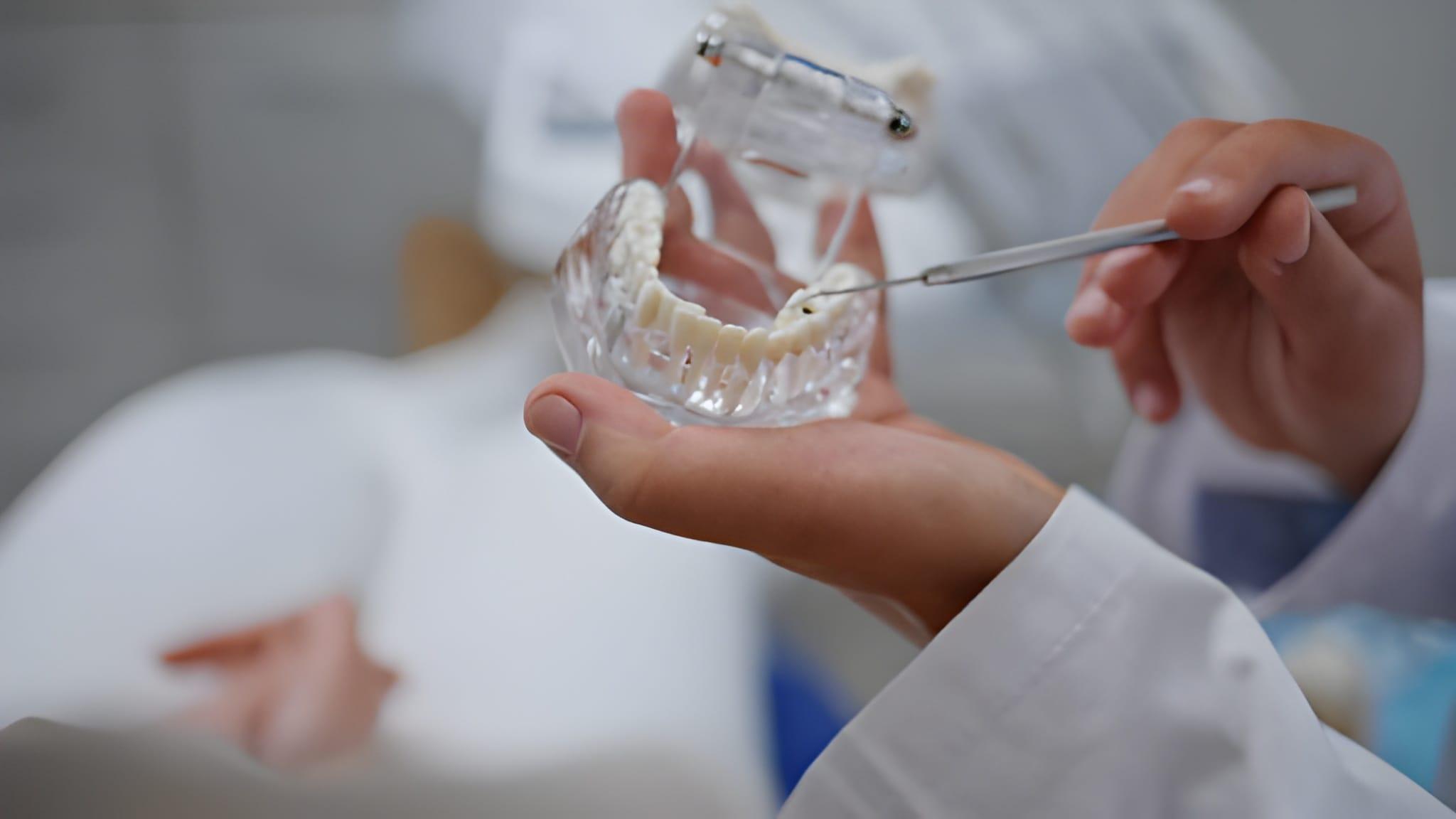
Studying dentistry abroad has become an increasingly popular choice for students seeking high-quality education, global exposure, and strong career prospects. With advanced facilities, internationally recognised degrees, and diverse clinical training opportunities, dentistry study abroad opens doors to a truly global dental career. However, along with exciting opportunities come certain challenges and lifestyle adjustments that students should be prepared for.
Opportunities in Dentistry Study Abroad
One of the biggest advantages of studying dentistry overseas is access to world-class education. Many countries offer cutting-edge dental programs with modern laboratories, advanced technology, and strong clinical exposure. Universities abroad often focus on practical, hands-on training, helping students develop strong clinical skills from an early stage of their education.
Another key opportunity is international recognition. Dental degrees from countries such as the UK, Australia, Canada, the USA, and parts of Europe are globally respected. Graduates often have better chances of working internationally or pursuing postgraduate specialisations. Studying abroad also exposes students to different healthcare systems, treatment protocols, and patient management styles, making them more adaptable and confident professionals.
Research and specialisation opportunities are another major benefit. Many universities abroad actively encourage students to participate in research, conferences, and academic publications. This can be especially valuable for students interested in orthodontics, oral surgery, prosthodontics, or cosmetic dentistry.
Top Destinations to Study Dentistry Abroad
Popular destinations for dentistry study abroad include the UK, Australia, New Zealand, the USA, Canada, Ireland, Germany, and Eastern European countries such as Hungary and Poland. These countries are known for strong academic standards, modern dental infrastructure, and internationally accredited programs.
Some students also choose countries like Georgia, Ukraine, or Malaysia due to more affordable tuition fees and simpler admission processes. Choosing the right destination depends on budget, academic background, language requirements, and long-term career goals.
Challenges of Studying Dentistry Abroad
Despite the many advantages, studying dentistry overseas comes with challenges. One of the biggest concerns is cost. Tuition fees for dental programs abroad can be high, especially in countries like the USA and UK. In addition to tuition, students must consider living expenses, health insurance, and equipment costs.
Another challenge is the admission process. Dental programs are highly competitive, and many universities require entrance exams, language proficiency tests, or interviews. Some countries also have strict visa requirements and documentation processes that require careful planning.
Cultural adjustment can also be challenging. Living in a new country means adapting to different teaching styles, social norms, and healthcare practices. Language barriers, homesickness, and academic pressure are common during the initial months but often improve with time and support.
Student Life While Studying Dentistry Abroad
Student life is one of the most rewarding aspects of dentistry study abroad. Universities often offer a vibrant campus environment with student societies, cultural events, and professional workshops. Dental students can participate in academic clubs, volunteer dental camps, and international conferences, enriching both their personal and professional lives.
Living abroad also allows students to experience new cultures, cuisines, and lifestyles. Balancing academic responsibilities with social life is important, as dental programs can be demanding. Time management, self-discipline, and strong support networks play a key role in maintaining a healthy student life.
Part-time work opportunities may be available in some countries, helping students manage living expenses and gain work experience. However, students should always check visa regulations before seeking employment.
Career Prospects After Dentistry Study Abroad
Graduates of dentistry programs abroad have multiple career pathways. They may return to their home country after completing licensing requirements, pursue postgraduate studies, or seek employment in the country where they studied. Many graduates also choose to work in research, public health, or academia.
Understanding licensing exams and recognition requirements is crucial, as dental qualifications are regulated differently in each country. Early planning can help students make informed decisions and avoid delays in their professional journey.
Final Thoughts
Dentistry study abroad offers a unique blend of academic excellence, global exposure, and personal growth. While challenges such as cost and cultural adaptation exist, the long-term benefits often outweigh the difficulties. With careful planning, research, and determination, studying dentistry in Croatia can be a life-changing step toward a successful and rewarding dental career.

 English
 Magyar
 Arabic
 French
 Spanish
 Portuguese
 Deutsch
 Turkish
 Dutch
Dutch
 Italiano
 Romaian
 Portuguese (Brazil)
 Greek
Greek