
The construction industry across the UAE has grown rapidly over the last decade. From high-rise residential towers and luxury hotels in Dubai to large hospitals, airports, retail malls, and industrial facilities in Abu Dhabi and Sharjah, projects are becoming larger and more complex. At the same time, deadlines are shorter, budgets are tighter, and clients expect flawless execution.
In this fast-paced environment, traditional coordination methods often struggle. Separate drawings from architects, structural engineers, and MEP consultants frequently lead to miscommunication, design conflicts, and costly site issues. These problems usually appear during construction, when fixing them is expensive and time-consuming.
To overcome these challenges, many contractors and consultants now rely on BIM Coordination Services. BIM coordination transforms how teams collaborate by integrating all disciplines into one digital environment. Instead of discovering problems on site, teams identify and solve them during the design phase.
For modern UAE construction projects, BIM coordination has become an essential process rather than an optional upgrade.
Understanding the Basics of BIM Coordination Services
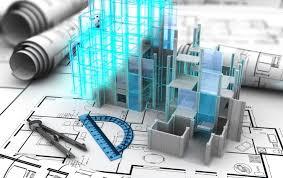
BIM Coordination Services involve combining architectural, structural, and MEP models into a single shared platform to ensure that all building systems fit and function together properly. BIM, which stands for Building Information Modeling, allows teams to create intelligent 3D models that include both geometry and detailed data.
Coordination specialists merge these models and analyze them using advanced tools to detect conflicts, inconsistencies, and constructability issues. The goal is to create a fully coordinated design before construction begins.
Instead of each discipline working separately with 2D drawings, everyone collaborates around one integrated model. This approach reduces confusion, improves accuracy, and helps projects run smoothly.
Why Coordination Matters More in Modern Construction
Today’s buildings are far more complex than those of the past. A single structure may include thousands of components such as beams, ducts, pipes, cables, ceilings, facades, and finishes. All these systems must occupy the same physical space without interfering with one another.
In traditional workflows, coordination often happens manually by reviewing drawings. This method is slow and prone to errors. Conflicts are easily missed and only discovered during construction.
When clashes occur on site, work stops. Teams must redesign and rebuild, leading to delays and increased costs. For large UAE developments, these disruptions can have a major financial impact.
BIM coordination addresses these risks by detecting problems digitally before construction begins.
What Do BIM Coordination Services Include
BIM Coordination Services cover a wide range of tasks that help ensure design alignment across disciplines. These services typically include model integration, clash detection, issue tracking, coordination meetings, constructability reviews, and documentation support.
Model integration involves merging architectural, structural, and MEP models into one environment. Clash detection tools then analyze the combined model to identify conflicts between systems. Coordination specialists review these issues and assign them to the responsible teams for resolution.
Regular meetings help stakeholders discuss solutions and update the model accordingly. Once resolved, the coordinated model becomes the foundation for construction documentation.
This structured process ensures that problems are solved early rather than during execution.
Early Clash Detection and Prevention
One of the biggest benefits of BIM coordination is clash detection. A clash occurs when two elements occupy the same space, such as a duct passing through a beam or a pipe interfering with a wall.
Without BIM, these conflicts are often discovered only after installation begins. Fixing them requires demolition, redesign, and reinstallation, which wastes time and money.
BIM software automatically identifies clashes in the digital model. Teams can see exactly where the conflict occurs and adjust designs accordingly.
This allows teams to:
• Eliminate conflicts before construction
• Reduce site modifications
• Avoid rework
• Save time and costs
Preventing problems early is always more efficient than correcting them later.
Improving Communication and Collaboration
Construction projects in the UAE often involve many stakeholders. Architects, engineers, contractors, subcontractors, and consultants must all work together. Poor communication between these groups frequently leads to errors.
BIM coordination improves collaboration by creating a shared workspace. Everyone works with the same updated model and has access to the same information.
This reduces misunderstandings and ensures that changes are communicated clearly. Teams no longer rely solely on emails or disconnected drawings.
Better collaboration leads to faster decisions and smoother workflows.
Enhancing Design Accuracy and Quality
Accuracy is essential for successful construction. Small measurement errors or missing details can create major issues during installation.
Because BIM models are data-driven, they provide higher precision than traditional drawings. Changes automatically update across all views, ensuring consistency throughout the project.
This improves overall design quality and reduces the chances of mistakes.
Higher accuracy means:
• Clearer documentation
• Fewer revisions
• Better site execution
• Improved project outcomes
For complex UAE projects, this reliability is crucial.
Supporting Faster Project Delivery
Time is one of the most valuable resources in construction. Delays can lead to penalties and lost opportunities.
BIM coordination helps projects move faster by resolving issues early and providing clear instructions to site teams. With fewer surprises during construction, workflows remain uninterrupted.
Contractors benefit from smoother installations and better scheduling.
Faster delivery not only saves costs but also enhances client satisfaction and reputation.
Cost Control Through Better Planning
Budget control is a constant concern for developers and contractors. Unexpected changes and rework can quickly increase expenses.
By detecting problems early and improving coordination, BIM reduces unnecessary spending. Accurate models also help generate reliable quantity take-offs, which support better procurement planning.
This allows teams to order materials more efficiently and avoid waste.
Better planning leads to stronger financial control and improved profitability.
Why Local Expertise Matters
While BIM tools are universal, local construction practices vary. UAE projects must comply with regional regulations, authority approvals, and specific building standards.
Working with experienced local coordination specialists ensures that models reflect real-world site conditions and regional requirements.
Collaborating with trusted professionals such as Engisoft Engineering provides added confidence. Their experience in UAE construction helps deliver coordinated models that are practical, compliant, and ready for execution.
Local knowledge combined with technical expertise results in more reliable outcomes.
Benefits for Contractors, Consultants, and Developers
BIM coordination benefits all stakeholders involved in construction. Contractors experience fewer delays and smoother installations. Consultants deliver more accurate designs. Developers receive projects on time and within budget.
Key advantages include reduced rework, improved communication, better quality control, and enhanced efficiency.
These benefits translate directly into stronger project performance and higher client satisfaction.
As a result, BIM coordination has become a preferred approach for modern developments across the UAE.
Final Thoughts
BIM Coordination Services have fundamentally changed how construction projects are planned and executed. By integrating all disciplines into one digital environment, BIM enables teams to detect conflicts early, improve collaboration, and deliver more accurate designs.
For the fast-growing and complex construction market in the UAE, these advantages are essential. Preventing clashes, reducing rework, and maintaining smooth workflows help projects stay on schedule and within budget.
Rather than reacting to problems during construction, BIM coordination allows teams to solve issues before they happen. This proactive approach saves time, reduces costs, and improves overall project quality.
As modern construction continues to evolve, BIM coordination will remain a cornerstone of successful project delivery across Dubai and the wider UAE.

 English
 Arabic
 French
 Spanish
 Portuguese
 Deutsch
 Turkish
 Dutch
Dutch
 Italiano
 Russian
 Romaian
 Portuguese (Brazil)
 Greek
Greek