
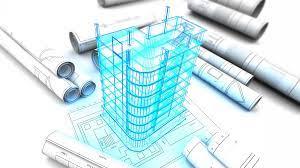
The construction industry in the UAE is known for its ambitious designs, tight timelines, and world-class developments. From record-breaking skyscrapers in Dubai to smart hospitals, airports, and mega residential communities across Abu Dhabi and Sharjah, projects today are more complex than ever before. While this rapid growth creates opportunity, it also introduces significant challenges.
Modern buildings contain thousands of interconnected components. Architectural features must align with structural systems, while mechanical, electrical, and plumbing services compete for limited space. Even a small miscalculation can lead to clashes, delays, and expensive rework.
In the past, many of these issues were only discovered on site. Contractors would stop work, redesign layouts, and reinstall materials, resulting in wasted time and increased costs. Today, the industry relies on Building Information Modeling to prevent such problems early.
However, BIM tools alone are not enough. Projects need someone to manage coordination, verify accuracy, and ensure every system works together seamlessly. That responsibility belongs to the BIM Coordinator.
For UAE construction projects, a skilled BIM Coordinator plays a direct role in improving project accuracy and reducing costly errors before they ever reach the site.
Understanding the Role of a BIM Coordinator
A BIM Coordinator is responsible for integrating models created by architects, structural engineers, and MEP consultants into one coordinated digital environment. Instead of separate drawings and isolated workflows, all disciplines collaborate through a single intelligent model.
Their primary objective is simple but powerful: ensure everything fits together correctly.
They review models, detect conflicts, manage updates, and maintain consistency across teams. By identifying issues early, they prevent mistakes that could otherwise disrupt construction.
Think of the BIM Coordinator as the quality controller of the digital design process. They ensure the model is not just visually accurate but technically buildable.
This proactive oversight dramatically improves reliability and precision.
Why Accuracy Matters More Than Ever in UAE Projects
Construction errors are expensive anywhere, but in the UAE, they can be especially costly. Projects often involve luxury finishes, complex engineering systems, and strict delivery schedules. Any delay can impact budgets and reputation.
For example, relocating a duct after installation may require dismantling ceilings, rewiring electrical systems, and reworking finishes. What could have been fixed digitally in minutes may cost thousands of dirhams on site.
Because many developments operate under fast-track schedules, mistakes also affect timelines.
Accuracy at the design stage becomes critical.
By ensuring models are correct from the start, BIM Coordinators help avoid these unnecessary risks.
Centralizing Multi-Discipline Coordination
One of the main sources of errors in construction is poor coordination between teams.
Architects design layouts, structural engineers design frames, and MEP consultants plan services. If each team works independently, inconsistencies are inevitable.
The BIM Coordinator centralizes all information into one environment. They combine every model into a shared workspace and check how systems interact.
This ensures that:
• Walls align with structural grids
• Services fit within ceilings
• Equipment has proper access space
• Installation sequences are feasible
By reviewing everything together, they eliminate gaps between disciplines.
This integrated approach significantly improves design accuracy.
Early Clash Detection and Resolution
Clash detection is one of the most powerful tools a BIM Coordinator uses to reduce costly errors.
Clashes occur when two building components occupy the same physical space. These conflicts are often invisible in 2D drawings but obvious in 3D BIM models.
For example:
• Pipes crossing beams
• Ducts blocking structural elements
• Electrical trays interfering with lighting
• Equipment rooms lacking clearance
Using specialized software, BIM Coordinators run automated clash tests that highlight these issues instantly.
They then organize coordination meetings to resolve conflicts before construction begins.
Fixing problems digitally costs almost nothing compared to fixing them on site.
This early detection process saves significant time and money.
Maintaining Model Accuracy and Consistency
Accuracy is not just about avoiding clashes. It also involves maintaining consistent and up-to-date information.
Construction projects constantly evolve. Designs change, specifications update, and requirements shift. If models are not updated correctly, errors multiply.
The BIM Coordinator manages revisions and ensures all teams work with the latest version of the model.
They enforce standards such as:
• Naming conventions
• File structures
• Modeling guidelines
• Level of detail requirements
Consistency reduces confusion and prevents mistakes caused by outdated or incorrect data.
Reliable models lead to reliable construction.
Supporting Contractors with Clear Information
Even the best design can fail if site teams do not understand it clearly.
BIM Coordinators provide contractors with accurate drawings, coordinated layouts, and detailed installation information. Instead of relying on interpretation, workers receive precise guidance.
This reduces guesswork and improves execution.
For example, installers know exactly where services should run and what clearances are required. They can complete tasks confidently without repeated adjustments.
Clear information improves productivity and reduces errors.
For fast-paced UAE projects, this clarity is extremely valuable.
Improving Planning and Sequencing
Construction is not just about what gets built but also when and how it gets built.
Poor sequencing can lead to conflicts and rework. Installing systems in the wrong order often causes delays.
BIM Coordinators help plan construction sequences digitally. They simulate installations and identify potential bottlenecks before work begins.
This allows teams to:
• Schedule tasks efficiently
• Allocate resources properly
• Avoid overlapping trades
• Reduce downtime
Better planning reduces risks and improves accuracy throughout the project lifecycle.
Reducing Financial Risks for Developers
Every construction error has a cost. Material waste, labor hours, and schedule delays quickly add up.
By improving accuracy and reducing mistakes, BIM Coordinators directly protect project budgets.
Benefits include:
• Less rework
• Fewer change orders
• Reduced material waste
• Lower labor costs
• More predictable timelines
These savings are especially important for large-scale UAE developments where budgets are substantial.
Investing in coordination early prevents expensive problems later.
Professional BIM Coordination Expertise
As projects grow more complex, many companies seek specialized BIM support to ensure the highest level of accuracy.
Experienced firms such as AEC7D provide professional BIM coordination services tailored to UAE construction standards. Their teams manage multi-discipline models, perform advanced clash detection, and ensure projects run smoothly from design to execution.
Working with experts adds an extra layer of reliability and precision.
Professional coordination transforms BIM from a tool into a strategic advantage.
Building Confidence Across Stakeholders
Accurate models benefit everyone involved.
Architects gain confidence that designs are buildable. Engineers know their systems fit correctly. Contractors work faster with fewer interruptions. Clients receive projects delivered on time and within budget.
The BIM Coordinator connects all these stakeholders.
Their work creates trust and transparency.
When everyone relies on the same accurate data, collaboration improves and disputes decrease.
Confidence leads to better outcomes for the entire project team.
Final Thoughts
Construction errors are inevitable when coordination is weak. But with the right processes and leadership, many problems can be prevented before they occur.
A skilled BIM Coordinator improves project accuracy by integrating models, detecting clashes, enforcing standards, and supporting teams with reliable information. Their proactive approach reduces costly mistakes that would otherwise appear during construction.
In the UAE’s fast-moving and high-value construction environment, this role has become essential.
By preventing errors early, BIM Coordinators save time, protect budgets, and ensure smoother project delivery.

 English
 Magyar
 Arabic
 French
 Spanish
 Portuguese
 Deutsch
 Turkish
 Dutch
Dutch
 Italiano
 Russian
 Romaian
 Portuguese (Brazil)