
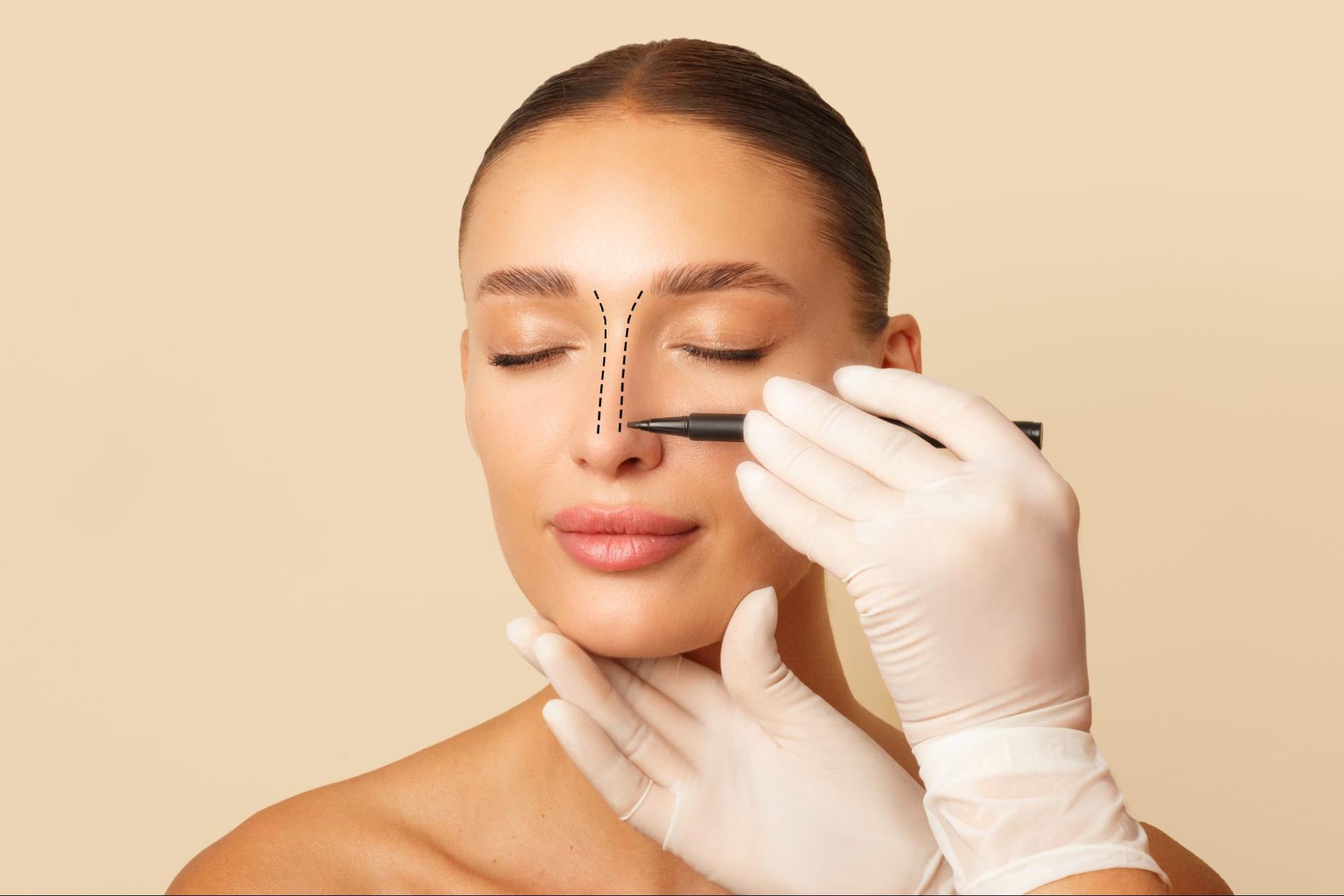
Selecting the ideal nose shape is a critical aspect of Rhinoplasty Surgery, as the nose plays a central role in facial balance and aesthetics. The right nose shape complements other facial features, enhances symmetry, and can even improve self-confidence. Factors such as facial proportions, skin thickness, ethnicity, and personal preferences all influence the optimal outcome for each patient.
Assessing Your Facial Features:
Before choosing a nose shape, it’s essential to evaluaate your unique facial characteristics:
-
Identify your face type: oval, round, square, heart-shaped, or long
-
Consider the proportion of your nose relative to your eyes, lips, and chin
-
Observe natural angles, such as the nasofrontal and nasolabial angles
-
Take note of skin thickness, as it can affect final results
-
Assess any functional concerns, such as breathing issues or deviations
A thorough assessment ensures that your chosen nose shape enhances harmony rather than creating imbalance.
Popular Nose Shapes and Their Characteristics:
Different nose shapes suit different face types, and understanding options helps in decision-making:
-
Straight Nose: A smooth, even bridge ideal for oval and long faces
-
Concave Nose: Slightly inward curve, often preferred for balanced facial aesthetics
-
Button Nose: Small, rounded tip, suits round or heart-shaped faces
-
Aquiline Nose: Pronounced bridge, adds character but may require careful proportioning
-
Snub Nose: Slight upward tilt, works well for youthful facial features
Exploring these options with a qualified surgeon ensures realistic and flattering results.
Using Proportions and Symmetry as a Guide:
Achieving facial harmony relies on proportion, symmetry, and balance:
-
The ideal nose length is approximately one-third of the face’s total length
-
Nasal width should align with the distance between the eyes
-
The tip rotation and projection influence overall facial aesthetics
-
Consider how changes will affect side profile and frontal views
-
Minor adjustments can have a major impact on facial harmony
Proper analysis of proportions ensures the nose complements rather than dominates facial features.
The Role of 3D Imaging and Virtual Simulations:
Modern technology allows patients to visualize potential outcomes:
-
3D imaging provides an accurate representation of post-surgical appearance
-
Virtual simulations help compare different nose shapes and angles
-
Surgeons can identify adjustments for optimal symmetry and proportion
-
Allows patients to set realistic expectations before undergoing surgery
-
Encourages collaborative decision-making between patient and surgeon
Technology ensures informed choices and increases satisfaction with final results.
Considering Ethnic and Cultural Factors:
Ethnicity and cultural aesthetics often influence nose shape preferences:
-
Certain ethnic features may require tailored techniques for natural-looking results
-
Maintaining ethnic identity while achieving balance is a common priority
-
Surgeons often adapt procedures to preserve unique facial characteristics
-
Cultural considerations can guide tip shape, bridge height, and nostril size
-
Respecting heritage enhances satisfaction while achieving desired outcomes
Personalized approaches ensure that cosmetic changes feel authentic and harmonious.
Balancing Aesthetics and Function:
A beautiful nose must also function properly, and this balance is key in rhinoplasty:
-
Consider nasal airflow and breathing alongside cosmetic adjustments
-
Avoid over-reduction or excessive tip rotation that may impair function
-
Correct any pre-existing structural issues, such as a deviated septum
-
Incorporate minor adjustments to improve both form and functionality
-
Prioritize long-term nasal health while achieving desired aesthetics
Combining aesthetics and function ensures that surgery improves appearance without compromising health.
Communicating Your Goals with Your Surgeon:
Clear communication with your surgeon is essential for achieving the desired nose shape:
-
Discuss preferred nose shapes, reference images, and concerns
-
Understand what is realistically achievable based on anatomy and skin type
-
Ask questions about surgical technique, recovery, and potential complications
-
Be honest about expectations to align vision with surgical possibilities
-
Regular consultations ensure ongoing collaboration throughout the process
Transparent communication helps avoid misunderstandings and maximizes satisfaction with results.
Final Thoughts.
Choosing the right nose shape is a blend of art, science, and personal preference, and is central to a successful Rhinoplasty Surgery outcome. By assessing facial features, understanding proportions, exploring nose shapes, utilizing modern imaging, respecting ethnic factors, balancing aesthetics with function, and communicating effectively with a skilled surgeon, patients can achieve natural-looking, harmonious results. Taking the time to make informed decisions ensures that the new nose complements the face, boosts confidence, and enhances overall facial aesthetics for years to come.

 English
 Magyar
 Arabic
 French
 Spanish
 Portuguese
 Deutsch
 Turkish
 Dutch
Dutch
 Italiano
 Romaian
 Portuguese (Brazil)
 Greek
Greek