
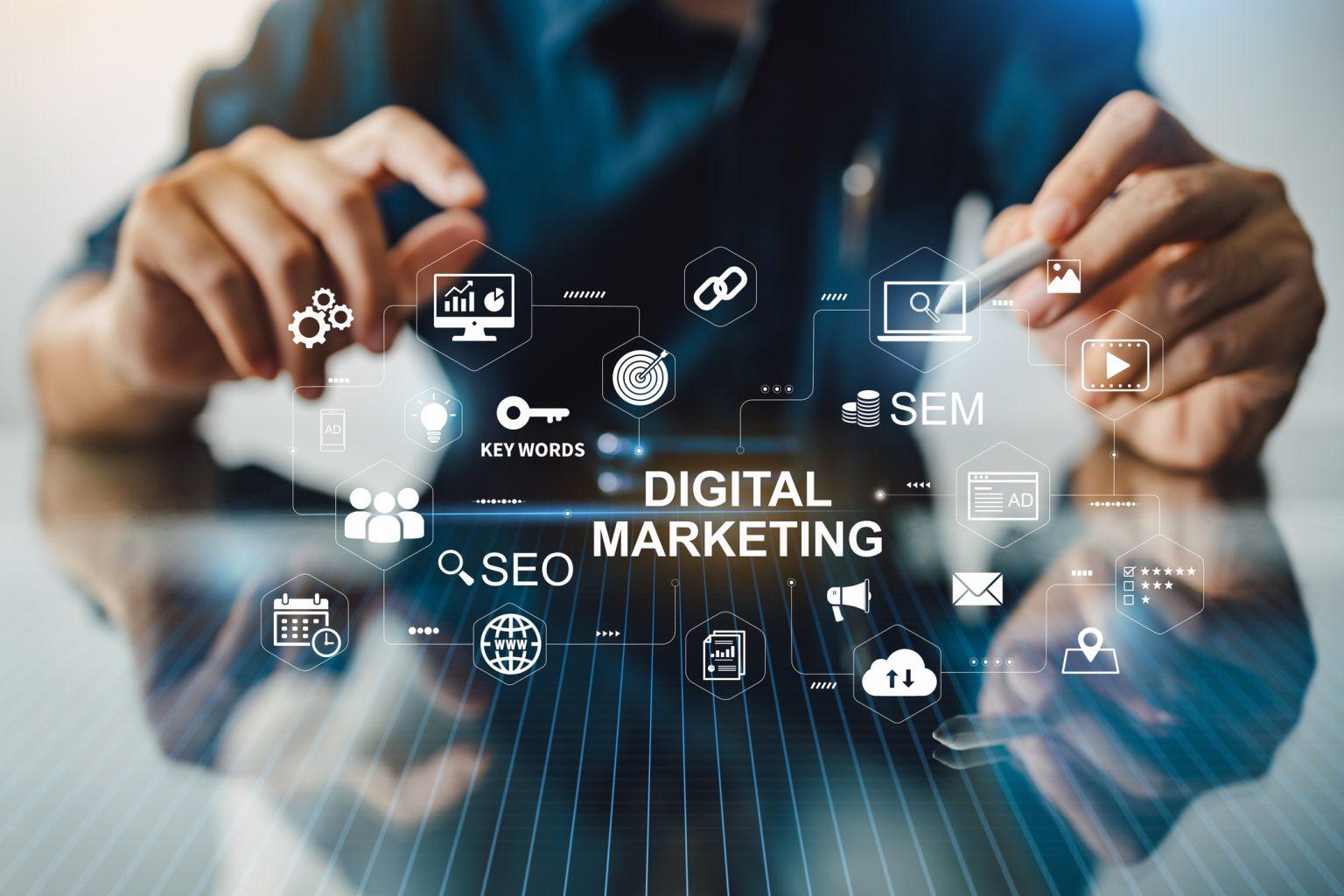
In today's rapidly evolving business landscape, companies face a critical decision: how to allocate their marketing budgets between traditional channels and digital platforms. While traditional marketing methods have served businesses well for decades, social media marketing services have emerged as powerful alternatives that offer unique advantages. Understanding the key differences between these approaches is essential for developing an effective, balanced marketing strategy.
Reach and Targeting Capabilities
Traditional marketing—including television, radio, print ads, and billboards—offers broad reach but limited targeting precision. A billboard on a busy highway reaches thousands of people, but there's no guarantee they're interested in your product. Conversely, social media marketing services provide highly sophisticated targeting options. Businesses can reach specific demographics based on age, location, interests, behaviors, and even life events, ensuring marketing messages reach the most relevant audiences and maximizing return on investment.
Cost Effectiveness
One of the most significant differences lies in cost. Traditional marketing typically requires substantial budgets. A single television commercial or magazine ad can cost thousands or even millions of dollars. Social media marketing services, however, offer options for businesses of all sizes. Companies can start with modest budgets and scale up based on results. Even small businesses can compete effectively using targeted social media campaigns that deliver measurable results without breaking the bank.
Measurability and Analytics
Traditional marketing has always struggled with measurement. How many people actually saw your billboard? Did your radio ad drive sales? These questions are difficult to answer definitively. Professional social media marketing services excel in this area, providing detailed analytics on impressions, clicks, engagement rates, conversions, and ROI. This data-driven approach allows businesses to optimize campaigns in real-time, making informed decisions based on actual performance rather than estimates.
Engagement and Interaction
Traditional marketing is largely one-directional—businesses broadcast messages to audiences with no opportunity for immediate feedback or conversation. Social media marketing services facilitate two-way communication, enabling businesses to engage directly with customers, answer questions, address concerns, and build relationships. This interactivity fosters community, loyalty, and trust in ways traditional marketing cannot match.
Speed and Flexibility
Creating and launching traditional marketing campaigns takes considerable time. Producing a television commercial or designing a print ad campaign requires weeks or months of planning and production. Social media marketing services offer remarkable agility. Businesses can create and publish content within hours, respond to trends immediately, and adjust strategies based on real-time feedback. This flexibility is invaluable in today's fast-paced market environment.
Content Lifespan
A magazine ad exists only as long as that publication remains current—typically days or weeks. A television commercial airs during its scheduled time slots and then disappears. Content created through social media marketing services can have extended lifespans. Posts can be shared, reshared, and discovered months or years after initial publication. Evergreen content continues delivering value long after creation.
The Best Approach: Integration
Rather than viewing these as competing options, savvy businesses recognize that traditional marketing and social media marketing services can complement each other effectively. Traditional methods build broad awareness while social platforms enable targeted engagement and conversion. Television ads can drive social media conversations; social campaigns can reinforce traditional messaging.
Conclusion
Both traditional marketing and social media marketing services have distinct advantages. While traditional methods offer credibility and broad reach, social media marketing services provide targeting precision, cost efficiency, measurability, and engagement opportunities. The most successful marketing strategies typically integrate both approaches, leveraging the strengths of each to create comprehensive campaigns that reach audiences wherever they are. Understanding these differences empowers businesses to make informed decisions about where to invest their marketing resources for maximum impact.

 English
 Arabic
 French
 Spanish
 Portuguese
 Deutsch
 Turkish
 Dutch
Dutch
 Italiano
 Russian
 Romaian
 Portuguese (Brazil)
 Greek
Greek