
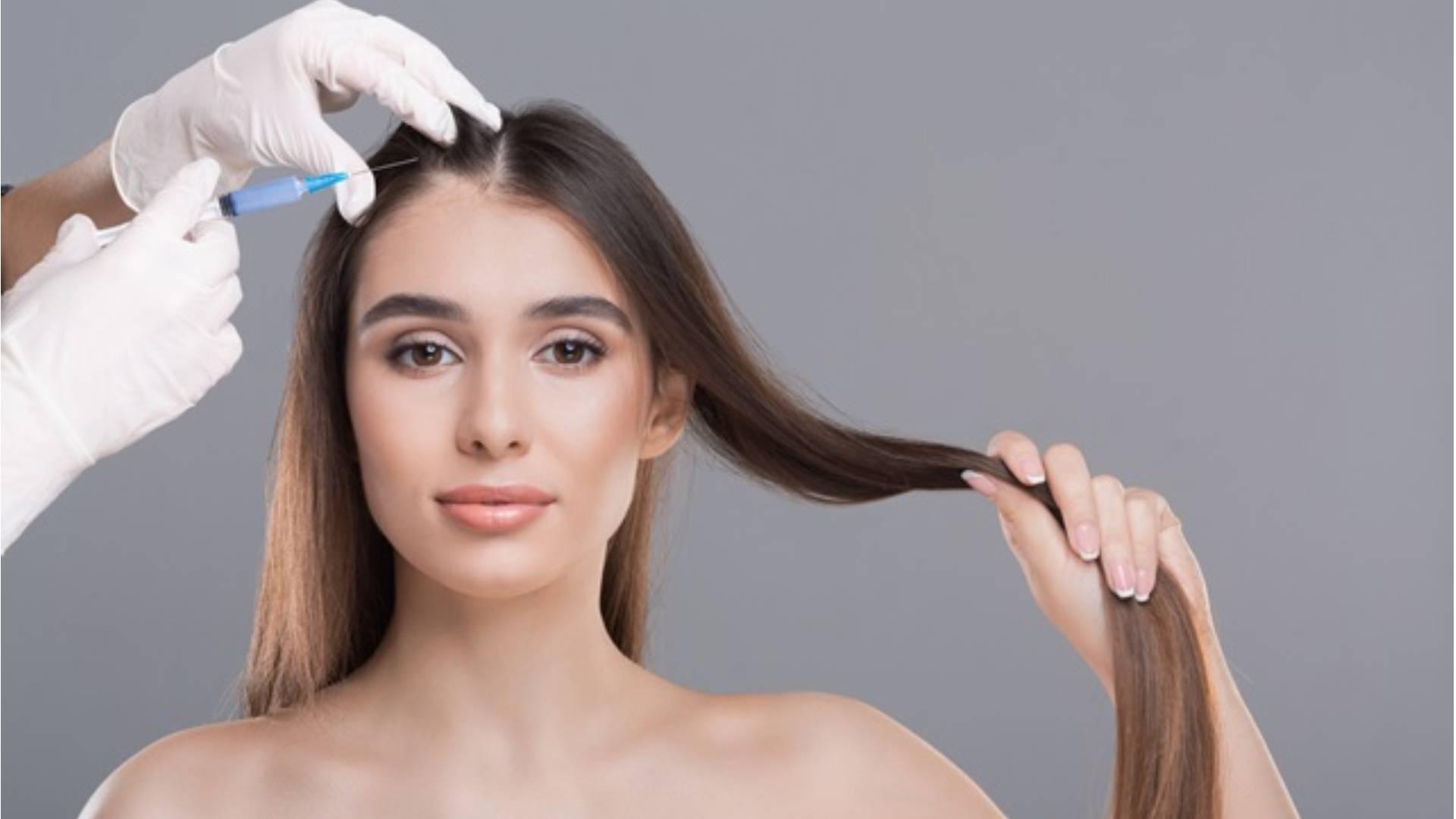
Hair loss affects millions of people worldwide, and finding an effective, non-surgical solution can be overwhelming. PRP treatment in Saudi Arabia has emerged as a popular option for those seeking to restore hair naturally. Using the patient’s own platelet-rich plasma, this therapy stimulates dormant hair follicles, improves scalp health, and encourages hair regrowth. Understanding what to expect before and after PRP hair therapy is essential for preparing for the procedure, achieving optimal results, and maintaining long-term hair health.
Preparing for PRP Hair Therapy:
Before undergoing PRP treatment, a thorough consultation with a specialist is essential. During this session, the doctor evaluates hair loss patterns, scalp condition, and overall health to ensure suitability for PRP therapy. Patients may also discuss their expectations, take photographs of the treatment areas, and review any pre-procedure instructions. Key steps in preparation include:
-
Avoiding blood-thinning medications or supplements, if advised
-
Ensuring proper hydration and nutrition
-
Arriving with a clean, shampooed scalp
-
Discussing medical history and allergies with the specialist
Proper preparation sets the foundation for a safe and effective treatment process.
Blood Collection and Processing:
PRP therapy begins with drawing a small amount of the patient’s blood, typically from the arm. The blood is then placed in a centrifuge to separate the platelet-rich plasma from other components. This concentrated plasma contains growth factors that stimulate hair follicles and promote tissue repair. Important points in this step include:
-
Using sterile techniques to prevent infection
-
Ensuring sufficient platelet concentration for maximum efficacy
-
Preparing plasma for precise scalp injections
-
Processing blood immediately to maintain platelet integrity
This step transforms the patient’s own blood into a potent hair restoration solution.
Scalp Preparation Before Injection:
Prior to PRP injection, the scalp is cleaned thoroughly to reduce the risk of infection. In many cases, a topical anesthetic or numbing agent is applied to minimize discomfort during the procedure. The specialist may also mark target areas to ensure precise administration of the plasma. Key considerations include:
-
Applying antiseptic solutions to sterilize the scalp
-
Using a local anesthetic to enhance comfort
-
Identifying thinning areas for focused treatment
-
Ensuring the patient is relaxed and informed about the process
Proper scalp preparation is essential for both safety and effectiveness.
The PRP Injection Procedure:
During the PRP therapy session, the platelet-rich plasma is injected into areas of the scalp experiencing thinning or hair loss. Fine needles are used to deliver the plasma directly to the hair follicles, promoting stimulation and regrowth. The procedure is usually completed within 30 to 60 minutes, depending on the size of the treatment area. Benefits of the injection phase include:
-
Direct stimulation of dormant follicles
-
Minimal invasiveness with no surgery required
-
Gradual improvement in hair density and thickness
-
Quick procedure with minimal discomfort
Precision during injections is critical to achieving optimal results and maximizing follicle activation.
Immediate Post-Treatment Care:
After PRP injections, patients may experience mild redness, swelling, or tenderness in the treated areas. These side effects are typically temporary and resolve within 24 to 48 hours. Specialists provide post-treatment care instructions to ensure proper healing and maximize the benefits of the therapy. Key recommendations include:
-
Avoiding washing the hair for at least 24 hours
-
Refraining from strenuous exercise or heat exposure immediately after treatment
-
Using gentle hair care products to prevent irritation
-
Monitoring the scalp for unusual reactions and reporting concerns promptly
Adhering to these guidelines helps maintain follicle stimulation and enhances treatment outcomes.
Expected Results Timeline:
PRP therapy produces gradual, natural-looking results, as hair growth is a slow biological process. Most patients notice a reduction in hair shedding within two to three months, with visible improvement in hair thickness and density appearing after three to six months. Continued improvement may be observed with regular maintenance sessions. Key milestones include:
-
Early effects: decreased hair fall and improved scalp condition
-
Medium-term effects: increased hair density and fullness
-
Long-term effects: stronger, healthier hair and sustained follicle activity
Understanding the timeline helps manage expectations and promotes patience during the regrowth process.
Recommended Maintenance Schedule:
PRP therapy is most effective when combined with a structured schedule of initial and maintenance sessions. Typically, patients undergo three to four sessions spaced four to six weeks apart, followed by maintenance sessions every four to six months. Benefits of a consistent maintenance schedule include:
-
Sustaining hair growth and follicle activation
-
Preventing regression of hair density
-
Enhancing scalp health for continued improvement
-
Monitoring and addressing new areas of thinning promptly
Regular follow-ups ensure that patients achieve and maintain optimal results over time.
Safety and Potential Side Effects:
PRP therapy is considered safe due to the use of the patient’s own blood, minimizing the risk of allergic reactions or infections. Most side effects are mild and temporary. Common post-treatment reactions include:
-
Redness, swelling, or tenderness at injection sites
-
Minor bruising in the treated areas
-
Temporary scalp sensitivity
Serious complications are rare when the procedure is performed by a trained specialist, making PRP a reliable option for non-surgical hair restoration.
Complementary Hair Care Practices:
To maximize the benefits of PRP therapy, patients are encouraged to adopt complementary hair care routines. Healthy scalp and hair habits support follicle stimulation and prolong the effects of treatment. Recommended practices include:
-
Maintaining a balanced diet rich in vitamins and proteins
-
Avoiding harsh chemical treatments or excessive heat styling
-
Managing stress through mindfulness, exercise, or relaxation techniques
-
Using gentle, sulfate-free shampoos and conditioners
These lifestyle adjustments complement PRP therapy and enhance overall hair health.
Final Thoughts:
PRP hair therapy offers a safe, natural, and minimally invasive approach to addressing hair thinning and hair loss. Understanding what to expect before and after treatment helps patients prepare adequately, manage their expectations, and achieve optimal results. By following a structured process—from consultation and blood processing to injection, post-care, and maintenance—patients can enjoy gradual, natural hair regrowth and improved scalp health. PRP treatment in Saudi Arabia has become a preferred option for individuals seeking effective hair restoration without surgery, offering a reliable path to fuller, healthier hair and renewed confidence.

 English
 Magyar
 Arabic
 French
 Spanish
 Deutsch
 Turkish
 Dutch
Dutch
 Italiano
 Russian
 Romaian
 Portuguese (Brazil)
 Greek
Greek