
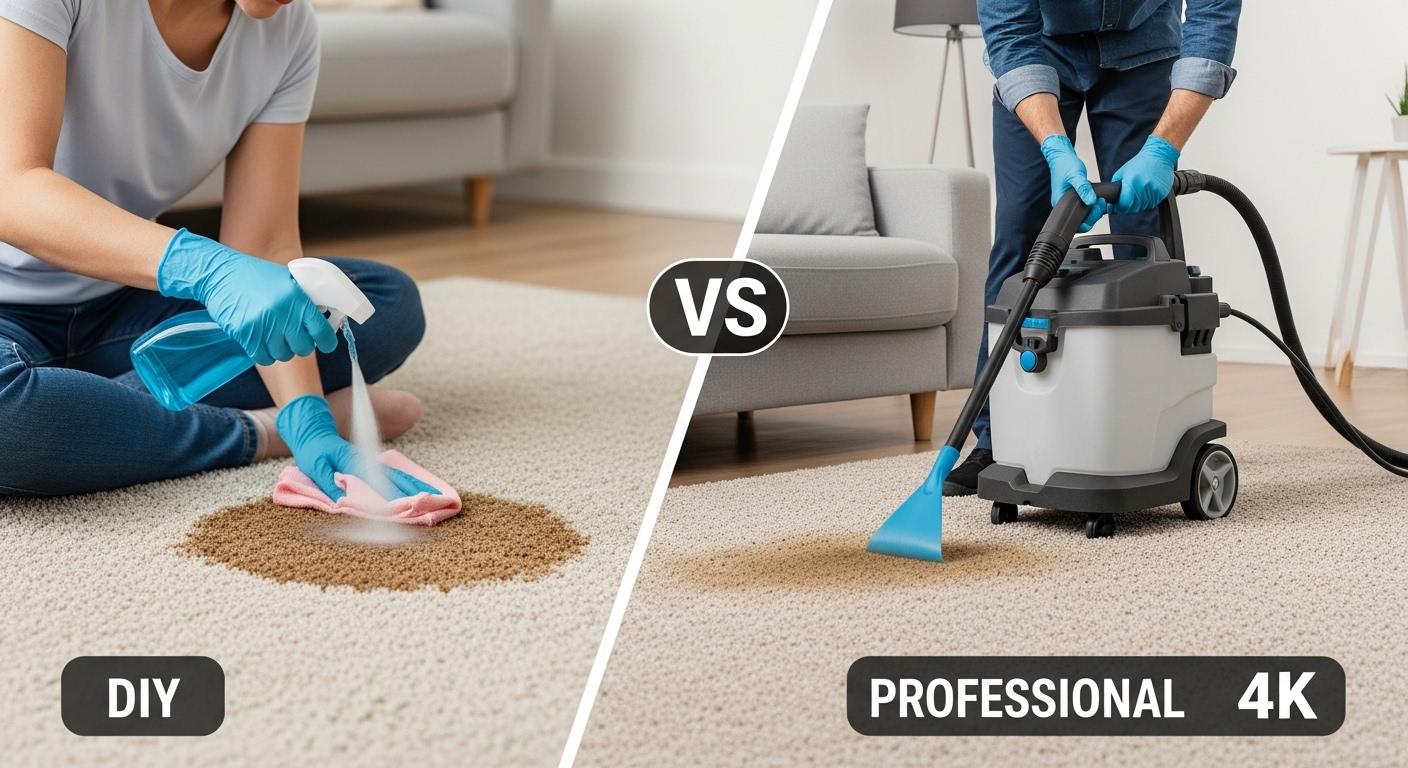
As a pet owner, keeping your home clean and odor-free can feel like an uphill battle. Pets bring joy, companionship, and plenty of love, but they can also leave behind accidental messes, especially urine stains on carpets, furniture, or flooring. These stains are more than just unsightly; they can penetrate deep into your home’s surfaces, creating persistent odors and, over time, even damaging fabrics or carpets.
One of the most reliable solutions for maintaining a fresh and healthy home environment is professional carpet stain removal services. Whether you’re tackling a small accident or dealing with repeated pet incidents, understanding the best strategies for stain and odor removal, along with the services available in 2026, can save you time, stress, and money. In this comprehensive guide, we’ll walk you through everything from DIY techniques to professional treatments, and help you make informed decisions for a cleaner, healthier home.
Understanding Pet Urine Stains and Odors
Pet urine is not simply water; it contains urea, proteins, salts, and minerals that can leave lasting damage if left untreated. When urine soaks into carpet fibers or furniture padding, it can become increasingly difficult to remove over time. The smell may linger even after initial cleaning, and pets are often drawn back to the same spot, perpetuating the problem.
Why Pet Urine Is Difficult to Remove
-
Deep Penetration: Urine can seep into carpet padding, subfloors, and even cracks in hardwood flooring.
-
Crystallization: The minerals in urine can crystallize, making stains tougher to remove with standard cleaners.
-
Strong Odors: Bacteria naturally present in urine break down urea, producing ammonia-like smells that are challenging to neutralize.
This is where carpet stain removal services become invaluable, as professional equipment and specialized solutions can target both stains and odors at their source, rather than just masking the problem.
Signs You Need Professional Pet Urine Removal
Sometimes, DIY cleaning methods are not enough to restore your carpets or furniture. You should consider professional carpet stain removal services if you notice:
-
Persistent odors even after repeated cleaning
-
Deep or dark stains that don’t fade
-
Signs of mold or mildew in carpet padding
-
Frequent accidents in the same area
-
Allergies or respiratory problems triggered by lingering odors
Acting quickly can prevent permanent damage to your home while improving the indoor environment for both humans and pets.
DIY Pet Urine Stain Removal Techniques
If you prefer to handle small accidents on your own, several DIY methods can be effective—but they require careful application:
1. Blot, Don’t Rub
Always blot the area with a clean cloth or paper towels instead of rubbing. Rubbing spreads the urine deeper into the fibers, making it harder to remove.
2. Enzymatic Cleaners
These cleaners break down the proteins in urine, neutralizing odors and preventing pets from returning to the same spot. Enzymatic solutions are a crucial tool in carpet stain removal services at home.
3. Baking Soda and Vinegar
Sprinkle baking soda on the affected area, spray with a mixture of water and vinegar, and allow it to foam. After it dries, vacuum thoroughly. This method lifts odors and can reduce discoloration in lighter stains.
4. Hydrogen Peroxide Solution
A mixture of hydrogen peroxide and a mild dish soap can help tackle stubborn stains. Always test a hidden section first, as peroxide may bleach or discolor some carpet fibers.
While these methods are helpful, they often work best for fresh stains. For older or more deeply embedded urine, professional services remain the most effective option.
Benefits of Professional Carpet Stain Removal Services
Professional carpet stain removal services offer long-term solutions that DIY methods cannot always achieve. Here’s why:
-
Deep Cleaning: Advanced equipment can reach subflooring and carpet padding, removing urine that has soaked deep into fibers.
-
Odor Neutralization: Industrial-grade enzymatic solutions and deodorizers eliminate odors rather than just masking them.
-
Stain Prevention: Professionals can apply protective coatings to reduce the risk of future accidents.
-
Time-Saving: Avoid hours of scrubbing and waiting for DIY solutions to dry.
-
Health Benefits: Reduces bacteria, allergens, and potential mold growth caused by lingering urine.
By choosing professional services, you ensure that stains and odors are completely eliminated, improving the longevity and cleanliness of your carpets.
How Professional Services Work
Professional carpet stain removal services typically follow a structured process to guarantee results:
-
Assessment: Technicians evaluate the type of urine, carpet material, and severity of the stain.
-
Pre-Treatment: Enzymatic solutions are applied to break down urine proteins and crystals.
-
Deep Cleaning: Hot water extraction or steam cleaning removes residual urine from deep within carpet fibers.
-
Deodorizing: Odors are neutralized using eco-friendly or industrial solutions.
-
Protective Coating: Optional treatments are applied to repel future stains and make cleaning easier.
This process ensures that both visible stains and hidden odors are fully addressed.
Choosing the Right Carpet Stain Removal Services
Not every service is the same. When selecting a provider, consider the following:
-
Experience with Pet Stains: Look for companies specializing in pet urine removal.
-
Eco-Friendly Products: Ensure the cleaning solutions are safe for pets and children.
-
Satisfaction Guarantees: Reputable services offer repeat visits if stains or odors persist.
-
Customer Reviews: Positive testimonials reflect reliability and expertise.
-
Value Over Cost: Quality is more important than choosing the cheapest service.
Selecting the right service ensures your home is restored efficiently and safely.
Preventing Future Pet Accidents
Prevention is key to maintaining clean carpets. Try these strategies:
-
Consistent Training: Reinforce potty training routines to reduce indoor accidents.
-
Regular Cleaning: Frequent vacuuming removes lingering odors and discourages repeat behavior.
-
Protective Mats: Place washable mats in high-risk areas.
-
Bathroom Break Management: Ensure pets have adequate opportunities to relieve themselves.
-
Behavior Monitoring: Stress, illness, or age-related issues can increase accidents. Consult a veterinarian if needed.
Products That Help Between Professional Visits
Even after professional cleaning, maintenance products can help prevent future issues:
-
Enzymatic Spot Sprays: Treat small accidents immediately.
-
Odor-Absorbing Powders: Sprinkle on carpets to neutralize lingering smells.
-
UV Lights: Reveal hidden urine stains that may be missed by the eye.
-
HEPA Vacuum Cleaners: Reduce allergens and bacteria trapped in carpet fibers.
Regular maintenance keeps your home clean and supports the effectiveness of professional treatments.
Eco-Friendly Approaches for Pet Owners
Many modern carpet stain removal services focus on sustainability:
-
Plant-Based Enzymatic Cleaners: Safe for pets and the environment.
-
Non-Toxic Deodorizers: Avoid harsh chemical residues.
-
Water-Efficient Steam Cleaning: Reduces environmental impact while deep cleaning.
These options allow you to maintain a healthy home for your pets while minimizing ecological harm.
Cost of Professional Pet Urine Stain Removal
Pricing depends on several factors:
-
Size of the Area: Larger carpets or multiple rooms increase cost.
-
Severity of Stains: Deep or old stains require more intensive treatment.
-
Carpet Type: Delicate or high-end carpets may need specialized care.
-
Additional Treatments: Deodorizing and protective coatings can add to cost.
On average, carpet stain removal services range from $100 to $400 per session. While it may seem like a significant investment, professional cleaning extends the life of your carpets and reduces recurring odor issues.
Conclusion
Pet urine stains and lingering odors are a common challenge for pet owners, but they don’t have to compromise the cleanliness, comfort, or health of your home. By combining effective DIY techniques, high-quality maintenance products, and professional carpet stain removal services, you can achieve a truly fresh, odor-free environment. Professional solutions, especially for pet urine odor removal carpet, not only eliminate stubborn stains and smells but also prevent long-term damage and recurring accidents that can frustrate even the most diligent pet owners.
Taking action promptly is key. Choosing the right service ensures your carpets remain clean, your home stays safe, and your pets continue to enjoy a comfortable living space. Don’t let pet accidents take over your home, invest in professional care and maintenance today to create a healthier, fresher, and more welcoming environment for your family and furry companions.
Frequently Asked Questions
1. How soon should I clean pet urine from carpets?
Clean immediately to prevent stains from setting and odors from developing.
2. Can DIY methods completely remove urine odors?
Fresh stains may respond well, but old or deep stains often require professional treatment.
3. Are enzymatic cleaners safe for pets?
Yes, most are non-toxic, but always follow label instructions.
4. How often should I use professional carpet cleaning?
Every 6–12 months, or sooner if your pet has frequent accidents.
5. Can urine stains permanently damage carpets?
Yes, untreated urine can discolor fibers and weaken carpet backing over time.
6. Will professional services remove urine from hardwood floors?
Yes, most companies offer treatments for multiple surfaces, not just carpets.
7. Do these services use chemicals harmful to pets?
Reputable services use pet-safe, non-toxic solutions.
8. Can I prevent my pet from urinating indoors?
Behavior training, consistent routines, and stress management can reduce accidents.
9. How long does professional cleaning take?
Typically 1–3 hours, depending on area size and severity.
10. Can repeated accidents be a sign of health problems?
Yes, frequent urination can indicate urinary tract infections or other medical issues. Consult a veterinarian.

 English
 Arabic
 French
 Spanish
 Portuguese
 Deutsch
 Turkish
 Dutch
Dutch
 Italiano
 Russian
 Romaian
 Portuguese (Brazil)
 Greek
Greek