
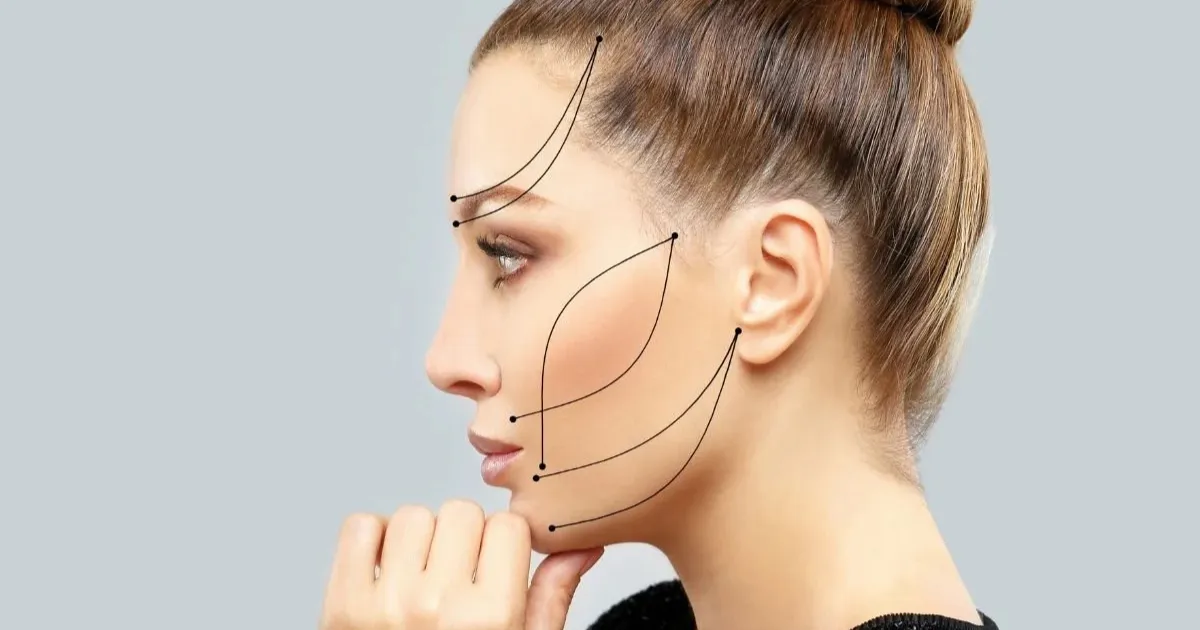
Endolift is a fantastic tool that tightens, smooths, and remodels tissue with minimal invasiveness compared to traditional surgery. But anyone who's actually been through it knows recovery isn't magic overnight. It's a process, and how you treat your body in the hours and days after makes a real difference in how you look and feel later.
In Miami, that process has its own flavor: hot weather, intense sun, lots of outdoor activities, and an expectation of quick results. People choosing endolift in miami want to bounce back fast but often go too hard too soon, which can lead to redness, prolonged swelling, or uneven healing.
In this guide I'm going to walk you through what to expect, how to truly speed recovery (not just hope it happens), and the practical do's and don'ts that help most of my clients get the best results from their Endolift. No myths, no generic lists, just honest, experienced advice.
What to Expect After Endolift
Endolift isn't like filler or Botox where you're ready for brunch an hour later. There is physical disruption happening beneath the skin tiny zones of heat and tissue remodeling. That's the good stuff that leads to tightening and rejuvenation, but it also means your body needs to settle things down.
Right after the procedure, you'll notice some or all of the following:
Warmth and mild soreness
The area treated feels like a sunburn tender, a bit hot to the touch, and slightly uncomfortable. This is normal.
Redness and mild irritation
Especially in the first 24–48 hours, your skin will look flushed. Don’t be alarmed this is part of the inflammation phase of healing.
Swelling
More noticeable around the jawline, under the eyes, neck, or around the chin depending on treatment area. It’s usually not dramatic, but it’s definitely noticeable.
Minor bruising
Some people bruise easily that’s okay it isn’t a sign that anything went wrong.
First reactions vary widely. Some of my patients walk into Miami Beach that evening with a little redness and feel fine. Others prefer to stay in with cool packs and low stimuli for a couple of days. Both are okay your body is doing the work of repairing itself.
Most of these effects peak within 48 hours and gradually fade over 5–7 days. But if you rush back into sun, hard workouts, or heavy skincare, you can extend that timeline without gaining anything.
Immediate Aftercare
This window is everything. How you handle day one will set the tone for your recovery. Think of it like laying the foundation if it’s sloppy, everything above it gets shakier.
Right After Treatment
Cool compresses are your friend. I don’t mean ice cubes wrapped in a towel smashed on your face gentle, consistent cool packs (think gel packs from the pharmacy) for 10–15 minutes at a time, repeated a few times in the first 12 hours is perfect. This helps control swelling and soothes heat without shutting off the natural healing cascade.
You’ll want to:
-
Avoid touching or rubbing
the area. It’s tender, and even gentle pressure from phones, pillows, or hands can irritate it. -
Skip makeup
for the first 24 hours. Your skin is like an open door right now introducing pigment or heavy products can trap heat or bacteria. -
Use prescribed or recommended products only
Many clinicians give you a soothing ointment or gentle healing cream use it exactly as directed.
If you’re feeling uncomfortable, over‑the‑counter anti‑inflammatory pain relief (like ibuprofen) works well if you’re cleared for it medically. Avoid aspirin unless your provider okayed it.
Sleep Situation
This is a big one: elevate your head. I tell patients to sleep on two pillows or a wedge pillow the first night to help reduce swelling. Laying flat can let fluid pool in the treated tissues, making your face feel puffy in the morning.
Hydration
Drink water like it’s part of your procedure because it is. Your body repairs with water, not mystery.
Tips to Speed Up Healing
This is the section you came here for the real practice that separates “hoping I heal quickly” from “healing efficiently and with purpose.”
Protect & Soothe
Keep it clean, but gentle.
Skip scrubs, chemical exfoliants, and makeup on treated zones until redness is minimal. A mild, fragrance‑free cleanser is enough. Too many people think “healing faster = buffing harder” not true.
Use calming products with a point.
I’m not talking every cream in your shelf. Choose:
- A barrier‑supporting moisturizer (ceramide or panthenol‑based)
- A clinician‑approved soothing gel (aloe can be fine, as long as it’s pure)
These help your skin stay hydrated and calm irritation, rather than stripping it further.
Ice if needed, not continuously.
Use cool packs intermittently constant ice can reduce circulation too much and slow real healing.
Manage Swelling
Everyone swells differently genetics, treatment area, and lifestyle all play a role but you can manage it:
Head elevation
As mentioned, elevate your head for sleeping the first 1–3 nights. It’s simple but powerful.
Avoid salty foods and alcohol in the first 48 hours
Salt encourages fluid retention; alcohol dilates blood vessels and can worsen swelling and redness. In Miami, where social brunches and cocktails are a thing consider a rain check.
Light movement is okay heavy is not
A gentle walk is helpful (moving blood and lymph). But skip high‑intensity workouts for at least 48–72 hours. Your body sees that as stress and responds with inflammation the last thing you want early on.
Avoid Strenuous Activity
I cannot underscore this enough:
you do more harm by doing too much, too soon, than too little.
Why? Because Endolift relies on controlled heat‑induced remodeling. When you immediately raise your heart rate and core temperature with intense workouts, saunas, hot yoga, or heavy cardio you reinforce inflammation instead of allowing the body to transition into repair mode.
So for the first 2–3 days:
- No heavy weight lifting
- No long runs
- No hot tubs/steam rooms
- No deep tissue massages on the treated area
You can walk, hydrate, stretch gently that’s it.
Hydration & Diet
Your body is rebuilding at a cellular level. What you put in counts.
Hydration
Your tissues need water to rebuild. Aim for 3–4 liters of clean water per day in the first 72 hours. If you’re out in Miami heat, even more.
Protein:
Repair needs building blocks. Get lean protein at each meal eggs, fish, chicken, Greek yogurt, legumes. I’ve watched folks with poor protein intake heal slower and bruise longer.
Anti‑inflammatory foods:
Fatty fish, berries, leafy greens, turmeric these gently support healing without suppressing your body’s natural process.
Avoid:
- Excess sugar (it can prolong inflammation)
- Alcohol (early on)
- Highly processed, salty foods
Real food equals real support.
Sun Protection and Long‑Term Skin Care
After Endolift, sun exposure is a big deal. Your skin is healing it’s sensitive and more prone to UV damage, pigmentation, and prolonged redness.
Daily Protection
Miami sun is intense year‑round.
After you’re clear for sunscreen (generally the day after treatment,if your clinician agrees):
-
Use a physical (mineral) SPF 30–50 daily
-
Reapply every 2 hours if you’re outdoors
-
Wear a wide‑brimmed hat anytime you’re outside
Chemical sunscreens are fine once your skin isn’t tender, but physically blocking UVA/UVB with zinc or titanium gives more reliable broad‑spectrum protection.
Long‑Term Care
Endolift sets the stage by tightening and remodeling.
Good ongoing skin care keeps those results visible longer:
- A gentle retinoid (once cleared by your clinician)
- Moisturizers with ceramides and peptides
- Daily sunscreen no exceptions
Treat the results like you’d treat a classic car: gentle maintenance beats constant correction.
When to See Your Provider
Most of what you’ll experience is normal: warmth, tenderness, mild swelling, light bruising, and a pinkish glow. But there are real situations where checking in matters.
Call your clinician if you notice:
Intense, escalating pain
that doesn’t respond to light pain relievers or cooling
Significant asymmetry
that persists beyond day 7–10
Pus, warmth, or streaking redness
signs of infection
Fever
alongside unusual redness or swelling
Severe swelling that suddenly worsens
instead of gradually fading
Don’t wait for “maybe it’ll get better.” Your provider would prefer to hear early and be confident it’s fine than have you quietly worry.
Conclusion
Healing after Endolift isn’t an obstacle it’s part of the experience. If you approach it with respect instead of rush, you’ll get better results with fewer surprises. In Miami, that means protecting yourself from intense sun, hydrating like your skin depends on it, and letting your body do its job without unnecessary stressors.
Take it slow at first, be mindful of how your body reacts, and honor those first 48–72 hours with intentional care. You’re investing in long‑term rejuvenation make your recovery count.
FAQs
Can I do Endolift and go to the beach the next day?
No, going to the beach the next day is not advisable. The treated skin is extremely sensitive to UV rays in the first 48–72 hours, and Miami sun is particularly intense. Direct sunlight can worsen redness, prolong swelling, and even increase the risk of pigmentation. Reflective surfaces like water and sand amplify this exposure, which means even a short walk on the beach can have a bigger impact than you expect. In my experience, patients who ignore this early sun protection often see uneven healing or longer-lasting redness. It’s best to stay indoors or in shaded areas during this critical window, and once you do go outside, use a mineral-based SPF 30–50 and wear a hat or scarf to shield the treated areas.
When can I wear makeup again?
Now patients can safely reintroduce light makeup around 48–72 hours after the procedure. Before this, your skin is still in the peak inflammation phase, and applying makeup can trap heat, bacteria, or irritants on the skin, potentially slowing healing or causing breakouts. In my experience, starting with mineral-based powders or non-comedogenic products is the safest approach. Avoid heavy foundation, contouring products, or any vigorous application that puts pressure on tender areas. Make sure your skin is completely calm and any swelling or redness has noticeably reduced before you resume your normal beauty routine.
Is swelling supposed to show up later?
Yes, swelling can actually appear a day or two after the procedure, which surprises a lot of first-timers. Some patients look perfectly fine immediately post-treatment but notice puffiness or fluid accumulation peaking 24–48 hours later. This is normal and part of the body's natural inflammatory response, your tissues are repairing themselves, and fluid temporarily collects in the treated zones. In my hands-on experience, gentle elevation, hydration, and occasional cool compresses help manage this swelling without interfering with the tissue remodeling that Endolift relies on. Patience is key here; swelling is not a sign that anything went wrong.
Can I exercise the day after?
I generally advise against strenuous activity on the first day or even the first two days after Endolift. Light walking is okay, but anything that significantly raises your heart rate or core temperature like jogging, heavy lifting, or hot yoga can increase inflammation and prolong recovery. Your body needs to focus its energy on healing the treated tissues rather than on physical stress. I've seen patients who pushed themselves too soon experience more pronounced swelling, redness, and even minor bruising that could have been avoided. Start with gentle movement and gradually increase intensity only after swelling and tenderness have subsided, usually around 2–3 days post-treatment.
Why is my chin/jaw area lumpy after Endolift?
Lumps in the chin or jaw area are typically due to localized swelling and fluid retention in the tissue, this is completely normal. The heat energy from Endolift stimulates collagen remodeling and micro-inflammation, which can temporarily create small nodules or unevenness. In my experience, these lumps usually smooth out naturally over the first week as your body redistributes fluid and the tissues settle. Gently massaging the area is only safe if your provider has cleared you to do so; aggressive pressing or rubbing too soon can aggravate the tissues and prolong swelling. Patience and proper aftercare hydration, elevation, and avoiding pressure are what help these temporary irregularities resolve efficiently.

 English
 Arabic
 French
 Spanish
 Portuguese
 Deutsch
 Turkish
 Dutch
Dutch
 Italiano
 Russian
 Romaian
 Portuguese (Brazil)
 Greek
Greek