
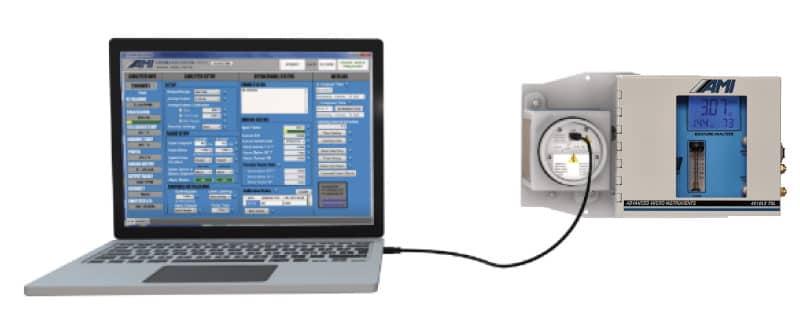
Moisture control plays a vital role in many industrial processes where even the smallest amount of water vapor can affect product quality, safety, and operational efficiency. From pharmaceuticals and petrochemicals to semiconductor manufacturing and gas processing plants, precise moisture detection is not optional—it is essential. This is where a Trace Moisture Analyzer becomes a critical instrument. Designed to measure extremely low levels of moisture in gases and liquids, it helps industries maintain strict standards, prevent damage, and ensure consistent performance.
Understanding how this technology works and why it matters can help businesses choose the right solution for their operations. In this comprehensive guide, we will explore the importance, working principles, types, benefits, applications, and best practices for using a Trace Moisture Analyzer effectively.
What Is a Trace Moisture Analyzer?
A Trace Moisture Analyzer is a highly sensitive instrument used to measure very small concentrations of water vapor, often in parts per million (ppm), parts per billion (ppb), or dew point values. Unlike standard humidity sensors that work in percentage ranges, these analyzers detect microscopic traces of moisture that can still cause serious issues in sensitive environments.
These devices are commonly used in compressed air systems, natural gas pipelines, specialty gas production, laboratories, and cleanroom facilities. Their precision helps prevent corrosion, contamination, and chemical instability caused by unwanted moisture.
Why Measuring Trace Moisture Matters
Even minimal moisture can create significant problems in industrial settings. Many processes rely on dry environments to function properly. Excess water vapor can result in:
Corrosion of pipelines and equipment
Reduced product shelf life
Chemical reactions or degradation
Sensor and instrument failure
Lower production efficiency
Safety hazards in gas systems
For example, in semiconductor manufacturing, tiny amounts of moisture can damage microchips. In natural gas transport, water can cause hydrate formation and pipeline blockages. The Trace Moisture Analyzer helps avoid these risks by providing real-time monitoring and precise control.
How a Trace Moisture Analyzer Works
These analyzers operate using various sensor technologies designed to detect low moisture concentrations. Each method has specific advantages depending on the application.
Chilled Mirror Technology
This method measures dew point by cooling a mirror until condensation forms. The temperature at which moisture appears indicates the exact dew point. It is highly accurate and often used as a reference standard.
Electrolytic Sensors
Electrolytic sensors absorb moisture and measure the electrical current generated during electrolysis. This technique is extremely sensitive and ideal for ultra-dry gas measurement.
Capacitive Sensors
Capacitive sensors detect moisture through changes in electrical capacitance. They are durable, cost-effective, and suitable for continuous industrial monitoring.
Quartz Crystal Microbalance
This technology measures frequency changes caused by moisture accumulation on a crystal surface. It offers fast response times and excellent precision.
Selecting the right sensor depends on required sensitivity, environment, and budget.
Key Features to Look For
When choosing a Trace Moisture Analyzer, several features should be considered to ensure reliable performance.
High sensitivity and accuracy
Wide measurement range
Fast response time
Stable long-term calibration
Digital display and alarms
Portable or fixed installation options
Low maintenance requirements
Data logging capabilities
Modern analyzers often include smart interfaces and connectivity options, allowing integration with automated systems and remote monitoring platforms.
Industrial Applications
The versatility of a Trace Moisture Analyzer makes it valuable across numerous industries.
Oil and Gas
Moisture in natural gas can lead to corrosion and pipeline damage. Continuous monitoring ensures gas quality and prevents operational risks.
Pharmaceuticals
Drug manufacturing requires controlled environments. Even small moisture variations can affect chemical stability and product safety.
Semiconductors
Chip fabrication needs ultra-dry conditions. Trace water can compromise precision processes and reduce yields.
Compressed Air Systems
Dry air improves equipment life and prevents contamination. Moisture analyzers help maintain optimal air quality.
Power Generation
Hydrogen cooling systems in generators must remain dry to avoid safety hazards. Accurate measurement protects both equipment and personnel.
Benefits of Using a Trace Moisture Analyser
Investing in a Trace Moisture Analyser offers both operational and financial advantages.
Improved Product Quality
Precise moisture control ensures consistent results and reduces defects.
Equipment Protection
Preventing corrosion and contamination extends machinery lifespan.
Cost Savings
Lower maintenance and fewer breakdowns reduce long-term expenses.
Regulatory Compliance
Many industries must meet strict quality standards. Accurate monitoring helps maintain compliance.
Enhanced Safety
Early detection of moisture prevents dangerous reactions or system failures.
Portable vs. Online Systems
There are two main types of analyzers available.
Portable Units
Portable models are lightweight and easy to carry. They are ideal for spot checks, field testing, and maintenance tasks.
Online or Fixed Systems
Installed directly into production lines, these provide continuous monitoring and real-time data. They are best for critical operations that require constant oversight.
Many facilities use both types for maximum flexibility and control.
Calibration and Maintenance Tips
To ensure accurate results, regular maintenance is essential.
Schedule periodic calibration
Keep sensors clean
Avoid contamination exposure
Follow manufacturer guidelines
Replace worn components promptly
Proper care ensures the Trace Moisture Analyser delivers consistent performance over time.
Choosing the Right Supplier
Not all analyzers are created equal. Work with reputable manufacturers or suppliers who provide:
Technical support
Warranty coverage
Calibration services
Training and documentation
Industry certifications
Reliable after-sales service can significantly improve long-term performance and user experience.
Future Trends in Moisture Analysis
Technology continues to evolve rapidly. Modern analyzers now offer:
Wireless monitoring
Cloud-based data storage
AI-powered diagnostics
Miniaturized designs
Energy-efficient operation
These advancements make the Trace Moisture Analyser smarter, faster, and more user-friendly than ever before. As industries demand higher precision and automation, next-generation solutions will become standard.
Conclusion
Maintaining low moisture levels is essential for many industries where accuracy and reliability are critical. A Trace Moisture Analyzer provides the precision required to detect even the smallest traces of water vapor, helping prevent equipment damage, improve product quality, and enhance safety.
By understanding the working principles, available technologies, and application needs, businesses can select the right analyzer to optimize their processes. Whether used in laboratories, manufacturing plants, or gas systems, this instrument remains a cornerstone of modern quality control.

 English
 Magyar
 French
 Spanish
 Portuguese
 Deutsch
 Turkish
 Dutch
Dutch
 Italiano
 Russian
 Romaian
 Portuguese (Brazil)
 Greek
Greek