
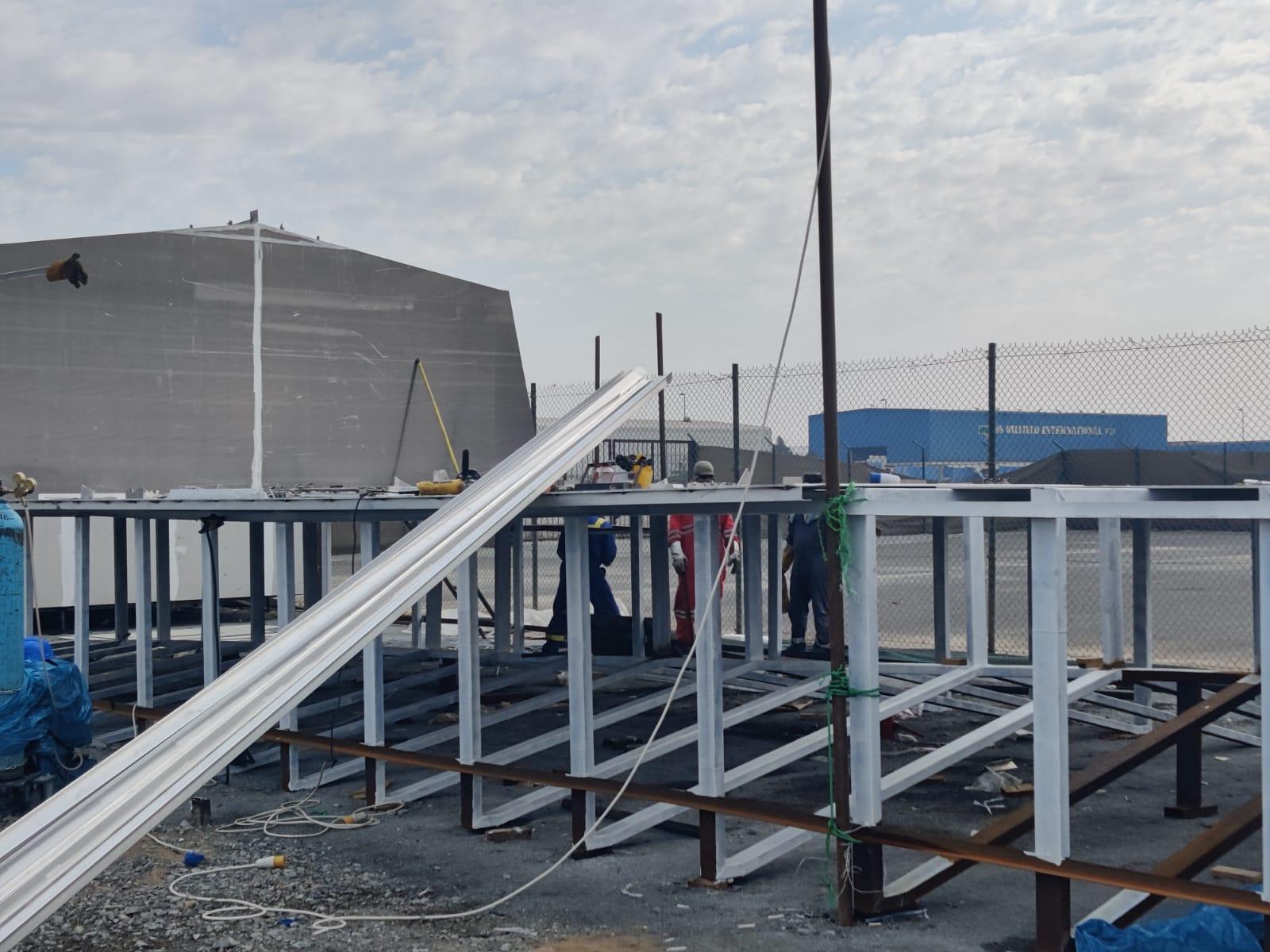
Ship building companies are entering a new era of innovation driven by advanced technology, sustainability goals, and global trade expansion. The global shipbuilding market is valued at over $40 billion and is projected to grow steadily over the next decade due to increasing maritime trade and naval investments. Since more than 80% of global trade by volume is transported by sea, modern shipbuilding technology plays a critical role in supporting the world economy. Today’s shipyards are no longer limited to traditional construction methods; instead, they rely on automation, artificial intelligence, digital modeling, and eco-friendly engineering solutions to build smarter and more efficient vessels.
Digital Transformation in Modern Shipyards
Digitalization is transforming how vessels are designed and constructed. Many ship building companies in UAE and across the world are investing heavily in 3D modeling software, digital twin systems, and cloud-based project management tools. Digital twin technology allows engineers to create a virtual replica of a ship before it is physically built. This helps identify design flaws early, reduce material waste, and shorten production timelines.
Industry estimates suggest that over 70% of shipyards globally have adopted some form of digital transformation strategy. These systems improve communication between departments, enhance design accuracy, and reduce costly errors. Digital platforms also allow real-time monitoring of shipyard operations, making production more efficient and transparent.
Artificial Intelligence and Smart Engineering
Artificial Intelligence (AI) is another powerful trend shaping the future of shipbuilding. AI-driven analytics help engineers optimize vessel design, fuel efficiency, and operational safety. Around 20–25% of newly designed ships now incorporate AI-based systems for predictive maintenance and performance monitoring.
Smart algorithms can analyze large volumes of operational data to predict equipment failures before they occur. This reduces downtime and maintenance costs while improving safety standards. As AI continues to evolve, autonomous navigation systems and automated decision-making tools are expected to become more common in commercial vessels. This technological shift is helping shipbuilders create more reliable and intelligent ships.
Automation and Robotics in Production
Automation has become a key factor in improving shipyard productivity. Advanced robotic welding machines, automated cutting systems, and drone inspections are increasingly used in construction processes. Experts predict that nearly 40–50% of repetitive shipyard tasks could be automated by 2030.
Robotic systems ensure precision and consistent quality, reducing the risk of human error. Automated production lines also speed up construction timelines, allowing shipyards to deliver vessels faster while maintaining high standards. For ship manufacturing companies in UAE and globally, automation provides a competitive advantage by lowering operational costs and increasing efficiency.
Sustainable and Green Shipbuilding Technologies
Sustainability is no longer optional in the maritime industry. Environmental regulations are becoming stricter, pushing shipbuilders to adopt cleaner technologies and energy-efficient designs. More than 30% of new vessel orders worldwide now include alternative fuel capabilities such as LNG or hybrid propulsion systems.
Energy-efficient hull designs, lightweight materials, and optimized propulsion systems significantly reduce fuel consumption. Some vessels are also being developed with wind-assisted propulsion and advanced emission reduction systems. These innovations help reduce greenhouse gas emissions while lowering long-term operating costs for shipowners. Green shipbuilding represents not only environmental responsibility but also economic sustainability.
Advanced Materials and Lightweight Construction
Material innovation is playing a major role in modern shipbuilding technology. While steel remains the primary material used in vessel construction, advanced alloys and composite materials are increasingly integrated to improve durability and reduce weight. Lightweight engineering enhances fuel efficiency and improves overall vessel performance.
Corrosion-resistant materials reduce maintenance requirements and extend vessel lifespan. By combining innovative materials with digital design tools, shipbuilders can produce ships that are stronger, safer, and more efficient. This focus on material science reflects the broader industry commitment to performance optimization.
Growth of Marine Infrastructure and Services
As ship technology advances, the demand for high-quality marine services in UAE and other maritime hubs continues to grow. Modern shipbuilding is closely connected to maintenance, retrofitting, offshore support, and port infrastructure development. Shipyards are expanding their capabilities beyond construction to include integrated maritime solutions.
With global maritime trade steadily increasing, the need for efficient repair facilities, smart ports, and offshore engineering services is becoming more important. This integrated approach ensures that vessels remain operational, compliant with regulations, and technologically updated throughout their lifecycle.
Autonomous and Smart Ships
The rise of autonomous shipping is one of the most exciting developments in the industry. In recent years, more than 100 autonomous or semi-autonomous vessel projects have been launched worldwide. These ships use advanced sensors, AI-based navigation systems, and real-time monitoring platforms to operate safely.
Although fully crewless ships are still in development, features like automated docking, remote monitoring, and collision avoidance systems are already being implemented. Smart ships equipped with integrated digital systems can monitor fuel usage, cargo conditions, and engine performance in real time, improving operational efficiency and safety standards.
Competitive Landscape and Industry Leadership
The competition among top shipbuilding companies is increasingly driven by technological capability and sustainability initiatives. Shipyards that invest in digital tools, automation, and green propulsion systems are better positioned to meet future market demands. Innovation is no longer a luxury but a necessity for long-term growth.
For example, VU Marine aligns with modern industry trends by focusing on advanced shipbuilding technologies and efficient engineering practices. By adapting to digital transformation and environmental standards, forward-thinking shipbuilders can remain competitive in a rapidly evolving global market.
Conclusion: Navigating Toward a Smarter Maritime Future
The future of modern shipbuilding technology is defined by innovation, efficiency, and sustainability. From AI-driven analytics and robotics to green propulsion systems and smart shipyards, technological advancements are reshaping the maritime industry. As global trade continues to expand and environmental standards become stricter, shipbuilders must embrace these trends to stay competitive.
The industry’s transformation is not just about building larger ships; it is about building smarter, cleaner, and more technologically advanced vessels that will define global maritime operations for decades to come.

 English
 Magyar
 Arabic
 French
 Spanish
 Portuguese
 Deutsch
 Turkish
 Dutch
Dutch
 Italiano
 Russian
 Romaian
 Greek
Greek