
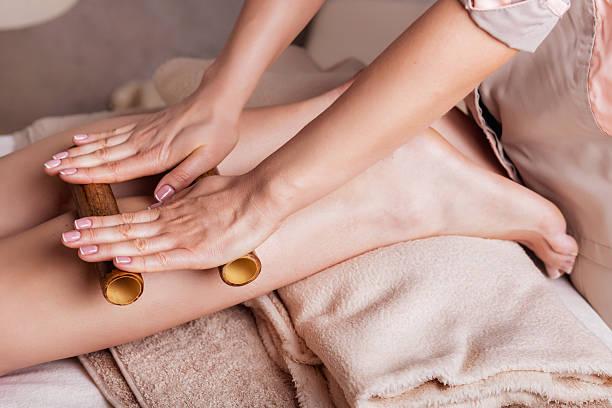
Wellness doesn’t have to mean expensive spa memberships or complicated equipment. Sometimes, the most effective tools are the simplest ones. If you’re looking for a natural, practical way to relieve tension and support recovery at home, learning proper wooden stick massage techniques can be a game changer.
This traditional method uses smooth wooden sticks to apply controlled pressure to muscles, helping to release tightness, improve circulation, and encourage relaxation. It’s straightforward, sustainable, and surprisingly powerful when used correctly.
Let’s break down how it works — and how you can safely incorporate it into your routine.
What Is Wooden Stick Massage?
At its core, wooden stick massage is a manual therapy technique that uses shaped wooden tools to target specific muscle groups. Unlike electric massagers that rely on vibration, this method depends on steady, intentional pressure and rolling movements.
The sticks are usually crafted from durable hardwood and shaped for different functions:
-
Rounded sticks for general muscle rolling
-
Textured sticks for stimulating circulation
-
Curved sticks for reaching contours like calves and arms
-
Slim sticks for more focused pressure points
Brands such as CCcollections offer carefully designed tools that balance comfort and effectiveness. The quality of the wood and the smoothness of the finish matter more than most people realise.
Why Choose Wooden Tools Over Electric Devices?
Let’s be honest — electric massage guns are popular. But they’re not always necessary.
Wooden tools offer:
-
Greater control over pressure
-
No noise or vibration fatigue
-
Eco-friendly materials
-
Longer durability without batteries or charging
Most importantly, you stay in control. You can adjust intensity instantly based on how your body feels that day.
If your goal is consistent home wellness rather than high-intensity treatment, this hands-on approach makes sense.
Key Benefits of Wooden Stick Massage
When used regularly and correctly, wooden stick massage may support:
-
Reduced muscle tension
-
Improved circulation
-
Better flexibility
-
Relief from post-exercise soreness
-
Relaxation and stress reduction
This isn’t about quick fixes. It’s about steady improvement. Your muscles respond best to consistency.
Preparing for Your Session
Before you begin, set yourself up properly.
1. Choose a Comfortable Space
Sit on a yoga mat, bed, or supportive chair.
2. Apply Light Oil (Optional)
A small amount of natural oil can help the stick glide smoothly over the skin.
3. Warm Up
Do 3–5 minutes of gentle stretching to prepare your muscles.
Rushing into deep pressure without warming up can lead to discomfort. Take your time.
Technique 1: Rolling for Large Muscle Groups
This is the foundation of wooden stick massage.
Best for: thighs, calves, upper arms, and back (with assistance).
How to do it:
-
Place the stick horizontally across the muscle.
-
Apply moderate pressure.
-
Roll slowly up and down the muscle for 30–60 seconds.
-
Adjust pressure as needed.
Keep movements steady and controlled. Fast rolling doesn’t equal better results.
If you’re new to this method, start gently. You can always increase intensity over time.
Technique 2: Press-and-Release for Tension Points
Sometimes muscles hold tight knots. Rolling alone may not be enough.
Best for: shoulders, calves, and outer thighs.
How to do it:
-
Locate a tight area.
-
Press the stick firmly into the spot.
-
Hold for 10–20 seconds.
-
Slowly release.
You may feel mild discomfort — that’s normal. Sharp pain is not. Listen to your body.
Consistent use of wooden stick massage techniques can gradually reduce tightness when done correctly.
Technique 3: Lymphatic-Style Sweeping
This technique focuses on light, upward strokes to support circulation.
Best for: legs and arms.
How to do it:
-
Use light pressure.
-
Sweep upward toward the heart.
-
Repeat 10–15 strokes per area.
This method is gentler and ideal for rest days or evenings when you want relaxation rather than deep tissue work.
Technique 4: Cross-Fibre Movement
Muscles run in specific directions. Occasionally moving across them can help loosen stubborn areas.
Best for: thighs and forearms.
How to do it:
-
Position the stick perpendicular to the muscle.
-
Move side to side slowly.
-
Limit to 30 seconds per area.
Don’t overdo this one. It’s effective but should be used carefully.
Building a Weekly Routine
Consistency beats intensity.
A simple plan might look like:
-
3–4 sessions per week
-
10–15 minutes per session
-
Focus on 2–3 muscle groups at a time
You don’t need an hour-long routine. Short, focused sessions are more sustainable.
Many users who purchase tools from CCcollections incorporate them into post-workout recovery or evening wind-down routines. It’s about making wellness part of your lifestyle — not another task on your to-do list.
Common Mistakes to Avoid
If you want real results, avoid these pitfalls:
1. Using Too Much Pressure
More pressure doesn’t mean faster results. It can cause bruising.
2. Skipping Warm-Up
Cold muscles are more sensitive to deep work.
3. Ignoring Pain Signals
Discomfort is fine. Sharp pain means stop.
4. Inconsistency
Doing one intense session per month won’t help much.
Be patient. Muscles respond gradually.
Who Should Avoid It?
While wooden stick massage is generally safe, avoid it if you have:
-
Open wounds
-
Severe varicose veins
-
Acute injuries
-
Recent fractures
-
Certain circulatory disorders
If you’re unsure, consult a healthcare professional before starting.
The Mental Benefits
Physical relief is only part of the story.
There’s something grounding about using natural tools. The tactile experience of smooth wood, the quiet environment without buzzing motors — it encourages mindfulness.
In a world filled with constant stimulation, slowing down matters.
Brands like CCcollections emphasise simple, sustainable wellness tools for this reason. The goal isn’t dependency on devices. It’s empowerment through self-care
Long-Term Results
When practised consistently, wooden stick massage may contribute to:
-
Improved mobility
-
Less muscle stiffness
-
Better body awareness
-
Enhanced recovery time
But remember — this works best alongside:
-
Proper hydration
-
Balanced nutrition
-
Regular movement
-
Adequate sleep
Massage supports your body. It doesn’t replace healthy habits.
Choosing the Right Tools
Quality matters.
Look for:
-
Smooth, splinter-free finish
-
Comfortable grip
-
Durable hardwood
-
Ergonomic design
Cheap, poorly finished tools can cause irritation. Investing in reliable products, such as those available from CCcollections, ensures safety and longevity.
Good tools should feel sturdy in your hands — not flimsy.

Final Thoughts
Home wellness doesn’t require complexity. It requires consistency and intention.
Learning wooden stick massage techniques gives you control over your recovery and relaxation. It’s affordable, sustainable, and adaptable to your needs.
If you’re willing to commit to a few sessions each week, you may notice meaningful improvements in tension and flexibility over time. Tools from CCcollections can support that journey, but the real progress comes from your commitment.
Start simple. Stay consistent. Listen to your body.
Wellness is built through small, steady actions — not shortcuts.

 English
 Magyar
 Arabic
 French
 Spanish
 Portuguese
 Deutsch
 Turkish
 Italiano
 Russian
 Romaian
 Portuguese (Brazil)
 Greek
Greek