
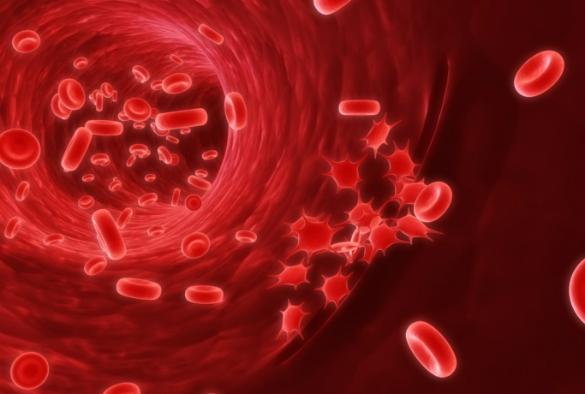
Yes, stress can contribute to low blood platelet levels but the relationship is indirect, complex, and highly dependent on the type and duration of stress involved.
To understand how stress affects platelets, we need to first review what platelets are and how they function in the body.
Platelets (thrombocytes) are small, anucleate cell fragments produced in the bone marrow from megakaryocytes. Their primary role is hemostasis the prevention of bleeding. When platelet counts fall below the normal range (typically 150,000-450,000 platelets per microliter of blood), the condition is called thrombocytopenia.
Now, let's explore whether stress can cause low blood platelets and how this occurs physiologically.
Understanding Stress: Acute vs. Chronic
Stress can be categorized into:
-
Acute stress short-term physiological response (e.g., injury, infection, trauma)
-
Chronic stress prolonged psychological or physical stress (e.g., ongoing illness, emotional strain)
The body responds to stress via activation of the hypothalamic pituitary adrenal (HPA) axis and the sympathetic nervous system. This leads to increased secretion of cortisol, adrenaline, and inflammatory mediators. These hormones influence immune function, bone marrow activity, and platelet behavior.
Can Acute Stress Lower Platelets?
In most cases, acute stress does not cause significant thrombocytopenia. In fact, acute stress often leads to temporary platelet activation and even mild increases in circulating platelets due to splenic contraction.
However, severe physical stress such as:
-
Major trauma
-
Sepsis
-
Severe infection
-
Major surgery
can lead to platelet consumption. Conditions like disseminated intravascular coagulation (DIC) may occur in extreme systemic stress, leading to rapid platelet depletion.
For example, bacterial infections treated with antibiotics such as ceftriaxone injection wholesale supply chains are common in hospital settings where severe infections can induce inflammatory cascades that reduce platelet counts. In such cases, the thrombocytopenia is not caused by stress alone but by infection-induced systemic inflammation.
Chronic Psychological Stress and Platelets
Chronic psychological stress may influence platelet levels indirectly through several mechanisms:
1. Immune Dysregulation
Prolonged stress alters immune function. Elevated cortisol levels can suppress bone marrow activity over time. If megakaryocyte production is impaired, platelet production may decrease.
Chronic stress is also associated with autoimmune tendencies. One condition to consider is:
Immune Thrombocytopenic Purpura (ITP) an autoimmune disorder where antibodies attack platelets.
Psychological stress does not directly cause ITP, but stress can exacerbate autoimmune diseases, potentially worsening platelet destruction.
2. Inflammatory Cytokine Effects
Stress increases pro-inflammatory cytokines such as IL-6 and TNF-alpha. Persistent inflammation may:
-
Alter thrombopoietin regulation
-
Disrupt bone marrow microenvironment
-
Increase platelet consumption
In patients with chronic infections requiring antibiotics like set ceftriaxone injection wholesale distributed in clinical markets, inflammation is often the primary driver of thrombocytopenia rather than stress itself.
3. Behavioral Consequences of Stress
Stress can lead to behaviors that indirectly reduce platelet count:
-
Alcohol overconsumption (suppresses bone marrow)
-
Poor nutrition (folate or B12 deficiency)
-
Sleep deprivation
-
Medication misuse
Alcohol-related bone marrow suppression is a well-documented cause of thrombocytopenia.
Stress-Related Conditions Associated With Low Platelets
Several stress-associated medical conditions may feature thrombocytopenia:
1. Sepsis
Sepsis is a severe systemic infection causing widespread inflammation and platelet consumption. Broad-spectrum antibiotics such as set ceftriaxone injection wholesale pharmaceutical preparations are frequently used in hospital management of bacterial sepsis.
Here, platelet reduction results from:
-
Increased consumption
-
Bone marrow suppression
-
Immune-mediated destruction
2. Adrenal Disorders
Chronic stress may dysregulate cortisol production. Severe endocrine imbalances can affect hematopoiesis.
3. Depression and Chronic Anxiety
Some studies show altered platelet activation patterns in depression. However, most evidence links stress to platelet hyperreactivity rather than thrombocytopenia.
Can Stress Alone Cause Dangerous Thrombocytopenia?
In otherwise healthy individuals, psychological stress alone rarely causes clinically significant low platelet counts.
If platelet levels drop below 100,000/µL, clinicians typically investigate:
-
Viral infections
-
Autoimmune disorders
-
Bone marrow disorders
-
Medication side effects
-
Liver disease
-
Nutritional deficiencies
Stress is usually considered a contributing factor not a primary cause.
Medication-Induced Thrombocytopenia
Certain drugs can lower platelets. While ceftriaxone (a third-generation cephalosporin antibiotic) is generally safe, rare cases of drug-induced immune thrombocytopenia have been reported.
Hospitals that procure antibiotics through set ceftriaxone injection wholesale distributors must ensure pharmacovigilance and quality control, as drug reactions although uncommon can impact platelet counts.
However, such reactions are immune-mediated and not stress-induced.
Diagnostic Evaluation
If low platelets are suspected, physicians typically perform:
-
Complete blood count (CBC)
-
Peripheral blood smear
-
Liver function tests
-
Viral screening (HIV, hepatitis)
-
Bone marrow biopsy (if needed)
Stress management may be part of supportive care, but identifying the underlying cause is critical.
Symptoms of Low Platelets
Thrombocytopenia symptoms may include:
-
Easy bruising
-
Petechiae (small red spots)
-
Nosebleeds
-
Bleeding gums
-
Heavy menstrual bleeding
-
Prolonged bleeding after cuts
Severe cases can cause internal bleeding, which requires immediate medical attention.
Managing Stress to Support Platelet Health
While stress alone rarely causes low platelets, managing chronic stress is beneficial for overall immune and hematologic health.
Recommended approaches:
-
Cognitive behavioral therapy (CBT)
-
Regular physical exercise
-
Adequate sleep (7-9 hours nightly)
-
Balanced nutrition rich in B vitamins and iron
-
Mindfulness or meditation practices
-
Avoiding alcohol excess
For patients recovering from infection treated with antibiotics such as set ceftriaxone injection wholesale hospital supplies, stress reduction may support immune recovery but does not replace medical treatment.
Key Takeaways
-
Stress does not typically cause significant thrombocytopenia by itself.
-
Severe physical stress (infection, trauma) can lead to platelet consumption.
-
Chronic psychological stress may indirectly affect platelet production via immune and hormonal pathways.
-
Most cases of low platelets require medical evaluation to rule out infection, autoimmune disease, bone marrow disorders, or drug effects.
-
Antibiotics such as set ceftriaxone injection wholesale products are used to treat infections that may cause secondary thrombocytopenia, but stress is not the primary driver in these cases.
Final Conclusion
Stress can influence many physiological systems, including hematopoiesis and immune regulation. However, it is rarely a direct, isolated cause of low blood platelet counts. When thrombocytopenia occurs, clinicians focus on identifying underlying pathology rather than attributing it solely to stress.
If someone experiences persistent symptoms of low platelets, medical evaluation is essential. Stress management supports overall health but low platelet counts demand proper diagnostic assessment and targeted treatment.

 English
 Arabic
 French
 Spanish
 Portuguese
 Deutsch
 Turkish
 Dutch
Dutch
 Italiano
 Russian
 Romaian
 Portuguese (Brazil)
 Greek
Greek