
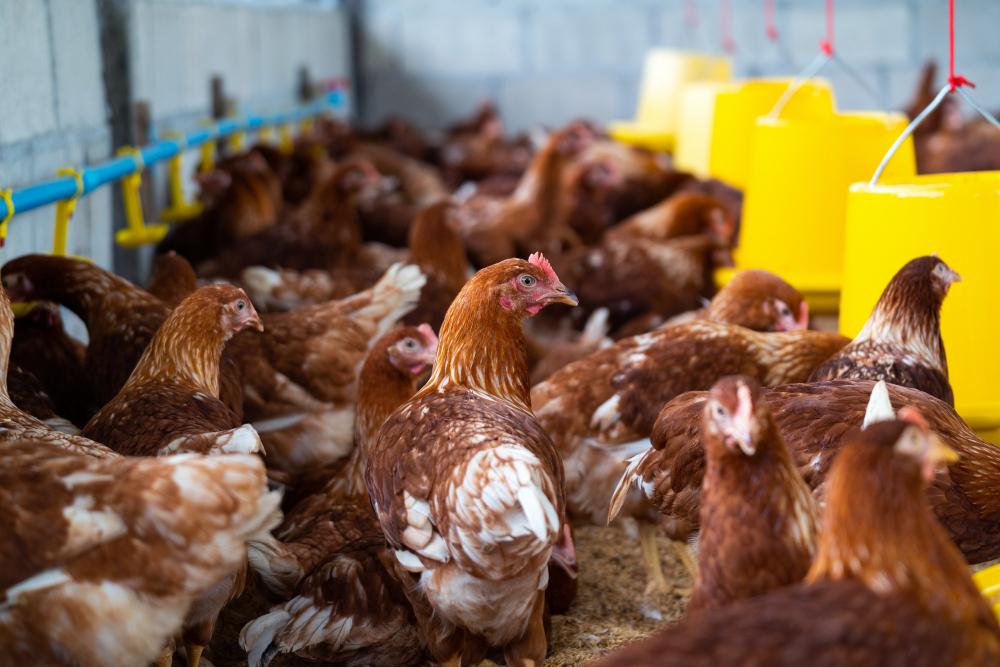
Poultry farming can be a highly profitable business, but rising feed prices, labor costs, and energy expenses are making it harder for many farmers to maintain healthy profit margins. Without proper planning, even experienced farmers can end up overspending on unnecessary areas, which eats into their earnings.
Smart planning isn’t just about cutting corners—it’s about managing your farm efficiently and making decisions that save money while maintaining the quality of your birds. Many modern farmers now rely on structured poultry solutions to streamline their operations, reduce waste, and maximize productivity. In this article, we’ll explore practical ways to reduce costs in poultry farming through smart planning, helping you grow a healthier, more profitable farm.
Planning Efficient Poultry Housing
One of the first steps in controlling costs is ensuring your poultry houses are designed efficiently. Properly designed housing doesn’t just keep birds comfortable—it also reduces maintenance and energy costs over time. Good ventilation helps lower disease risks, which in turn reduces mortality and medical expenses.
Temperature control plays a big role too. Birds that are too hot or too cold eat more and grow less efficiently, which drives up feed costs. Optimizing lighting and space prevents overcrowding and stress, improving growth rates naturally. Using durable, high-quality materials for construction may have a higher upfront cost but saves money in the long run through fewer repairs.
Well-planned housing is a core part of modern poultry farming solutions, helping farmers save money and improve production efficiency simultaneously.
Feed Management and Cost Control
Feed accounts for the largest portion of poultry farming expenses—sometimes up to 70% of total costs. Smart feed management is essential to reduce waste and improve growth rates. Using high-quality, nutritionally balanced feed ensures birds get what they need to thrive, preventing health problems that lead to expensive treatments.
Proper feed storage is another critical factor. Spoiled or contaminated feed can destroy a flock, resulting in huge losses. Many farms now use automated feeding systems, which reduce labor costs and ensure consistent feed delivery. Tracking feed consumption closely allows farmers to spot issues early and adjust rations, further improving efficiency.
Bulk feed purchasing, monitoring the feed conversion ratio, and avoiding low-quality substitutes are small steps that can save significant money over time. These practices are an essential part of any comprehensive poultry farming solution.
Improving Farm Management Efficiency
Organized farm management can drastically reduce unnecessary expenses. Keeping accurate records of production, feed, and medical treatments allows farmers to identify problem areas and take corrective action before costs spiral out of control.
Monitoring bird health closely reduces unexpected losses, and scheduled maintenance prevents costly equipment breakdowns. Workforce management is also key: training staff to follow best practices and using labor efficiently can significantly cut overheads.
Digital tools and farm management software are becoming part of effective poultry solutions, giving farmers real-time insights into their operations. A well-organized farm not only costs less to run but also performs better in the long term.
Reducing Energy and Utility Costs
Energy and water use are major contributors to poultry farming costs. Electricity for lighting, heating, and ventilation can be expensive, while inefficient water systems can lead to waste and higher bills.
Energy-efficient equipment, such as LED lighting and automated temperature control systems, can make a noticeable difference in expenses. Some farmers are also investing in solar panels to reduce electricity costs over time. Efficient water systems ensure that birds always have access to clean water without unnecessary wastage.
These measures are simple but effective steps in applying modern poultry solutions to reduce utility costs and increase overall farm efficiency.
Disease Prevention Saves Money
Disease outbreaks are one of the most expensive problems a poultry farmer can face. Vaccinations, regular health checks, and proper biosecurity measures are far cheaper than treating sick birds or losing entire flocks.
Maintaining clean housing, controlling visitors, and disinfecting equipment reduces the risk of infections. Providing clean water and good nutrition keeps birds strong and resilient.
Integrating disease prevention into your overall poultry solutions strategy ensures that your investment in feed, labor, and housing is protected, saving money that might otherwise be lost to preventable health issues.
Smart Processing Planning Reduces Losses
Even with careful farming, poor handling and processing can cause significant financial losses. Coordinating harvest schedules, proper transport, and efficient processing can reduce bird stress, improve meat quality, and minimize waste.
Good packaging and cold chain management extend shelf life, ensuring that your products reach customers in the best condition. Modern poultry processing solutions are designed to help farmers manage this stage efficiently, connecting farming practices directly to processing operations.
Smart processing planning ensures that every bird counts, translating into higher profitability and reduced overall costs.
Conclusion
Reducing costs in poultry farming doesn’t mean cutting corners—it means planning strategically, investing wisely, and using modern tools to work smarter. By focusing on efficient housing, smart feed management, organized farm operations, energy savings, disease prevention, and careful processing planning, farmers can save significant money while maintaining high productivity.
Incorporating structured poultry solutions and poultry processing solutions into your farm management strategy makes every step of the process more efficient. With careful planning and attention to detail, poultry farming can remain a profitable, sustainable, and rewarding business.

 English
 Arabic
 French
 Spanish
 Portuguese
 Deutsch
 Turkish
 Dutch
Dutch
 Italiano
 Russian
 Romaian
 Portuguese (Brazil)
 Greek
Greek