
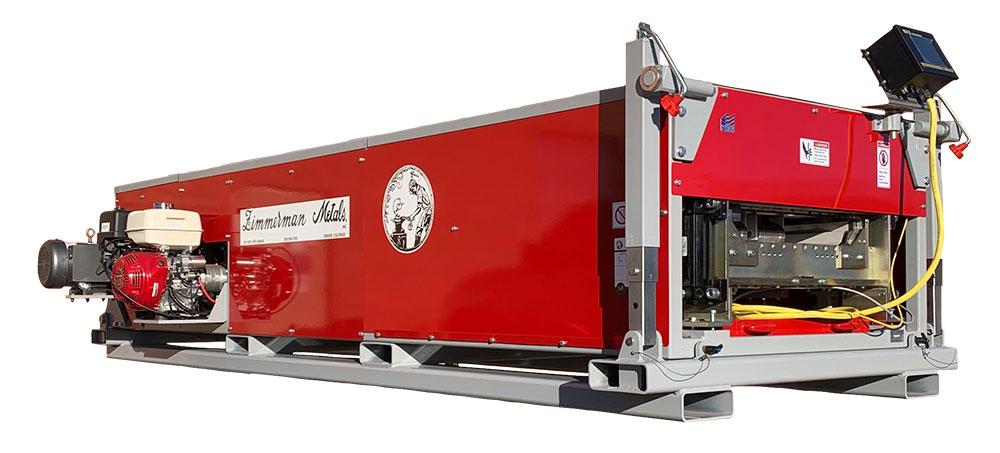
Roofing is a critical part of any construction or renovation project. A durable, well-installed roof not only protects a building from the elements but also contributes to energy efficiency, structural integrity, and overall aesthetics. While traditional roofing methods relied heavily on manual labor, advancements in technology have revolutionized the industry. Roofing machines have emerged as essential tools for professionals and contractors, offering speed, precision, and reliability that manual methods cannot match.
Why Roofing Machines Are Essential
Roofing machines streamline tasks that were once labor-intensive, reducing human error and increasing productivity. Here’s why these tools have become indispensable:
1. Efficiency and Speed
Roofing machines drastically cut down the time required to complete tasks such as cutting, bending, or fastening roofing materials. Projects that once took days can now be completed in hours, saving both time and labor costs.
2. Precision and Accuracy
Machines designed for roofing ensure consistent measurements and uniform cuts, resulting in a professional finish. Precision is especially important for metal roofs, shingles, or tiles where alignment is critical.
3. Reduced Labor Fatigue
Manual roofing work is physically demanding. Machines handle heavy or repetitive tasks, reducing fatigue for workers and minimizing the risk of injury.
4. Versatility
Roofing machines are designed for a wide range of applications, including metal roofing, shingle installation, tile cutting, and more. This versatility allows contractors to take on diverse projects with a single set of tools.
Types of Roofing Machines
There is a wide array of roofing machines available, each tailored to specific tasks in the roofing process:
1. Metal Roofing Machines
Metal roofing requires precision and consistency. Machines designed for metal roofs include:
· Roll Forming Machines: These machines shape metal sheets into roof panels with exact dimensions and designs. They are ideal for standing seam and corrugated metal roofs.
· Seaming Machines: Used to lock seams of metal panels securely, ensuring a watertight roof.
· Cutting Machines: Precisely cut metal sheets to the required lengths and angles.
2. Shingle Roofing Machines
Shingle installation often involves repetitive tasks that benefit from machinery:
· Shingle Nailing Machines: Automate the nailing process, ensuring consistent placement and reducing labor time.
· Shingle Cutters: Provide accurate cuts for edges, valleys, and ridges.
3. Tile Roofing Machines
Tile roofs require careful handling due to their weight and fragility:
· Tile Cutting Machines: Accurately cut clay, concrete, or ceramic tiles to fit specific roof designs.
· Tile Lifters: Safely lift and place tiles onto steep or high roofs, reducing the risk of damage and injury.
4. Roofing Accessories and Multi-Function Machines
Some machines offer multiple functionalities in a single device:
· Drill and Fastener Machines: For attaching roofing panels securely to frames or substrates.
· Bending and Folding Machines: Shape roofing materials into angles or curves required for custom designs.
· Rollers and Press Machines: Ensure proper adhesion of roofing membranes and materials.
Benefits of Using Roofing Machines
Roofing machines offer numerous advantages that go beyond speed and accuracy:
1. Consistent Quality
Machines eliminate the inconsistencies of manual work, ensuring that each cut, bend, or fastener placement is uniform. This results in a more durable, weather-resistant roof.
2. Cost Savings
Although roofing machines require an upfront investment, they reduce labor costs and material waste, leading to long-term savings.
3. Safety
By handling heavy materials and repetitive tasks, machines reduce the physical strain on workers and minimize risks associated with heights, sharp tools, or manual lifting.
4. Adaptability
Many machines can handle multiple types of roofing materials, allowing contractors to switch between projects without needing extensive new equipment.
5. Professional Finish
High-quality roofing machines ensure precise installation, which enhances the visual appeal and value of the property.
Tips for Selecting the Right Roofing Machine
Choosing the right roofing machine is crucial for project success. Consider the following factors:
1. Type of Roofing Material: Ensure the machine is compatible with your primary roofing material, whether it’s metal, shingles, tiles, or composite materials.
2. Project Scale: For large commercial projects, industrial-grade machines with high capacity may be necessary, while smaller residential projects may only require compact, portable machines.
3. Ease of Use: Machines should be user-friendly, allowing workers to operate them efficiently without extensive training.
4. Durability and Maintenance: Invest in machines made from high-quality materials that can withstand heavy use and environmental conditions.
5. Cost vs. Value: Balance upfront cost with long-term efficiency, labor savings, and reduced material waste.
Maintenance of Roofing Machines
Proper maintenance ensures the longevity and performance of roofing machines:
· Regular Cleaning: Remove debris, dust, and roofing residues to prevent damage.
· Lubrication: Keep moving parts well-lubricated to reduce wear and tear.
· Inspection: Regularly check for worn or damaged components and replace them promptly.
· Calibration: Ensure cutting, bending, or nailing machines are properly calibrated for accurate performance.
By maintaining machines correctly, contractors can avoid downtime, maintain safety standards, and extend the lifespan of their equipment.
Conclusion
Roofing machines have revolutionized the roofing industry, making tasks faster, safer, and more precise. From metal and shingle roofs to tile installations, these machines provide efficiency, consistency, and durability that manual methods cannot match. They not only reduce labor costs and physical strain on workers but also ensure a high-quality finish that enhances the appearance and longevity of a roof.

 English
 Magyar
 Arabic
 French
 Spanish
 Portuguese
 Deutsch
 Turkish
 Dutch
Dutch
 Italiano
 Russian
 Romaian
 Portuguese (Brazil)