
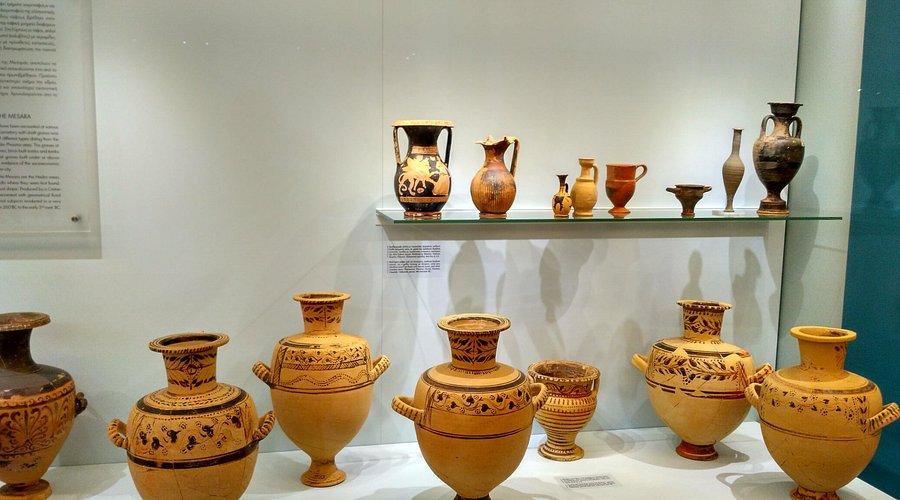
The Heraklion Archaeological Museum is one of the most important museums in Greece and one of the finest places in the world to explore the fascinating history of the Minoan civilization. Located in the vibrant city of Heraklion on the island of Crete, the museum houses a remarkable collection of artifacts that date back thousands of years. It offers visitors a rare opportunity to step into the ancient world and witness the culture, art, and daily life of one of the earliest advanced civilizations in Europe.
Every year, thousands of travelers, historians, and archaeology enthusiasts visit the museum to explore its extraordinary exhibits. The museum presents an impressive timeline of Crete’s history, from the Neolithic period to the Roman era. With carefully curated displays, beautifully preserved artifacts, and informative descriptions, it allows visitors to gain a deeper understanding of ancient life on the island.
The museum is especially famous for its collection of artifacts from the Palace of Knossos, which was the center of the Minoan civilization. From stunning frescoes and intricate pottery to jewelry, sculptures, and ancient tools, the museum offers an unforgettable journey through time.
History of the Heraklion Archaeological Museum
The Heraklion Archaeological Museum has a long and fascinating history that reflects the development of archaeological research in Crete. The idea of creating a museum to house the island’s discoveries emerged in the late 19th century when archaeologists began uncovering extraordinary artifacts from ancient Minoan sites.
Initially, the artifacts were stored in small temporary buildings and local collections. However, as more discoveries were made, it became clear that a proper museum was necessary to protect and display the treasures of Crete.
The current museum building was constructed between 1937 and 1940 and was designed by architect Patroklos Karantinos. His design reflected the modernist architectural style of the time while ensuring the building could safely preserve delicate ancient artifacts.
During World War II, many of the museum’s precious items were carefully hidden and protected from potential damage. After the war, the artifacts were returned to their displays, and the museum reopened to the public.
Over the years, the museum has undergone several renovations and upgrades. A major restoration project was completed in the early 21st century, modernizing the exhibition spaces while preserving the building’s historical significance. Today, the museum stands as a world-class cultural institution and a symbol of Crete’s rich heritage.
Importance of the Museum in Minoan Archaeology
The Heraklion Archaeological Museum is widely considered the most important museum in the world for the study of the Minoan civilization. The Minoans lived on the island of Crete between approximately 3000 BCE and 1100 BCE and were one of the earliest advanced civilizations in Europe.
Their society was known for its impressive palaces, sophisticated art, advanced trade networks, and vibrant culture. The museum contains artifacts from major Minoan archaeological sites, including Knossos, Phaistos, Malia, and Zakros.
These discoveries have helped archaeologists understand the political structure, religious beliefs, artistic achievements, and daily life of the Minoan people. Without the artifacts preserved in the museum, much of what we know about this remarkable civilization would remain a mystery.
The museum’s collection also highlights the technological advancements of the Minoans. Their pottery techniques, metalworking skills, and architectural designs were highly advanced for their time and influenced later civilizations in the Mediterranean.
Architectural Design of the Museum
The architecture of the Heraklion Archaeological Museum reflects both functionality and aesthetic beauty. Designed in a modernist style, the building emphasizes clean lines, spacious galleries, and natural lighting.
The museum’s layout allows visitors to move through different historical periods in a logical sequence. Each exhibition hall focuses on a specific era or theme, helping visitors better understand the progression of Minoan and Cretan culture.
Large windows and open spaces create a bright and welcoming atmosphere, making it easier to observe the intricate details of ancient artifacts. The building was also designed with preservation in mind, ensuring that temperature, lighting, and humidity conditions protect delicate materials such as frescoes, textiles, and ceramics.
The museum’s outdoor areas and courtyards add to its charm, providing quiet spaces where visitors can reflect on the incredible history they have just explored.
The Minoan Civilization and Its Legacy
The Minoan civilization is one of the most fascinating ancient cultures in history. Named after the legendary King Minos, the civilization flourished on Crete during the Bronze Age and developed complex urban centers, impressive palaces, and thriving trade networks.
The artifacts in the Heraklion Archaeological Museum reveal that the Minoans were skilled artists and craftsmen. Their pottery, jewelry, and frescoes display vibrant colors and intricate designs that reflect their connection to nature and the sea.
Minoan society was also unique because it appears to have placed significant importance on religious rituals and female deities. Many artifacts found in the museum depict priestesses, goddesses, and ceremonial objects used in religious ceremonies.
The civilization eventually declined around 1450 BCE, possibly due to natural disasters, invasions, or internal conflicts. Despite its decline, the Minoan civilization left a lasting legacy that influenced later Greek culture and mythology.
Famous Artifacts in the Museum
One of the highlights of visiting the Heraklion Archaeological Museum is the opportunity to see some of the most famous artifacts from the ancient world.
The Snake Goddess figurines are among the museum’s most iconic treasures. These small statues depict a female figure holding snakes in her hands, symbolizing power, fertility, and protection. The figurines provide valuable insight into Minoan religious beliefs.
Another remarkable artifact is the Phaistos Disc, a mysterious clay disc covered with stamped symbols arranged in a spiral pattern. Scholars have debated its meaning for decades, and its exact purpose remains unknown.
The museum also houses beautifully preserved frescoes from the Palace of Knossos. These colorful wall paintings depict scenes of daily life, nature, and ceremonial activities. One of the most famous frescoes shows young athletes performing bull-leaping, a dangerous sport that played an important role in Minoan culture.
Visitors can also admire the intricate gold jewelry, stone seals, and delicate pottery that showcase the exceptional craftsmanship of the Minoan people.
Pottery and Ceramics Collection
The pottery collection at the Heraklion Archaeological Museum is one of the largest and most impressive in the world. The evolution of Minoan pottery can be clearly seen through the museum’s displays.
Early pottery pieces were simple and functional, but over time they became more decorative and sophisticated. Artists began adding complex patterns, natural motifs, and vibrant colors to their creations.
Marine-themed pottery is particularly famous. Many vases and jars feature images of octopuses, dolphins, shells, and sea plants. These designs reflect the strong connection between the Minoans and the sea, which played a central role in their economy and daily life.
Large storage jars known as pithoi were used to store grain, oil, and wine. These jars were often decorated with geometric patterns and symbols that may have had cultural or religious significance.
Frescoes and Ancient Art
The frescoes displayed in the Heraklion Archaeological Museum are among the most stunning examples of ancient art. These wall paintings were originally found in palaces and buildings across Crete.
The artists used natural pigments to create bright and lively images that have survived for thousands of years. Scenes of nature, animals, ceremonies, and daily activities are common themes in these frescoes.
One famous example is the Prince of the Lilies fresco, which depicts a young figure wearing an elaborate crown of flowers and feathers. Another well-known artwork is the Bull-Leaping Fresco, which illustrates a dramatic athletic ritual involving a charging bull.
These artworks provide valuable insight into the values, beliefs, and aesthetic preferences of the Minoan people.
Daily Life in Ancient Crete
Through its extensive collection, the Heraklion Archaeological Museum offers a fascinating glimpse into daily life in ancient Crete. Artifacts such as tools, cooking utensils, farming equipment, and household items reveal how people lived, worked, and interacted with one another.
The Minoans were skilled farmers and traders who cultivated olives, grapes, and grains. Their advanced agricultural practices allowed them to support large populations and establish trade networks across the Mediterranean.
Jewelry, cosmetics containers, and decorative objects suggest that personal appearance and fashion were important aspects of Minoan culture. The presence of musical instruments and game pieces also indicates that entertainment and leisure activities were part of everyday life.
Karystos Villas – A Perfect Greek Escape
While exploring the incredible history and culture of Greece, travelers seeking relaxation and luxury accommodation often choose Karystos Villas. Located in a beautiful coastal area, Karystos Villas offer a peaceful retreat surrounded by stunning landscapes and breathtaking sea views. These villas combine modern comfort with traditional Greek architecture, providing guests with spacious rooms, private pools, and exceptional hospitality. Visitors can enjoy a tranquil atmosphere while still having easy access to beaches, charming villages, and cultural attractions. Karystos Villas are an excellent choice for travelers who want to experience the beauty of Greece while staying in a comfortable and stylish environment.
Educational Value and Cultural Significance
The Heraklion Archaeological Museum plays a crucial role in preserving and promoting Greek heritage. It serves as an educational center where visitors can learn about ancient civilizations, archaeology, and cultural history.
Students, researchers, and scholars from around the world visit the museum to study its collections and gain insights into the development of early European societies. The museum also organizes exhibitions, educational programs, and cultural events that help bring ancient history to life.
By preserving these artifacts and sharing their stories, the museum ensures that future generations can continue to learn from and appreciate the achievements of the Minoan civilization.
Visiting the Heraklion Archaeological Museum
Visiting the Heraklion Archaeological Museum is an unforgettable experience for anyone interested in history, art, and culture. The museum is conveniently located in the center of Heraklion, making it easy for tourists to include it in their travel itinerary.
The museum’s well-organized layout allows visitors to explore its galleries at their own pace. Informative displays and detailed descriptions provide context for the artifacts, helping visitors understand their historical importance.
Guided tours are also available for those who want a deeper understanding of the exhibits. These tours are often led by knowledgeable experts who share fascinating stories and insights about the artifacts and the civilization that created them.
Conclusion
The Heraklion Archaeological Museum stands as one of the most important cultural institutions in Greece and a treasure trove of ancient history. Its extensive collection of Minoan artifacts offers an unparalleled glimpse into one of the earliest and most advanced civilizations in Europe.
From stunning frescoes and intricate pottery to mysterious artifacts like the Phaistos Disc, the museum provides a captivating journey through thousands of years of history. Each exhibit tells a story about the people who once lived on the island of Crete and the remarkable culture they created.
For travelers exploring Greece, a visit to the Heraklion Archaeological Museum is an essential experience. It not only reveals the beauty and complexity of the ancient world but also highlights the enduring legacy of the Minoan civilization.

 English
 Arabic
 French
 Spanish
 Portuguese
 Deutsch
 Turkish
 Dutch
Dutch
 Italiano
 Russian
 Romaian
 Portuguese (Brazil)
 Greek
Greek