
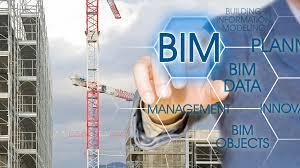
Dubai’s construction sector is known for its speed, scale, and ambition. From record-breaking skyscrapers to technologically advanced smart communities, the city continues to push global boundaries in design and innovation. To achieve this level of precision and efficiency, modern construction projects rely heavily on Building Information Modeling (BIM). At the heart of this digital workflow is one critical role: the BIM Coordinator. In Dubai’s fast-paced construction ecosystem, a skilled BIM Coordinator is no longer optional but essential.
The Growing Complexity of Dubai’s Construction Projects
Dubai’s architectural landscape is rapidly evolving, with mixed-use towers, luxury hotels, mega malls, and innovative residential communities requiring highly detailed design and coordination. As projects become more intricate, the mechanical, electrical, and plumbing (MEP) systems, structural components, and architectural elements must integrate seamlessly. A skilled BIM Coordinator ensures that every discipline works within a unified digital model, preventing conflicts and maintaining accuracy throughout the project lifecycle.
Ensuring Seamless Multidisciplinary Coordination
One of the primary responsibilities of a BIM Coordinator is managing collaboration among architects, engineers, MEP professionals, contractors, and consultants. In traditional workflows, coordination errors often go unnoticed until late in the construction phase, causing delays and expensive rework. A BIM Coordinator streamlines communication by ensuring that all stakeholders work on updated and synchronized models. This coordination is particularly valuable in Dubai, where tight timelines and high project expectations leave little room for errors or delays.
Reducing On-Site Clashes and Costly Rework
Clash detection is one of the most powerful capabilities of BIM. A BIM Coordinator uses advanced software tools to identify clashes between systems such as HVAC ducts, cable trays, beams, and plumbing lines before work begins on-site. In Dubai’s large-scale projects, even a small clash can lead to significant cost overruns due to the complexity of the infrastructure. The BIM Coordinator ensures that these issues are resolved during the design phase, saving both time and money for developers and contractors.
Enhancing Project Efficiency and Workflow
Dubai’s construction market demands rapid execution without compromising quality. BIM Coordinators help maintain efficiency by standardizing workflows, enforcing modeling guidelines, and managing file structures. They ensure that every team member follows the same standards, leading to faster design revisions, smoother collaboration, and more accurate project documentation. With proper BIM coordination, project teams in Dubai can deliver projects faster and more efficiently, supporting the city’s pace of development.
Improving Accuracy in Construction Documentation
Accurate documentation is essential for obtaining approvals from Dubai’s regulatory authorities and avoiding disputes during construction. BIM Coordinators help generate precise drawings, schedules, and quantities directly from the BIM model. This reduces manual errors and ensures consistency across all documents. Whether it’s drawing approvals for mechanical rooms or detailed layouts for electrical systems, a skilled BIM Coordinator enhances accuracy and compliance with local standards.
Supporting Sustainability and Energy Efficiency Goals
Dubai is increasingly focused on sustainable development, with green building regulations such as Dubai Green Building Regulations and Estidama influencing project requirements. BIM Coordinators play a crucial role in supporting sustainability goals by enabling energy modeling, reducing material waste, and optimizing system performance. Through accurate BIM data, they help design teams select energy-efficient equipment, optimize HVAC design, and improve water management systems, aligning projects with Dubai’s environmental objectives.
Facilitating Smooth Communication Between Stakeholders
Clear communication is vital in large construction teams, especially in Dubai where international professionals from various backgrounds collaborate on complex projects. A BIM Coordinator acts as the central point of communication for all BIM-related tasks. They ensure that changes in one part of the model are communicated to all relevant teams, preventing misunderstandings and project delays. Their role supports smooth collaboration across diverse teams, making them indispensable to modern construction workflows.
Ensuring Compliance With Dubai’s BIM Standards
Dubai authorities and major developers increasingly require BIM as part of project specifications. Government entities and large real estate companies often mandate Level 2 or Level 3 BIM workflows for coordination, asset management, and facility operations. BIM Coordinators ensure that project teams comply with these requirements by managing model standards, documentation procedures, and data deliverables. Their expertise ensures adherence to Dubai’s evolving BIM guidelines and industry expectations.
Central Role in Digital Transformation of Construction
Dubai is moving toward smart construction methods, integrating technologies like digital twins, IoT-driven building management, and automated progress tracking. BIM serves as the foundation for this digital transformation, and the BIM Coordinator is the key professional who connects traditional construction practices with digital processes. Their role extends beyond modeling—they help implement new technologies, integrate project data, and support the digital handover of assets for future facility management.
Improving Facility Management and Post-Construction Efficiency
Once construction is completed, the BIM model becomes a digital asset for facility managers. A skilled BIM Coordinator ensures that the model is organized, accurate, and rich with information about MEP systems, materials, equipment specifications, and maintenance schedules. Dubai’s property developers and facility management firms benefit greatly from this organized data, enabling efficient operations, reduced downtime, and long-term cost savings. BIM Coordinators make the digital handover process smooth and reliable.
Reducing Risks and Improving Project Predictability
In a competitive construction market like Dubai, risk management is essential. A BIM Coordinator helps reduce uncertainties by ensuring that the project team has access to accurate and updated information at all times. Through clash detection, regular model audits, and design reviews, they help teams anticipate issues early. This minimizes risks related to delays, cost overruns, design errors, and rework. As a result, developers gain greater predictability and control over their project outcomes.
Essential for Maintaining Quality in High-End Dubai Projects
Dubai’s construction market emphasizes luxury, innovation, and world-class quality. Projects such as high-rise towers, 5-star hotels, mega malls, and luxury residential communities require exceptional attention to detail. A BIM Coordinator plays a vital role in maintaining quality by enforcing modeling standards, tracking design updates, and ensuring that all MEP, architectural, and structural systems are coordinated seamlessly. Their oversight contributes directly to delivering projects that reflect Dubai’s high expectations and international quality standards.
Conclusion
As Dubai continues to lead in global construction innovation, the importance of a skilled BIM Coordinator becomes even more evident. They ensure multidisciplinary coordination, reduce rework, enhance efficiency, support sustainability goals, and maintain compliance with local standards. Their role bridges the gap between traditional construction workflows and modern digital practices, making them essential for delivering successful, high-quality, and future-ready projects in Dubai. For any modern construction project aiming for accuracy, efficiency, and excellence, a skilled BIM Coordinator is not just valuable— they are indispensable.

 English
 Magyar
 Arabic
 French
 Spanish
 Portuguese
 Deutsch
 Turkish
 Dutch
Dutch
 Italiano
 Romaian
 Portuguese (Brazil)
 Greek
Greek