
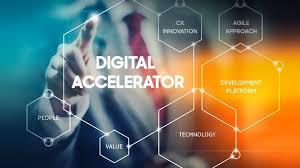
Dubai has rapidly established itself as a global business hub, known for its innovation, technological adoption, and forward-thinking strategies. In recent years, the city has embraced digital transformation at an unprecedented pace, with businesses across sectors leveraging technology to streamline operations, improve customer experiences, and enhance overall efficiency. At the heart of this shift is digital acceleration, a concept that goes beyond traditional digital transformation by fast-tracking the adoption and integration of digital technologies across every aspect of business operations.
Understanding Digital Acceleration
Digital acceleration refers to the rapid adoption of digital technologies to drive business growth, efficiency, and competitiveness. Unlike gradual digital transformation, which may occur over years, digital acceleration emphasizes speed, agility, and immediate results. It involves deploying tools such as artificial intelligence (AI), cloud computing, automation, big data analytics, and Internet of Things (IoT) solutions to create smarter, more responsive business environments.
In Dubai, digital acceleration is not just a trend but a strategic necessity. The city’s vision to become a global leader in smart cities and innovation, as outlined in initiatives like Smart Dubai, requires businesses to adapt quickly to evolving digital ecosystems. Organizations that embrace digital acceleration can gain a competitive edge, improve customer satisfaction, and position themselves for long-term success.
Driving Factors Behind Digital Acceleration in Dubai
Several factors have fueled digital acceleration in Dubai. First, government initiatives and policies have strongly promoted technology adoption. Programs such as Dubai Smart City, the Dubai Blockchain Strategy, and the UAE Artificial Intelligence Strategy encourage businesses to implement digital solutions, innovate processes, and leverage data-driven decision-making.
Second, customer expectations in Dubai have evolved significantly. Tech-savvy consumers now demand seamless, personalized experiences across online and offline channels. Businesses that fail to respond risk losing relevance in a highly competitive market. Digital acceleration allows companies to meet these expectations by integrating AI-driven analytics, e-commerce platforms, and omnichannel strategies.
Third, the COVID-19 pandemic accelerated the need for businesses to adopt digital solutions. Remote work, online services, and contactless transactions became essential, prompting organizations to rethink traditional workflows and accelerate their digital initiatives. This momentum continues to influence how Dubai’s businesses approach technology adoption and operational efficiency.
Impact on Operational Efficiency
One of the most significant benefits of digital acceleration is its impact on operational efficiency. By automating repetitive tasks, optimizing workflows, and leveraging data analytics, businesses in Dubai can streamline processes and reduce costs. For example, AI-powered systems can analyze large volumes of data to identify trends, predict demand, and optimize inventory management in retail and logistics sectors.
In manufacturing, digital acceleration enables predictive maintenance, real-time monitoring, and smart production planning. This not only minimizes downtime but also improves resource utilization and enhances product quality. For service-oriented industries, such as hospitality and finance, automation tools help reduce human error, accelerate transaction times, and improve service delivery, ultimately boosting customer satisfaction.
Enhancing Customer Experience
Digital acceleration also transforms how businesses engage with their customers. In Dubai, where competition is fierce and customer expectations are high, companies are using digital tools to provide personalized, efficient, and seamless experiences. AI-driven chatbots, virtual assistants, and CRM systems allow businesses to interact with customers 24/7, addressing inquiries, providing recommendations, and resolving issues instantly.
Additionally, data analytics and machine learning enable businesses to gain deep insights into customer behavior, preferences, and purchasing patterns. These insights allow companies to tailor marketing strategies, offer personalized promotions, and deliver targeted content. In sectors such as e-commerce, hospitality, and retail, these capabilities are crucial for building loyalty and maintaining a competitive edge.
Accelerating Innovation
Digital acceleration fosters a culture of innovation within organizations. By adopting advanced technologies and agile methodologies, businesses in Dubai can experiment with new products, services, and business models more rapidly. Cloud-based platforms and collaborative digital tools facilitate faster prototyping, testing, and deployment, reducing the time from concept to market.
Startups and established enterprises alike benefit from this approach. In Dubai’s thriving tech ecosystem, companies leveraging digital acceleration can quickly adapt to market demands, launch innovative solutions, and gain a first-mover advantage. The city’s focus on innovation, combined with access to global talent and resources, creates an environment where digital acceleration drives continuous improvement and competitiveness.
Data-Driven Decision Making
At the core of digital acceleration is data. Businesses that harness the power of real-time analytics and big data gain actionable insights that inform strategic decision-making. In Dubai, companies are increasingly using data to optimize operations, forecast trends, and identify new growth opportunities.
For instance, in the retail sector, businesses analyze customer purchasing patterns to predict demand and optimize inventory levels. In the financial sector, predictive analytics help identify potential risks, detect fraud, and improve investment strategies. By making decisions based on accurate and timely data, businesses can reduce uncertainty, respond to market changes more effectively, and achieve better outcomes.
Digital Acceleration in Key Industries in Dubai
Dubai’s diverse economy benefits from digital acceleration across multiple sectors. In real estate and construction, digital technologies like BIM (Building Information Modelling) and IoT-enabled smart buildings improve project management, enhance collaboration, and optimize resource usage.
In logistics and supply chain management, digital acceleration enhances tracking, reduces delays, and improves efficiency through AI-powered route optimization and automated warehousing systems. Retailers leverage e-commerce platforms, digital payment solutions, and AI-driven personalization to enhance customer engagement and increase sales. Even government services are becoming more digital, with platforms offering e-governance, online licensing, and smart city services that simplify interactions for businesses and residents alike.
Challenges in Implementing Digital Acceleration
Despite its benefits, digital acceleration presents challenges. One significant hurdle is the need for skilled talent capable of implementing and managing advanced technologies. Dubai’s businesses must invest in training, upskilling, and attracting experts in AI, data analytics, cybersecurity, and cloud computing.
Cybersecurity is another critical concern. As organizations adopt digital platforms, they become more vulnerable to cyber threats. Ensuring robust security measures, compliance with regulations, and safeguarding customer data are essential for sustaining trust and preventing disruptions.
Finally, digital acceleration requires a cultural shift. Organizations must embrace change, encourage innovation, and foster collaboration between IT teams and business units. Resistance to change or lack of alignment between departments can slow down the digital acceleration process and limit its effectiveness.
The Future of Digital Acceleration in Dubai
Looking ahead, digital acceleration in Dubai is expected to grow even more rapidly. Emerging technologies such as artificial intelligence, blockchain, augmented reality, and the Internet of Things will further transform how businesses operate and interact with customers. Companies that proactively adopt these technologies will gain a strategic advantage, while those that delay may struggle to remain competitive.
Government initiatives, smart city projects, and the city’s commitment to innovation will continue to create opportunities for businesses to accelerate digitally. Dubai’s strategic location, robust infrastructure, and global connectivity make it an ideal environment for companies to implement cutting-edge digital solutions and drive growth.
Conclusion
Digital acceleration is reshaping the business landscape in Dubai, enabling organizations to operate more efficiently, deliver superior customer experiences, and innovate continuously. By leveraging technologies such as AI, cloud computing, automation, and data analytics, businesses can gain actionable insights, streamline operations, and achieve faster results.
The city’s proactive approach to technology adoption, coupled with its dynamic business environment, provides the perfect platform for digital acceleration to thrive. Companies that embrace this fast-paced digital transformation will not only enhance competitiveness but also position themselves as leaders in Dubai’s ever-evolving economy. In a world where speed, agility, and innovation define success, digital acceleration is no longer optional—it is essential.

 English
 Magyar
 Arabic
 French
 Spanish
 Portuguese
 Deutsch
 Dutch
Dutch
 Italiano
 Russian
 Romaian
 Portuguese (Brazil)
 Greek
Greek