
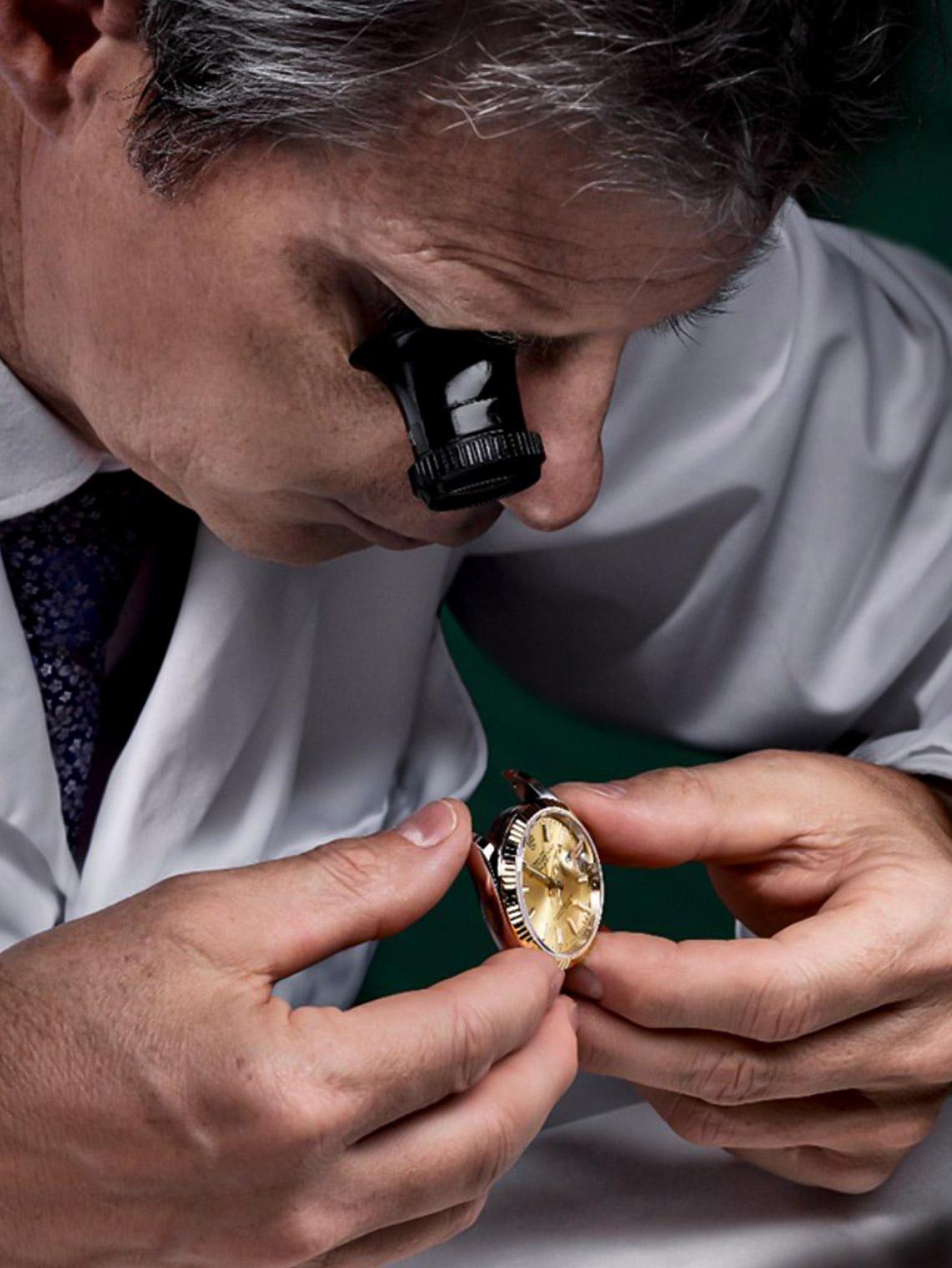
Luxury watches are more than instruments that tell time — they’re finely tuned machines, expressions of design and craftsmanship, and often family heirlooms. When something goes wrong, the way you repair a high-end timepiece matters. A careless fix can cost you performance, appearance and even resale value; a thoughtful repair restores function while protecting the watch’s story. This guide walks through what “luxury watch repair” really means, what commonly needs attention, how to choose parts and a repair partner, and how to keep your investment running and looking its best.
Why luxury watch repair is different
Luxury watch movements are engineered to microscopic tolerances. Brands spend decades refining materials, geometry, and finishing. Components — from hairsprings and escape wheels to crowns and crystals — are often proprietary, hand-finished, or manufactured to exacting standards. That means a cheap, generic replacement can upset timing, compromise water resistance, or change the way a watch looks and feels. Repairing a luxury watch requires both technical skill and a respect for provenance: replacing a part correctly (or documenting when it’s impossible) preserves the watch’s integrity for the current owner and future buyers.
Common luxury watch repairs
Some repairs are routine; others are complex. Typical work includes:
-
Battery replacement and reseal (quartz watches): straightforward but should include pressure testing if the watch is water-rated.
-
Movement servicing (mechanical watches): disassembly, cleaning, lubrication, adjustment and replacement of worn components — the heart of long-term reliability.
-
Crystal replacement: sapphire, mineral or acrylic crystals can chip or scratch; replacement restores clarity and protection.
-
Crown and stem replacement: a worn or damaged crown can prevent winding or invite moisture.
-
Gaskets and seals: rubber and silicone degrade; replacing seals preserves water resistance.
-
Bracelet and clasp work: pins, screws, endlinks and clasps wear with use and affect comfort and security.
-
Dial, hands and case restorations: delicate work that often requires specialist skills, especially for vintage pieces.
OEM parts vs high-quality alternatives
When possible, original equipment manufacturer (OEM) parts are the best choice for luxury watches. They maintain factory tolerances and provenance. However, in some vintage or discontinued models OEM parts may be unobtainable. In those cases, high-quality, expertly fitted alternatives or refurbished parts can be acceptable — but only when chosen and installed by an experienced specialist who documents the substitution. Always insist on transparency: if non-OEM parts are used, it should be recorded in the service paperwork.
Choosing the right repairer
Picking a repair shop is the single most important decision after the watch itself. Look for:
-
Proven experience with the brand and movement type. Not every watchmaker is equally familiar with every manufacturer.
-
Clear, written estimates that separate parts from labor and explain what’s necessary versus optional.
-
Proper equipment: timing machines, ultrasonic cleaners, pressure testers and a clean workbench are basics for rigorous work.
-
Warranties on parts and labor — quality shops stand behind their work.
-
Documentation: before-and-after photos and a list of replaced parts add to provenance and future serviceability.
-
Reviews and referrals from collectors or dealers. Word-of-mouth still matters in a craft-based trade.
For new watches still under manufacturer warranty or owners who prioritize absolute brand provenance, an authorized service center is the safest route. For vintage pieces, rare references, or custom restoration work, a respected independent master watchmaker often provides the necessary expertise and flexibility.
Vintage watches: preserve the story
Vintage luxury watches often derive value from original dials, hands and a natural patina. Many collectors prefer conserving the original character over aggressive restoration. If you own a vintage piece, choose a specialist who understands conservation: stabilizing a dial, repairing movement components without erasing historic evidence, and sourcing period-correct parts where replacement is unavoidable.
Cost expectations and transparency
Repair costs range from modest to substantial. Battery and gasket replacements are inexpensive; a full movement overhaul with parts replacement is more expensive. Always request a written estimate and ask for alternatives when available (for example, reseal and pressure test vs full service). Beware unusually low quotes for complex work — high-grade parts and skilled labor cost money.
Practical maintenance tips
-
Service intervals: mechanical luxury watches typically benefit from servicing every 3–7 years depending on use and environment.
-
Avoid DIY major repairs: tiny springs and screws are easy to lose; improper sealing invites moisture.
-
Rinse and check after water exposure: if a watch has been submerged in saltwater, a prompt rinse and seal inspection limit corrosion risk.
-
Keep service records: receipts, part lists and returned replaced parts help maintain provenance.
-
Store properly: avoid extreme temperatures and magnetism; keep leather straps away from moisture and sunlight.
Red flags to avoid
-
Vague estimates or refusal to document work.
-
No pressure-testing for water-resistant watches.
-
Reluctance to show replaced parts or before/after photos.
-
Sudden, very low quotes for complex restorations.
-
Pressure to allow heavy polishing without explaining the impact on case lines and value.
Why documentation matters
Transparent documentation — photographs, a parts list, and a clear invoice — does more than satisfy curiosity. It preserves the watch’s service history, demonstrates authenticity to future buyers, and gives subsequent technicians the context they need. If non-OEM parts are used, note that clearly; honesty protects both owner and technician in the long run.
A trusted partner for luxury watch repair
If you’re searching for expert care that balances technical excellence with respect for provenance, consider entrusting your timepiece to a specialist with documented experience in luxury and vintage watch repair. AG Watch Repair is a dedicated service that emphasizes careful diagnostics, transparent estimates, and thorough documentation. They handle everything from routine reseals and battery changes to complex movement overhauls and vintage restorations, and they prioritize sourcing and fitting the right parts for each job. For more information or to reach them directly, enter agwatchrepair.com.hk in your browser.
Final thoughts
Luxury watch repair is an investment in longevity. The right repair — done with OEM or properly vetted parts, by technicians who understand both mechanics and provenance — restores function while protecting value. Regular maintenance, careful handling, and choosing a trusted repair partner keep your watch not just telling the time but telling your story, generation after generation.

 English
 Magyar
 French
 Spanish
 Portuguese
 Deutsch
 Turkish
 Dutch
Dutch
 Italiano
 Russian
 Romaian
 Portuguese (Brazil)
 Greek
Greek