
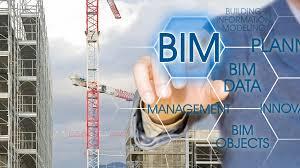
In the fast-paced construction industry, project delays and errors can be costly and damaging to a company’s reputation. In the UAE, where the construction sector is booming with high-rise towers, complex infrastructure, and innovative architectural projects, precision, coordination, and efficiency are more important than ever. Building Information Modelling (BIM) has become an indispensable tool in modern construction, and the role of a BIM Coordinator is central to ensuring that projects run smoothly. Companies like AEC7D are leading the way in implementing BIM coordination strategies that minimize errors, streamline workflows, and prevent costly delays.
Understanding the Role of a BIM Coordinator
A BIM Coordinator acts as the bridge between design, engineering, and construction teams, ensuring that all digital models and project data are accurate, up-to-date, and aligned with project requirements. Unlike a BIM Manager, who oversees the overall BIM strategy, the BIM Coordinator focuses on day-to-day model management, clash detection, and collaboration between disciplines. Their responsibilities include reviewing 3D models, ensuring compliance with standards, coordinating information among architects, engineers, and contractors, and maintaining the integrity of the project’s digital twin.
In the UAE, where projects such as skyscrapers, mixed-use developments, and large-scale infrastructure demand high levels of coordination, the BIM Coordinator plays a vital role in managing the flow of information across multiple stakeholders. By ensuring that every team member has access to accurate, coordinated data, they reduce the likelihood of errors that can lead to rework, delays, or budget overruns.
Preventing Design Conflicts Through Clash Detection
One of the most significant contributions of a BIM Coordinator is clash detection. In complex projects, multiple systems—structural, mechanical, electrical, plumbing, and façade—must coexist within the same physical space. Conflicts between these systems, if not identified early, can lead to costly modifications during construction.
Using BIM software, the coordinator can run clash detection processes to identify and resolve conflicts in the digital model before construction begins. This proactive approach reduces errors, avoids rework, and ensures that all disciplines are integrated effectively. In the UAE, where construction timelines are often tight and the cost of labor and materials is high, resolving conflicts virtually saves significant time and money. AEC7D implements comprehensive clash detection strategies that help project teams identify issues early, streamlining the entire construction process.
Enhancing Communication and Collaboration
Errors and delays in construction projects often stem from poor communication. A BIM Coordinator ensures that all project stakeholders have access to the same information and are working from a single source of truth. By maintaining a centralized model and updating it regularly, they prevent misunderstandings and misalignment between teams.
Collaboration platforms integrated with BIM allow real-time updates and notifications when changes occur. For example, if an architect updates a floor plan, the BIM Coordinator ensures that structural and MEP teams are informed immediately, allowing them to adjust their models accordingly. This level of coordination is particularly crucial in the UAE, where projects often involve multiple international teams, contractors, and subcontractors. AEC7D’s BIM coordination services facilitate seamless communication, reducing the risk of errors caused by outdated or conflicting information.
Supporting Accurate Project Scheduling
Delays are a common challenge in construction projects. A BIM Coordinator helps mitigate these delays by supporting accurate project scheduling. Through 4D BIM, which integrates time-related data with 3D models, coordinators can simulate the construction sequence, identify potential bottlenecks, and optimize workflows.
By visualizing the construction schedule within the digital model, project teams can anticipate challenges, plan resources effectively, and ensure that tasks are completed in the correct order. This proactive approach reduces delays caused by misaligned work or late deliveries. In the UAE, where construction projects often operate on tight schedules to meet investor and regulatory expectations, such precise planning is essential. AEC7D utilizes advanced 4D BIM techniques to ensure that project timelines are realistic and achievable, reducing the risk of costly overruns.
Ensuring Compliance with Standards and Regulations
Construction projects in the UAE must adhere to strict building codes, safety standards, and quality regulations. A BIM Coordinator plays a crucial role in ensuring compliance by verifying that models meet local and international standards, including structural, mechanical, electrical, and environmental requirements.
This reduces errors caused by non-compliance and minimizes delays that could arise from regulatory inspections or approval processes. Coordinators also ensure that documentation, such as drawings, schedules, and reports, is accurate and accessible, making regulatory review more efficient. AEC7D’s BIM coordination services include compliance verification, ensuring that projects not only meet design intent but also adhere to all necessary regulations.
Facilitating Accurate Quantity Take-Offs and Cost Management
Cost overruns often result from inaccurate quantity take-offs or miscalculations in material requirements. BIM Coordinators help reduce errors by maintaining accurate digital models that reflect the true scope of work. Using 5D BIM, coordinators can extract quantities, calculate costs, and track changes in real time.
Accurate quantity take-offs prevent material shortages, reduce waste, and allow project managers to control budgets more effectively. In the UAE, where material costs can be high and supply chains complex, this level of accuracy is critical. AEC7D integrates cost management into their BIM coordination process, ensuring that projects are both efficient and financially predictable.
Improving Quality Control
Quality issues can lead to rework and project delays. By maintaining an up-to-date, coordinated model, a BIM Coordinator helps improve quality control throughout the project lifecycle. They ensure that designs are accurately translated into construction and that every component is built according to specifications.
Additionally, BIM Coordinators monitor design changes and verify that updates do not compromise quality. In the UAE, where construction standards are exceptionally high, this attention to detail ensures that projects are delivered with precision, reducing the likelihood of costly corrections during construction. AEC7D emphasizes quality assurance as part of their BIM coordination services, enhancing overall project outcomes.
Enabling Risk Management
Construction projects inherently carry risks, from design errors to delays and safety hazards. A BIM Coordinator supports risk management by providing a clear, integrated view of the project. They can identify potential problem areas, simulate construction sequences, and recommend adjustments before issues occur on-site.
This predictive capability is particularly valuable in large-scale UAE projects, where any delay can have significant financial and operational impacts. By mitigating risks early, coordinators help project teams avoid errors, maintain schedules, and deliver projects on time. AEC7D’s approach to BIM coordination includes risk analysis and proactive issue resolution, ensuring that projects remain on track.
Conclusion
BIM Coordinators are essential in reducing errors and preventing delays in construction projects. By managing digital models, ensuring collaboration, detecting clashes, supporting scheduling, maintaining compliance, facilitating cost management, and improving quality control, they create a more efficient and predictable construction process. In the UAE, where projects are complex, timelines are tight, and expectations are high, the role of a BIM Coordinator is indispensable. Companies like AEC7D are leading the industry in providing expert BIM coordination services that help construction teams deliver projects accurately, on time, and within budget. By integrating advanced technology, expertise, and proactive management, BIM Coordinators ensure that modern construction projects achieve the highest standards of efficiency, quality, and reliability.

 English
 Magyar
 Arabic
 French
 Spanish
 Portuguese
 Deutsch
 Turkish
 Dutch
Dutch
 Italiano
 Russian
 Romaian
 Portuguese (Brazil)