
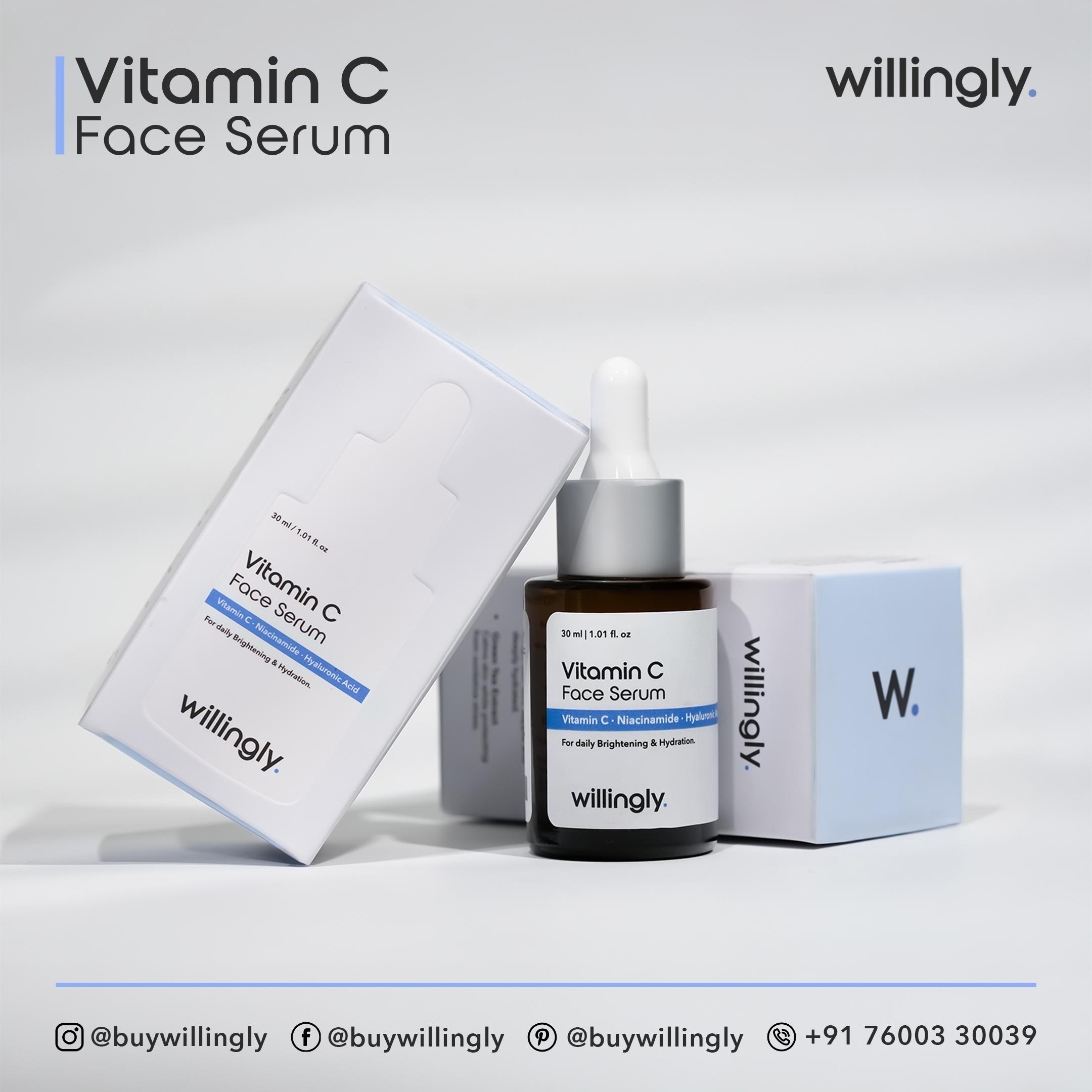
Introduction to Vitamin C in Skincare
Glowing skin isn’t magic—it’s science, consistency, and the right ingredients. If skincare had a hall of fame, Vitamin C would sit right at the top. It’s one of those rare ingredients that actually does what it promises. Brightening? Yes. Anti-aging? Absolutely. Protection? You bet.
Let’s break down everything you need to know about Vitamin C and how it can transform your skin from dull to dazzling.
What Is Vitamin C?
Vitamin C, also known as ascorbic acid, is a powerful antioxidant naturally found in fruits like oranges, lemons, and berries. In skincare, it’s formulated to penetrate the skin and work at a cellular level to repair, protect, and brighten.
Why Vitamin C Is a Skincare Superstar
Think of Vitamin C as your skin’s bodyguard. It fights free radicals, boosts collagen, and keeps your skin looking fresh and youthful. Few ingredients multitask like this one.
How Vitamin C Works on Skin
Antioxidant Power Explained
Every day, your skin battles pollution, UV rays, and stress. Vitamin C neutralizes free radicals before they damage your skin. It’s like putting your skin in invisible armor.
Collagen Boosting Benefits
Collagen keeps skin firm and bouncy. As we age, collagen production slows down. Vitamin C signals your skin to produce more collagen, helping reduce fine lines and sagging.
Brightening and Even Skin Tone
Uneven skin tone? Dark spots? Vitamin C interrupts melanin production, making your skin brighter and more even over time.
Benefits of Vitamin C for Glowing Skin
Reduces Dullness and Fatigue
If your skin looks tired even after a full night’s sleep, Vitamin C brings it back to life. It enhances radiance almost like flipping a switch.
Fades Dark Spots and Pigmentation
Sun spots, acne scars, and pigmentation don’t stand a chance. With consistent use, Vitamin C visibly lightens discoloration.
Improves Skin Texture
Rough patches and uneven texture gradually smooth out, giving your skin that soft, glass-like finish.
Protects Against Environmental Damage
While it’s not a replacement for sunscreen, Vitamin C boosts your skin’s defense against UV-induced damage.
Different Types of Vitamin C Used in Skincare
L-Ascorbic Acid
The purest and most potent form. It delivers fast results but may irritate sensitive skin.
Sodium Ascorbyl Phosphate
A gentler option, great for acne-prone and sensitive skin.
Magnesium Ascorbyl Phosphate
Hydrating and soothing, ideal for dry skin types.
Ascorbyl Glucoside
A stable form that works slowly but effectively over time.
Choosing the Right Vitamin C Product
Ideal Concentration Levels
- Beginners: 5–10%
- Experienced users: 10–20%
More isn’t always better. Find what your skin can tolerate.
Serum vs Cream vs Toner
Serums are the gold standard because they penetrate deeper. Creams are moisturizing, and toners are light and refreshing.
Packaging Matters
Vitamin C breaks down when exposed to air and light. Always choose dark, airtight bottles.
Vitamin C for Different Skin Types
- Oily skin: Lightweight serum
- Dry skin: Cream-based formula
- Sensitive skin: Low concentration or derivative forms
How to Use Vitamin C in Your Daily Skincare Routine
Morning vs Night Application
Vitamin C works best in the morning because it protects your skin throughout the day. However, it can also be used at night.
Step-by-Step Application Guide
Cleanse
Start with a gentle cleanser.
Tone
Optional, but helpful for balancing pH.
Apply Vitamin C Serum
Use 2–3 drops and pat gently.
Moisturize
Lock in hydration.
Sunscreen
Non-negotiable. Always finish with SPF.
Combining Vitamin C with Other Skincare Ingredients
Vitamin C and Hyaluronic Acid
A perfect match. One hydrates, the other brightens.
Vitamin C and Vitamin E
Together, they boost antioxidant protection.
Ingredients to Avoid Mixing
Avoid layering with strong acids or retinol at the same time unless formulated together.
Common Mistakes When Using Vitamin C
Overusing the Product
More product won’t give faster results—just irritation.
Incorrect Storage
Keep it cool, dark, and tightly closed.
Skipping Sunscreen
Vitamin C enhances sun protection, but SPF does the real work.
Vitamin C for Different Skin Concerns
Acne-Prone Skin
Reduces inflammation and fades acne marks.
Aging Skin
Smooths wrinkles and boosts firmness.
Sensitive Skin
Use lower strengths and patch test first.
Dry and Dehydrated Skin
Look for Vitamin C combined with hydrating ingredients.
How Long Does Vitamin C Take to Show Results?
Short-Term Results
Glow and brightness can appear within 2–3 weeks.
Long-Term Benefits
Dark spots, fine lines, and texture improve after 8–12 weeks of consistent use.
Natural Sources vs Topical Vitamin C
Dietary Vitamin C
Eating fruits is great for overall health, but it won’t directly brighten your skin.
Why Topical Vitamin C Is More Effective
Topical application delivers Vitamin C directly where your skin needs it most.
Myths and Facts About Vitamin C
Does Vitamin C Thin the Skin?
No. It actually strengthens the skin barrier.
Can Vitamin C Be Used Daily?
Yes, daily use is safe and recommended.
Tips for Maximizing Vitamin C Benefits
Consistency Is Key
Daily use beats occasional application.
Layering Correctly
Apply from thinnest to thickest products.
Seasonal Usage Tips
Use year-round, but never skip sunscreen in summer.
Conclusion
Vitamin C is more than just a trend—it’s a skincare essential. Whether you’re chasing glow, fighting pigmentation, or slowing signs of aging, this powerhouse ingredient delivers real results. Use it correctly, stay consistent, and your skin will thank you with a healthy, radiant glow that speaks for itself.
FAQs
1. Can I use Vitamin C every day?
Yes, daily use is safe and recommended for best results.
2. Is Vitamin C suitable for sensitive skin?
Yes, but start with a low concentration and patch test first.
3. Can I use Vitamin C at night?
Absolutely. It works well both morning and night.
4. Why does my Vitamin C serum turn yellow?
Oxidation. Once it turns dark yellow or brown, stop using it.
5. Can Vitamin C remove dark spots permanently?
It significantly fades them with consistent use, but sun protection is essential.

 English
 Magyar
 Arabic
 French
 Spanish
 Portuguese
 Deutsch
 Turkish
 Dutch
Dutch
 Russian
 Romaian
 Portuguese (Brazil)
 Greek
Greek