
Introduction to the Resolve Tibet Act
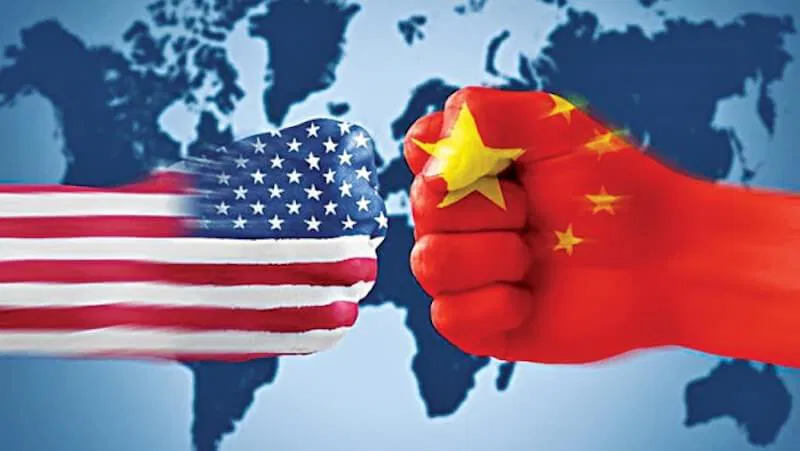
The story of Tibet is one that never really left the world stage—it just faded into the background for some people. With the introduction of the Resolve Tibet Act, the issue is back in the spotlight. This new U.S. law aims to reshape how the world understands the Tibet China dispute, challenge long-standing narratives, and push for genuine Tibetan autonomy.
So why now? And what does this law really change? Let’s break it down in plain English.
Why Tibet Still Matters in Global Politics
Tibet isn’t just a remote region tucked away in the Himalayas. It’s a symbol—of culture, religion, identity, and resistance. The way Tibet is treated reflects broader global questions about human rights, self-determination, and how powerful nations shape narratives.
Overview of the Tibet China Dispute
At the heart of the Tibet China dispute lies a disagreement over history, sovereignty, and identity. China maintains that Tibet has always been part of its territory. Tibetans, on the other hand, argue that Tibet was historically independent and deserves meaningful autonomy at the very least.
What Is the Resolve Tibet Act?
The Resolve Tibet Act is a U.S. law designed to counter what American lawmakers describe as misinformation about Tibet’s history and political status. It explicitly states that China’s claim over Tibet is disputed—not settled—and urges dialogue between Chinese authorities and Tibetan leaders.
Background and Legislative History
This act didn’t appear out of thin air. It builds upon decades of U.S. legislation related to Tibet, especially the Tibet Policy Act of 2002. Over the years, concerns about cultural erosion, religious restrictions, and lack of dialogue pushed U.S. lawmakers to take a stronger stance.
How It Builds on the Tibet Policy Act
While the Tibet Policy Act focused on preserving Tibetan culture and supporting human rights, the Resolve Tibet Act goes a step further. It directly challenges China’s official narrative and emphasizes that Tibet’s status remains unresolved under international law.
Key Objectives of the Resolve Tibet Act
Countering Disinformation on Tibet
One of the act’s core goals is to combat what it calls “disinformation” surrounding Tibet. Think of it like clearing fog from a mountain road—the law aims to make Tibet’s history and current situation clearer to the global audience.
Supporting Tibetan Autonomy
The act doesn’t call for Tibetan independence. Instead, it strongly supports Tibetan autonomy, encouraging a solution where Tibetans can govern their cultural, religious, and local affairs within China.
Understanding the Tibet China Dispute
Historical Roots of the Conflict
To understand today’s tensions, we need to rewind the clock.
Tibet Before 1950
Before the 1950s, Tibet functioned with its own government, currency, and social system. While its international status was complex, it operated largely independently.
Chinese Control and Its Aftermath
In 1950, Chinese forces entered Tibet, calling it a “peaceful liberation.” Many Tibetans saw it as an invasion. Since then, the region has been under Chinese control, sparking decades of resistance, exile, and global debate.
Tibetan Autonomy Explained
What Autonomy Means Under International Law
Autonomy doesn’t mean separation. It means having the power to preserve language, culture, religion, and local governance. In many countries, autonomous regions exist peacefully within national borders.
China’s Position vs. Tibetan Perspectives
China argues that Tibet already enjoys autonomy. Tibetans and international observers often disagree, pointing to restrictions on religious practice, language education, and expression as evidence to the contrary.
How the Resolve Tibet Act Changes U.S. Policy
Shifting the Narrative on Tibet
For years, global diplomacy tiptoed around Tibet. The Resolve Tibet Act flips the script by openly stating that China’s claims are disputed. That’s a big deal in diplomatic language.
Accountability and Diplomatic Pressure
The law encourages U.S. officials to actively counter false narratives and push for renewed talks. While it doesn’t impose sanctions, it adds pressure through diplomacy and global awareness.
Role of the Dalai Lama in the Tibet Issue
Spiritual Leadership vs. Political Narratives
The Dalai Lama is often portrayed by China as a political separatist. In reality, he describes himself as a spiritual leader advocating peace and autonomy, not independence.
Reincarnation Controversy and U.S. Stance
One sensitive issue is the future reincarnation of the Dalai Lama. The Resolve Tibet Act supports the Tibetan people’s right to decide this without interference—another point of friction with Beijing.
Implications for China
Political and Diplomatic Impact
China views the Resolve Tibet Act as interference in its internal affairs. It could strain U.S.–China relations, already tense over trade, technology, and security issues.
China’s Likely Response to the Resolve Tibet Act
Historically, China responds strongly to foreign criticism on Tibet. Expect sharp rhetoric, diplomatic protests, and continued insistence on its sovereignty claims.
Implications for Tibetans
Cultural and Religious Rights
For Tibetans, the act is a moral boost. It tells them they haven’t been forgotten and that their struggle for cultural survival and Tibetan autonomy still matters.
Hope for Renewed Dialogue
While the law doesn’t guarantee change, it keeps the door open for dialogue—a door that’s been closed for far too long.
Global Reactions to the Resolve Tibet Act
International Community and Human Rights Groups
Human rights organizations have largely welcomed the act, seeing it as a step toward accountability and transparency in the Tibet China dispute.
What This Means for Global Tibet Advocacy
The act energizes global Tibet advocacy, giving activists a stronger legal and moral framework to work with.
Resolve Tibet Act vs. Tibet Policy Act
Key Differences
The Tibet Policy Act focused on preservation and support. The Resolve Tibet Act is more assertive, directly challenging China’s narrative and emphasizing the unresolved nature of Tibet’s status.
Why the New Law Matters Now
In a world increasingly divided by information wars, controlling the narrative is power. This law recognizes that reality.
Strategic Importance for the United States
Human Rights and Foreign Policy
Supporting Tibet aligns with America’s broader human rights agenda. It’s about values as much as politics.
Tibet in the Broader U.S.–China Relationship
Tibet is one piece of a much larger puzzle. The Resolve Tibet Act signals that human rights won’t be sidelined, even in complex geopolitical relationships.
Challenges and Criticism
Limits of U.S. Influence
Let’s be honest—U.S. laws can’t force change inside China. Critics argue the act is more symbolic than practical.
Concerns Over Escalating Tensions
Others worry it could further strain U.S.–China relations without delivering tangible benefits to Tibetans.
The Future of the Tibet China Dispute
Can Dialogue Be Revived?
Dialogue remains the only sustainable solution. The Resolve Tibet Act keeps that hope alive, even if the road ahead is steep.
Long-Term Prospects for Tibetan Autonomy
True Tibetan autonomy won’t happen overnight. But sustained international attention makes it harder to ignore.
Why the Resolve Tibet Act Is a Turning Point
Symbolism vs. Practical Impact
Symbols matter. They shape conversations, influence policy, and inspire action. This law does all three.
Conclusion
The Resolve Tibet Act doesn’t solve the Tibet China dispute, but it changes the conversation. By challenging official narratives, supporting Tibetan autonomy, and building on the Tibet Policy Act, it reaffirms that Tibet’s story is still being written. In a world where silence often equals consent, this law chooses to speak up.

 English
 Magyar
 Arabic
 French
 Spanish
 Deutsch
 Turkish
 Dutch
Dutch
 Italiano
 Russian
 Romaian
 Portuguese (Brazil)
 Greek
Greek