
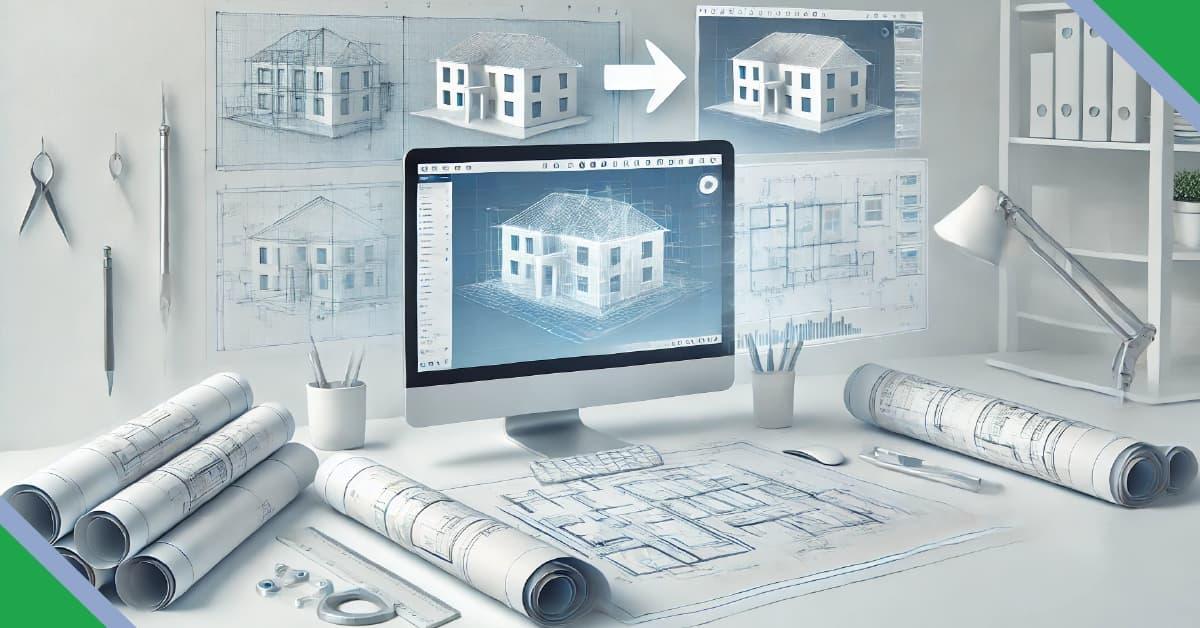
The way buildings are designed, detailed, and delivered has changed dramatically over the last decade. From BIM-driven workflows to cloud collaboration and automation, the CAD design and drafting industry is undergoing a fundamental shift. One area experiencing especially rapid transformation is millwork drafting.
For decades, millwork drawings were created using traditional drafting techniques often relying on manual processes, disconnected tools, and limited coordination between designers, fabricators, and site teams. Today, those methods are increasingly being replaced by digital millwork drafting services that offer higher accuracy, faster turnaround, and far better alignment with modern construction workflows.
So why exactly are digital approaches winning out and what does this shift mean for architects, engineers, manufacturers, and business leaders in the UK and beyond?
Let’s explore the trends, challenges, and opportunities driving this change.
What Are Millwork Drafting Services in the Digital Era?
Millwork drafting services involve the creation of highly detailed CAD drawings for custom interior elements such as cabinetry, joinery, wall panels, counters, doors, and bespoke furniture. These drawings act as the bridge between design intent and fabrication reality.
In a digital-first workflow, millwork drafting goes beyond basic 2D drawings and includes:
-
Precise CAD-based shop drawings
-
Material specifications and joinery details
-
CNC-ready and fabrication-friendly outputs
-
Integration with BIM and interior design models
A modern millwork drafting services company uses advanced CAD software, standardized workflows, and digital collaboration tools to ensure every detail aligns with manufacturing and site conditions.
Why Are Traditional Millwork Drafting Methods Falling Behind?
Traditional millwork drafting methods were largely manual or semi-digital, often relying on isolated CAD files and personal drafting expertise. While effective in the past, these approaches now struggle to keep up with modern project demands.
Key limitations of traditional methods include:
-
Higher risk of human error due to manual detailing
-
Limited scalability for large or fast-track projects
-
Poor coordination with architects, engineers, and contractors
-
Time-consuming revisions when design changes occur
According to a report by McKinsey & Company, construction projects globally run 20% longer than scheduled and up to 80% over budget, largely due to inefficiencies in coordination and documentation. Digital drafting directly addresses these inefficiencies by improving accuracy and communication across teams.
How Do Digital Millwork Drafting Services Improve Accuracy?
Accuracy is one of the biggest reasons digital methods are replacing traditional drafting.
Digital millwork drafting services use intelligent CAD tools that allow drafters to work with precise dimensions, parametric components, and standardized detailing systems. This dramatically reduces inconsistencies between drawings and real-world fabrication.
Benefits of improved accuracy include:
-
Better alignment between millwork details interior design and manufacturing constraints
-
Reduced clashes with MEP and structural elements
-
Fewer RFIs and site modifications
-
Lower material waste and rework costs
A study by Autodesk found that digital design and drafting workflows can reduce rework by up to 30%, making them particularly valuable for complex interior and commercial projects.
Why Is Speed Becoming a Deciding Factor in the UK Market?
In the UK, construction timelines are tightening. Developers, contractors, and fit-out specialists are under pressure to deliver projects faster without compromising quality.
Digital millwork drafting services enable:
-
Faster drawing production through reusable templates
-
Rapid revisions when client or design changes occur
-
Parallel collaboration across design and drafting teams
This is especially important in sectors like commercial offices, retail fit-outs, hospitality, and healthcare where interior millwork often sits on the project’s critical path.
According to RICS UK, digital adoption in construction is now considered a key driver of productivity growth, particularly as the industry faces ongoing labour shortages.
How Do Digital Drafting Services Support Collaboration?
One of the biggest challenges in traditional millwork drafting was siloed communication. Designers, drafters, fabricators, and site teams often worked from different versions of drawings.
Digital workflows change that completely.
Modern millwork drafting companies use shared platforms, cloud-based file management, and standardized naming conventions. This allows all stakeholders to:
-
Access the latest drawing versions in real time
-
Flag issues early in the design process
-
Coordinate millwork with architectural and MEP layouts
This collaborative approach significantly reduces miscommunication one of the leading causes of construction delays.
What Role Does BIM Play in Digital Millwork Drafting?
Building Information Modelling (BIM) has become a cornerstone of digital construction, particularly in the UK where BIM Level 2 standards are widely adopted.
Digital millwork drafting services increasingly integrate with BIM models to:
-
Align millwork components with architectural geometry
-
Detect clashes before fabrication
-
Improve quantity take-offs and material planning
Research from NBS UK shows that over 70% of UK construction professionals now use BIM in some capacity. Millwork drafting that connects seamlessly with BIM offers a major competitive advantage.
Are Digital Millwork Drafting Services More Cost-Effective?
While digital drafting may appear more advanced and therefore more expensive the reality is quite the opposite.
By reducing errors, rework, and project delays, digital millwork drafting services often lower overall project costs. For business owners and developers, this means:
-
Better budget predictability
-
Fewer costly on-site modifications
-
Improved return on investment
A report by Dodge Data & Analytics found that digital design tools can deliver a 5–10% reduction in overall project costs, particularly on complex interior projects.
What Opportunities Do Digital Drafting Services Create for Businesses?
For startups, manufacturers, and growing interior firms, digital millwork drafting services open up new opportunities.
These include:
-
Scaling production without increasing drafting headcount
-
Serving international clients with consistent quality
-
Adapting quickly to new design trends and materials
For architects and engineers, working with a digitally capable millwork drafting services company means smoother coordination and fewer downstream issues allowing them to focus more on design innovation.
How Are Changing Client Expectations Driving This Shift?
Clients today expect more transparency, faster delivery, and higher quality. They want to see accurate drawings early, understand how components will be fabricated, and avoid surprises during installation.
Digital millwork drafting services help meet these expectations by offering:
-
Clear, easy-to-read CAD documentation
-
Early visualization of complex millwork elements
-
Better alignment between design intent and finished interiors
As a result, digital drafting is no longer a “nice to have” it’s becoming a baseline expectation.
What Does the Future Hold for Millwork Drafting?
Looking ahead, digital millwork drafting will continue to evolve with technologies such as:
-
AI-assisted detailing
-
Automated clash detection
-
Deeper integration with manufacturing systems
For UK firms in particular, adopting digital workflows is critical to remaining competitive in a market that values precision, speed, and compliance.
Final Thoughts:
The shift from traditional methods to digital millwork drafting services isn’t just a trend it’s a response to real-world challenges facing the construction and interior design industry.
From improved accuracy and faster turnaround to better collaboration and cost control, digital drafting is redefining how millwork is designed and delivered.
For businesses and professionals navigating today’s complex projects, partnering with a forward-thinking millwork drafting company or a leading UK CAD design company can make the difference between project friction and project success.
As the industry continues to modernize, one thing is clear: digital millwork drafting isn’t replacing traditional methods it’s setting a new standard.

 English
 Magyar
 Arabic
 French
 Spanish
 Portuguese
 Deutsch
 Dutch
Dutch
 Italiano
 Russian
 Romaian
 Portuguese (Brazil)
 Greek
Greek