
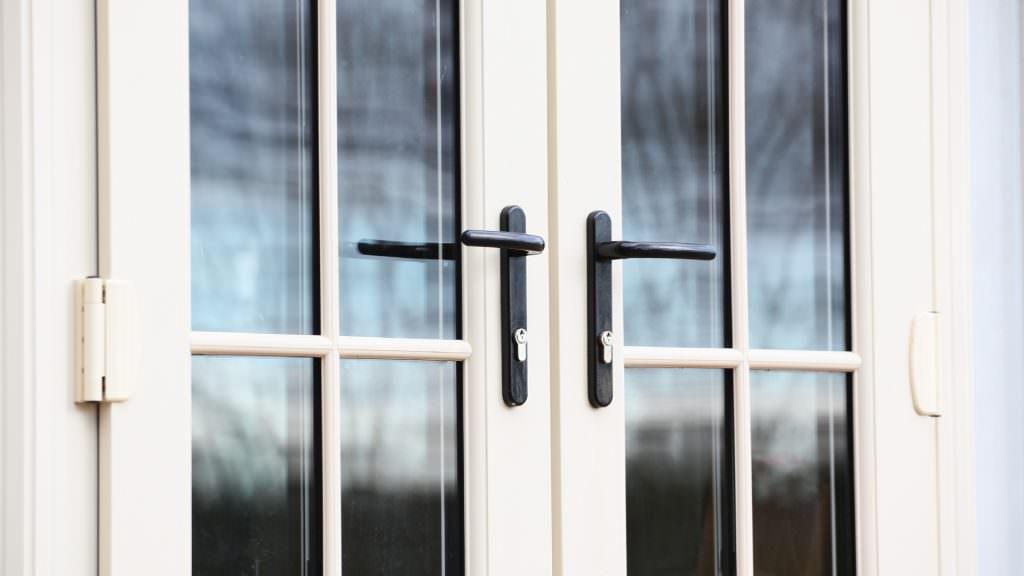
uPVC (unplasticized polyvinyl chloride) doors have become a popular choice in modern homes due to their durability, low maintenance, and aesthetic appeal. They are resistant to weather, rust, and corrosion, making them ideal for both interior and exterior doors.
However, while the door itself can last for decades, the door handles—often made of metal or coated alloys—require regular care to ensure they function smoothly and maintain their appearance. Proper maintenance of uPVC door handles not only extends their life but also enhances the overall security and comfort of your home.
This article will guide you through the best practices for maintaining your uPVC door handles, including cleaning techniques, lubrication, checking for wear and tear, and preventive measures to avoid damage.
1. Understand Your Door Handle Components
Before diving into maintenance, it’s important to understand the typical components of a uPVC door handle:
Handle lever: The part you grip and turn to operate the door.
Spindle: The metal rod inside that connects the handle to the locking mechanism.
Backplate or rose: The plate that sits flush against the door, providing stability.
Locking mechanism: Often integrated with multipoint locks in uPVC doors, which engage bolts at multiple points along the door frame.
Screws and fixings: Secure the handle to the door, which can loosen over time.
By understanding these components, you can identify the areas that require attention during maintenance.
2. Regular Cleaning
Over time, dirt, dust, and grime can accumulate on your uPVC door handles, making them look dull and potentially impairing their function. Regular cleaning is simple but highly effective.
Steps for Cleaning:
Remove dust and loose dirt: Use a soft, dry cloth to wipe down the handle.
Prepare a mild cleaning solution: Mix a few drops of mild dish soap with warm water. Avoid harsh chemical cleaners as they can damage the finish of the handle or the uPVC material.
Wipe down the handle: Dip a cloth into the solution and wring it out so it’s damp, not soaking wet. Gently clean the handle, backplate, and surrounding area.
Clean crevices: Use a soft-bristled toothbrush to reach tight spots where dirt may accumulate.
Rinse and dry: Wipe the handle with a damp cloth to remove any soap residue, then dry it thoroughly with a soft, dry cloth.
Regular cleaning—at least once a month—keeps your handles looking new and prevents dirt from interfering with their mechanism.
3. Lubrication for Smooth Operation
A stiff or squeaky door handle usually indicates that the internal mechanism needs lubrication. Proper lubrication ensures that the handle operates smoothly and reduces wear on the moving parts.
Best Practices for Lubrication:
Use the right lubricant: Choose a light machine oil or a silicone-based spray. Avoid WD-40 or other penetrating oils for regular maintenance, as these can attract dirt over time.
Apply sparingly: Spray or apply a small amount of lubricant onto the spindle and any moving parts. Excessive lubricant can drip into the door frame and attract dust.
Operate the handle: Turn the handle several times to distribute the lubricant evenly across the mechanism.
Wipe off excess: Use a soft cloth to remove any excess lubricant from the handle and surrounding area.
Lubrication should ideally be done twice a year or whenever the handle feels stiff.
4. Inspect for Wear and Damage
Even high-quality uPVC doors can suffer from wear over time, particularly if the door is used frequently. Regular inspection helps identify problems early, preventing costly replacements.
Areas to Check:
Loose screws: Handles that wobble may have loose fixings. Tighten them with an appropriate screwdriver.
Corrosion: Metal components can corrode if exposed to harsh weather conditions. Light rust can be removed with fine steel wool and a rust inhibitor.
Handle alignment: Misaligned handles can strain the locking mechanism, causing further damage.
Locking mechanism function: Ensure the key turns smoothly and the door locks securely. Difficulty locking or unlocking may indicate internal wear or misalignment.
Addressing minor issues promptly can significantly extend the life of your door handles.
5. Preventive Measures
Preventive care is just as important as cleaning and lubrication. Small actions can prevent damage and prolong the life of your handles.
Tips for Prevention:
Avoid excessive force: Pulling or slamming the door can strain the handle and internal mechanism. Encourage gentle operation.
Keep handles dry: Excess moisture can lead to corrosion, especially for metal parts. Wipe handles dry after cleaning or exposure to rain.
Protect from UV exposure: Prolonged sunlight can fade plastic coatings. If possible, install a door canopy or sunshade.
Seasonal checks: Inspect and maintain handles during seasonal changes. Cold weather can stiffen lubricants, and hot weather can expand metal components, affecting alignment.
6. Replacing Worn Handles
Despite regular maintenance, door handles may eventually wear out and need replacement. Signs that replacement is necessary include:
· Persistent stiffness despite lubrication
· Loose or wobbly handles
· Visible cracks or corrosion
· Difficulty operating the lock mechanism
Replacing uPVC door handles is straightforward and cost-effective compared to replacing the entire door. Always ensure you purchase handles compatible with your door type and locking system.
7. Professional Assistance
While most maintenance tasks can be performed by homeowners, certain issues may require professional attention. Multipoint locking mechanisms or severely worn handles are best handled by a locksmith or door specialist. Professional maintenance ensures that the door remains secure and operates correctly, preventing further damage.
Conclusion
Maintaining your uPVC door handles is a simple yet essential part of home care. Through regular cleaning, careful lubrication, routine inspections, and preventive measures, you can significantly extend the life of your door handles, keep them functioning smoothly, and maintain the overall aesthetics of your doors.
A little attention and care go a long way. By adopting a consistent maintenance routine, your uPVC doors can remain as reliable and attractive as the day they were installed—saving you money, enhancing security, and giving your home a polished, well-maintained appearance.

 English
 Magyar
 Arabic
 French
 Spanish
 Deutsch
 Turkish
 Dutch
Dutch
 Italiano
 Russian
 Romaian
 Portuguese (Brazil)
 Greek
Greek