
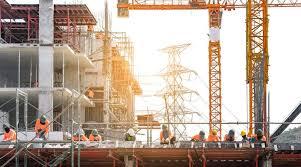
In the rapidly evolving construction industry of the UAE, project complexity is increasing due to ambitious architectural designs, tight timelines, and strict regulatory requirements. From high-rise towers in Dubai to large-scale infrastructure projects in Abu Dhabi, stakeholders demand accuracy, efficiency, and seamless collaboration. This is where Structural BIM Services play a critical role. By leveraging Building Information Modeling (BIM) for structural design and coordination, construction teams can significantly improve coordination and reduce costly errors throughout the project lifecycle.
Structural BIM Services are no longer an optional add-on; they have become a necessity for modern construction projects in the UAE. These services integrate intelligent 3D models with data-driven workflows, enabling better communication between architects, engineers, contractors, and project owners.
Understanding Structural BIM Services
Structural BIM Services involve creating intelligent digital models that represent the structural components of a building or infrastructure project. These models include columns, beams, slabs, foundations, shear walls, and reinforcement details, all embedded with precise geometric and technical data.
Unlike traditional 2D drawings, Structural BIM models allow teams to visualize the entire structural system in three dimensions. This makes it easier to identify potential conflicts, assess constructability, and ensure compliance with UAE building codes and international standards.
In the UAE market, where projects often involve multinational teams, Structural BIM acts as a common digital language that aligns everyone on the same platform.
The Coordination Challenges in UAE Construction Projects
Construction projects in the UAE often face coordination challenges due to their scale and complexity. Multiple disciplines work simultaneously, including architecture, structural engineering, MEP, façade, and interior fit-out. Without proper coordination, design clashes and misinterpretations can lead to delays, rework, and increased costs.
Traditional coordination methods rely heavily on manual checks and fragmented communication, which increases the risk of human error. In fast-paced UAE projects, even small coordination issues can result in significant financial and scheduling impacts.
Structural BIM Services address these challenges by providing a centralized, data-rich model that ensures all stakeholders are working with accurate and up-to-date information.
Improving Multidisciplinary Coordination Through BIM
One of the strongest advantages of Structural BIM Services is their ability to enhance multidisciplinary coordination. Structural models can be seamlessly integrated with architectural and MEP models, allowing teams to detect clashes early in the design phase.
For example, conflicts between structural beams and HVAC ducts or electrical trays can be identified and resolved before construction begins. This proactive approach is especially valuable in UAE projects where complex MEP systems are common due to climate control requirements.
By using coordinated BIM models, project teams can conduct regular coordination meetings with clear visual references, reducing misunderstandings and improving decision-making.
Clash Detection and Error Reduction
Clash detection is a core component of Structural BIM Services. BIM software automatically identifies clashes between structural elements and other building systems, enabling engineers to resolve issues digitally rather than on-site.
In the UAE, where construction costs and labor expenses are high, resolving errors during construction can be extremely expensive. Structural BIM helps reduce these risks by identifying potential issues during the design stage.
This early detection significantly reduces rework, change orders, and material wastage, resulting in smoother project execution and better cost control.
Enhanced Accuracy in Structural Design
Structural BIM Services improve the accuracy of structural design by minimizing manual drafting errors. Since BIM models are parametric, any change made to one component is automatically updated across the entire model and related drawings.
This ensures consistency between plans, sections, elevations, and schedules. For UAE projects that must comply with local authorities such as Dubai Municipality and Abu Dhabi’s regulations, this level of accuracy is essential.
Accurate BIM models also support better structural analysis and load calculations, leading to safer and more reliable designs.
Streamlining Communication Among Stakeholders
Clear communication is essential for successful project delivery, especially in the UAE where project teams often consist of professionals from different cultural and technical backgrounds. Structural BIM Services provide a visual and data-driven communication tool that bridges these gaps.
Instead of relying solely on technical drawings, stakeholders can review 3D models to understand design intent and construction sequencing. This improves collaboration between consultants, contractors, and clients.
Companies like ENGISOFT ENGINEERING utilize Structural BIM Services to ensure transparent communication and alignment among all project participants, helping reduce misunderstandings and delays.
Supporting Construction Planning and Sequencing
Structural BIM models can be linked with construction schedules to support 4D BIM simulations. This allows project teams to visualize the construction sequence and identify potential coordination issues related to timing and site logistics.
In the UAE, where large projects often operate on compressed schedules, this capability is invaluable. Structural BIM helps planners optimize construction workflows, reduce site congestion, and improve safety.
By anticipating construction challenges in advance, teams can make informed decisions that prevent errors and inefficiencies on-site.
Reducing Cost Overruns and Project Delays
Errors and coordination issues are among the leading causes of cost overruns and delays in construction projects. Structural BIM Services help mitigate these risks by improving design accuracy, coordination, and planning.
Early clash detection, accurate quantity take-offs, and improved constructability reviews lead to more reliable cost estimates and fewer surprises during construction. This is particularly important in the UAE, where budget control is a key concern for developers and investors.
ENGISOFT ENGINEERING leverages Structural BIM to help clients achieve predictable project outcomes while maintaining high-quality standards.
Compliance with UAE Standards and Regulations
The UAE construction industry operates under strict regulatory frameworks. Structural BIM Services support compliance by ensuring that designs align with local codes, international standards, and client-specific requirements.
BIM models can store compliance-related data, making it easier to review and validate designs during approvals and audits. This reduces the risk of non-compliance-related errors and rework.
For projects targeting sustainability certifications or advanced performance standards, Structural BIM also supports better documentation and coordination.
Long-Term Value Beyond Construction
The benefits of Structural BIM Services extend beyond the construction phase. The as-built BIM model serves as a valuable digital asset for facility management and future renovations.
Accurate structural data helps building owners in the UAE manage maintenance, plan upgrades, and extend the lifecycle of their assets. This long-term value makes Structural BIM a smart investment rather than just a design tool.
Conclusion
Structural BIM Services play a vital role in improving coordination and reducing errors in UAE construction projects. By enabling accurate design, early clash detection, streamlined communication, and better planning, BIM transforms the way structural engineering is delivered.
In a competitive and fast-growing market like the UAE, adopting Structural BIM is essential for achieving efficiency, quality, and reliability. Companies such as ENGISOFT ENGINEERING are at the forefront of this transformation, providing advanced Structural BIM Services that help clients deliver complex projects with confidence and precision.
As the UAE continues to push the boundaries of architectural and engineering excellence, Structural BIM Services will remain a key driver of successful, error-free construction projects.

 English
 Arabic
 French
 Spanish
 Portuguese
 Deutsch
 Turkish
 Dutch
Dutch
 Italiano
 Russian
 Romaian
 Portuguese (Brazil)
 Greek
Greek