
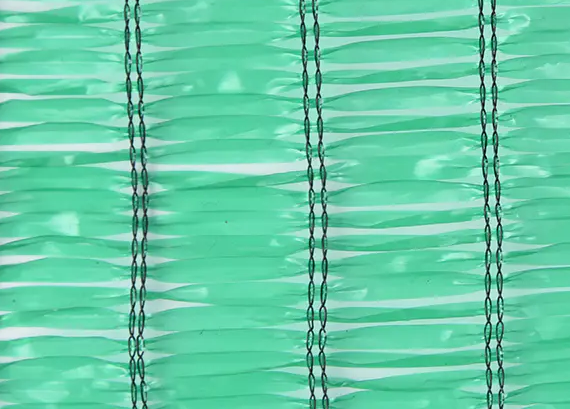
HDPE UV shade net is widely used in agriculture to control light exposure, reduce heat stress, and improve microclimates for crops and livestock. Made from high-density polyethylene with UV stabilizers, these nets provide durability while allowing airflow and partial light filtration.
In crop production, HDPE UV shade net helps regulate sunlight over greenhouses, nurseries, and open-field crops. Shade nets with 40–60% shading can reduce ambient temperatures beneath them by 3–6°C during peak sunlight hours. This moderation supports photosynthesis, reduces plant stress, and enhances growth for leafy vegetables, seedlings, and fruiting crops. Reduced direct sunlight and wind impact also lower soil evaporation rates, improving water efficiency.
For livestock, shade nets reduce heat exposure in cattle yards, poultry facilities, and equine enclosures. Studies show that shaded areas under HDPE nets can be up to 30% cooler than unshaded surfaces. Improved temperature conditions support consistent feed intake and animal well-being, particularly during hot periods. The breathable structure allows airflow, unlike solid roofing, making it suitable for temporary or semi-permanent installations.
Beyond agriculture, HDPE UV shade net is used in urban and semi-private spaces such as patios, balconies, playgrounds, and parking areas. The nets filter harmful UV radiation while providing light and ventilation, creating comfortable outdoor environments. Their adaptability allows vertical or horizontal installation for privacy screening, sun control, or multi-functional urban design.
In summary, HDPE UV shade net is a versatile material that improves crop conditions, protects livestock, and enhances outdoor comfort in urban spaces. Its durability, light control, and breathable design make it a practical solution across multiple environments.

 English
 Arabic
 French
 Spanish
 Portuguese
 Deutsch
 Turkish
 Dutch
Dutch
 Italiano
 Russian
 Romaian
 Portuguese (Brazil)
 Greek
Greek