
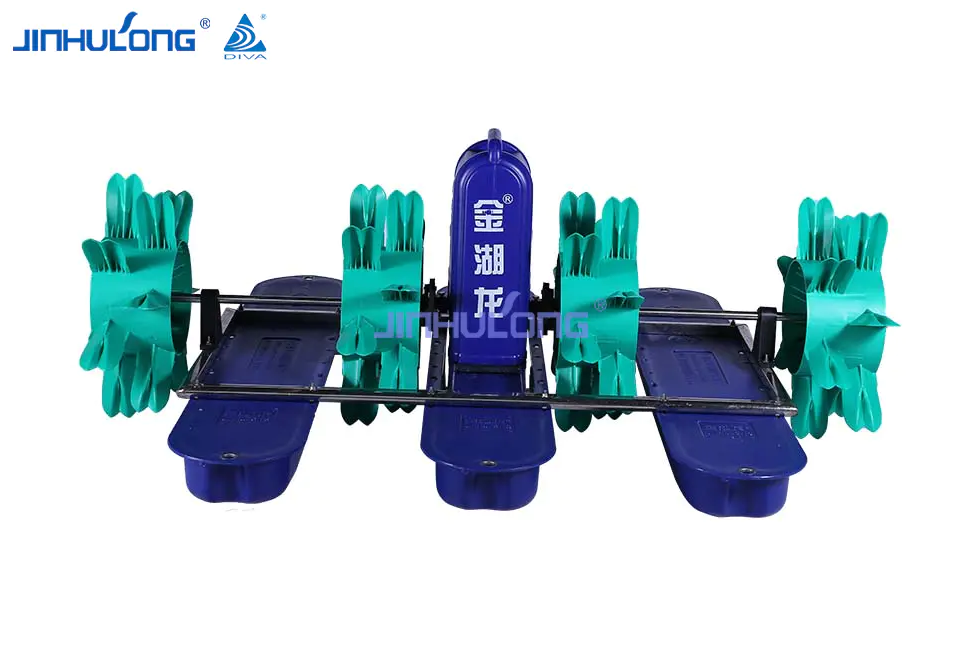
Selecting a Water Plowing Aerator begins with understanding the physical characteristics of the water body. Surface area determines how far oxygenated water must travel horizontally, while depth affects how effectively circulation can reach lower layers. An aerator that is too small may only influence a limited zone, leaving large areas under-oxygenated, whereas an oversized system may waste energy without proportional gains. Matching capacity to both dimensions ensures efficient oxygen delivery and balanced water movement.
How Water Surface Area Influences Model Selection
Larger surface areas require stronger lateral water movement to distribute dissolved oxygen evenly. When the pond or reservoir spans a wide area, an aerator with higher flow output and broader circulation reach is necessary to avoid dead zones. In smaller water bodies, excessive power can create overly strong currents that disturb sediments unnecessarily. Evaluating surface coverage helps determine the appropriate operating range and avoids under- or over-performance.
Why Water Depth Is Critical to Circulation Effectiveness
Depth plays a decisive role in how well oxygen reaches the bottom layers. Shallow water bodies allow most aerators to mix the entire volume easily, while deeper systems require sufficient thrust to push oxygen-rich water downward. If depth is underestimated, lower layers may remain oxygen-poor despite visible surface agitation. Choosing an aerator designed to plow and lift deeper water ensures vertical mixing that supports uniform dissolved oxygen levels.
How Area and Depth Work Together in Practical Selection
Area and depth should never be considered independently. A large but shallow pond may need wide horizontal coverage with moderate power, while a smaller yet deep pond demands stronger vertical circulation. The goal is to achieve full-volume turnover within a reasonable time frame. Understanding this balance helps users select a configuration that delivers consistent oxygen distribution across the entire water body.
What Role Does Water Body Shape Play?
Irregular shapes, such as long channels or uneven basins, can affect circulation patterns. Even if the area and depth are moderate, complex geometry may require higher capacity or strategic placement to ensure complete coverage. Evaluating how water flows within the specific layout supports better equipment selection and prevents isolated low-oxygen pockets.
How to Avoid Common Selection Mistakes
A common mistake is choosing based solely on surface size while ignoring depth-related oxygen demand. Another is oversizing in hopes of faster results, which can increase operating costs and disturb sediments. Proper selection focuses on balanced circulation rather than maximum power. When area and depth are correctly matched to aerator capacity, performance becomes both efficient and sustainable.
Why Proper Matching Improves Long-Term Results
When the aerator is well matched to the water body’s dimensions, oxygen levels stabilize faster and remain more consistent over time. This reduces stress on aquatic systems, improves biological activity, and lowers long-term energy consumption. Careful evaluation of area and depth ensures the aeration system delivers reliable performance without unnecessary expense or operational issues.

 English
 Magyar
 Arabic
 Spanish
 Portuguese
 Deutsch
 Turkish
 Dutch
Dutch
 Italiano
 Russian
 Romaian
 Portuguese (Brazil)
 Greek
Greek