
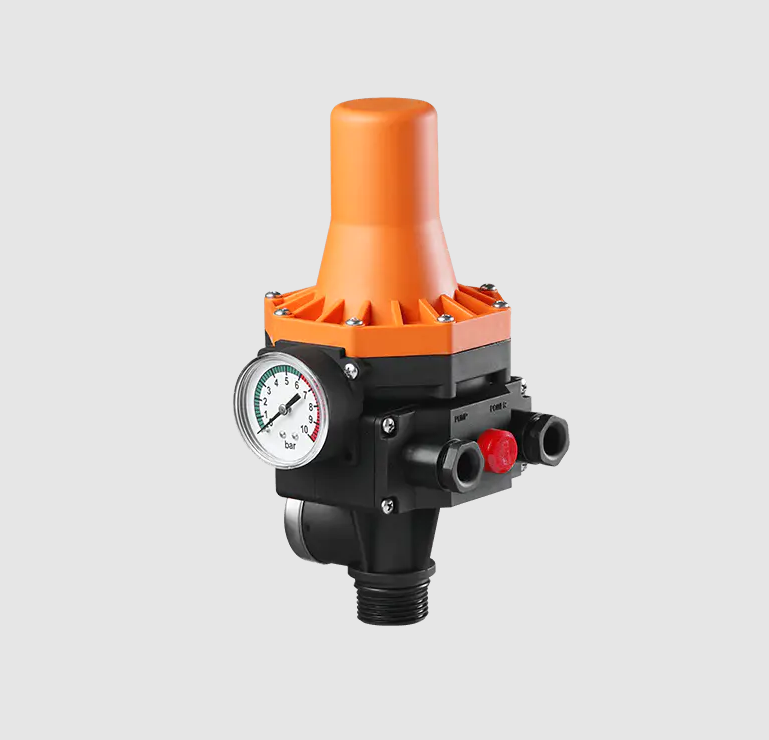
Importance of Stable Pressure Control
Stable pressure is critical in water distribution, industrial fluid systems, and residential water supply. When pressure fluctuates, it can cause equipment damage, reduce system efficiency, and compromise safety. Automatic pump control systems are designed to maintain pressure within a desired range, but adjustments may be necessary when instability occurs. A reliable Pressure Control Factory provides systems and guidance to ensure smooth operation, rapid response to fluctuations, and long-term system reliability. Understanding how to adjust automatic pump control when pressure is unstable is essential for operators, engineers, and maintenance personnel.
Identifying the Causes of Pressure Fluctuations
The first step in adjusting automatic pump control is identifying the underlying causes of pressure instability. Common factors include sudden changes in water demand, air trapped in pipelines, pump wear or damage, clogged filters, and valve malfunctions. In some cases, electrical or control system faults may lead to improper pump response. Accurately diagnosing the source of fluctuation allows targeted adjustments, ensuring the system operates effectively without unnecessary interventions or overcompensation. Proper system monitoring and data logging help operators detect patterns and potential causes before they lead to serious issues.
Adjusting Pump Control Settings
Once the cause of pressure instability is identified, pump control parameters can be adjusted to restore stability. Most automatic pump control systems allow operators to set minimum and maximum pressure thresholds. If pressure spikes frequently, reducing the pump’s maximum setpoint or adjusting the sensitivity of the control logic can help moderate fluctuations. Conversely, if pressure drops occur, increasing the minimum setpoint or optimizing pump start/stop thresholds ensures a sufficient water supply. Modern systems often include variable speed drives (VSDs) or frequency converters, which allow smooth modulation of pump speed, reducing abrupt pressure changes and minimizing mechanical stress on equipment.
Maintaining Sensors and Feedback Systems
Reliable pressure control depends on accurate sensors and feedback loops. Pressure transducers, flow meters, and water level sensors must be properly calibrated and free from debris or mechanical damage. Faulty or slow-responding sensors can cause delayed pump reactions, amplifying instability. Regular inspection and maintenance of sensors, cables, and connections ensures the automatic control system receives accurate real-time data, allowing timely adjustments and minimizing pressure swings. Some advanced Pressure Control Factory systems also provide remote monitoring and diagnostics to detect sensor drift or failures.
Additional Measures to Stabilize Pressure
In addition to adjusting pump parameters, other measures can help stabilize system pressure. Installing pressure tanks or accumulators can buffer sudden changes in flow demand, absorbing pressure spikes and filling during low-demand periods. Checking and maintaining valves, pipelines, and filters ensures smooth flow and prevents sudden restrictions that can cause fluctuations. For larger systems with multiple pumps, synchronized operation and load balancing reduce pressure variations and improve overall system efficiency. Integrating these measures with automatic pump control enhances system reliability and safety.
Pressure instability can compromise the efficiency and safety of water and fluid systems, but it can be effectively managed through careful adjustment of automatic pump control settings. By diagnosing the causes of fluctuations, optimizing pump thresholds, maintaining sensors, and incorporating additional pressure-stabilizing measures, operators can maintain consistent pressure and system performance. A reputable Pressure Control Factory provides guidance, equipment, and support to ensure these adjustments are accurate and effective. Proper implementation enhances system longevity, energy efficiency, and operational reliability, making automatic pressure control a critical component in modern fluid management.
The working principle of the device adopts dual control of Pressure and flow. It goes auto on and auto off for the water pump when water pressure changes based on water consumption.

 English
 Arabic
 French
 Spanish
 Portuguese
 Deutsch
 Turkish
 Dutch
Dutch
 Italiano
 Russian
 Romaian
 Portuguese (Brazil)
 Greek
Greek