
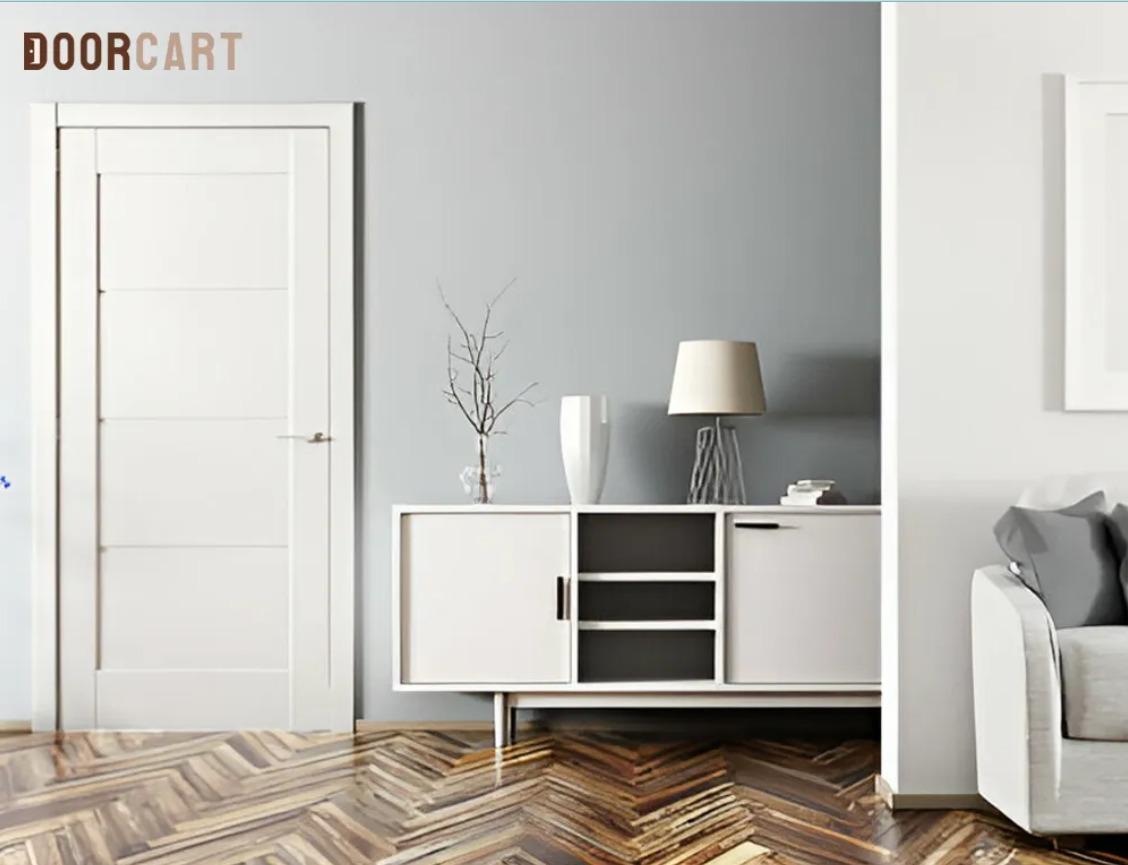
The Canadian construction and renovation market continues to grow as homeowners, builders, and property managers focus on safety, energy efficiency, and long-term value. Among the most important components of any residential or commercial project are interior and exterior door systems. Quality doors not only enhance appearance but also improve insulation, security, and fire protection. Two popular categories in Canada are Prehung Doors and Fire Rated Doors, each serving distinct yet complementary purposes in modern buildings.
This in-depth guide explores how these door types meet Canadian building standards, climate demands, and design expectations, helping buyers make informed decisions for new builds or renovations.
Understanding Prehung Door Systems
A prehung door comes already mounted within its frame, complete with hinges and pre-cut openings for hardware. This ready-to-install solution saves time and reduces the risk of alignment errors, making it especially attractive for contractors and DIY renovators across Canada.
Benefits for Canadian Homes
-
Faster Installation
Canadian projects often operate within short seasonal construction windows. A factory-assembled door unit reduces installation time and labor costs, keeping projects on schedule. -
Consistent Fit and Finish
Pre-aligned frames ensure smoother operation and better sealing. This helps minimize drafts and improves energy efficiency—an important factor in colder provinces. -
Design Flexibility
Available in wood, fiberglass, steel, and composite materials, these doors can match modern condos, suburban homes, and commercial interiors alike. -
Improved Insulation Performance
Tight factory seals help reduce heat loss, contributing to lower energy bills during long winters.
Builders and homeowners frequently choose Prehung Doors for basements, bedrooms, offices, and renovation projects where speed and reliability matter most.
Fire Safety and Door Protection in Canada
Fire safety is a top priority in Canadian building codes. Doors installed between living spaces, garages, stairwells, and multi-unit corridors often require specific fire-resistance ratings to slow the spread of flames and smoke.
What Makes a Door Fire Rated?
A fire-rated door is tested to withstand fire exposure for a defined period—typically 20, 45, 60, or 90 minutes. These doors are manufactured with fire-resistant cores, reinforced frames, and self-closing hardware to maintain compartmentalization during emergencies.
Canadian Code Considerations
-
National Building Code of Canada (NBCC) outlines minimum fire-resistance requirements for residential and commercial spaces.
-
Multi-family buildings and mixed-use properties must meet strict corridor and exit protection standards.
-
Garage-to-house entry doors usually require a fire-rated assembly for added safety.
Selecting compliant Fire Rated Doors ensures legal compliance while protecting occupants and property investments.
Why Canadian Buyers Combine These Door Types
In many projects, builders integrate pre-assembled door systems with certified fire ratings. This combination offers faster installation while meeting safety regulations. It’s especially common in:
-
Condominiums and apartment buildings
-
Townhouses with attached garages
-
Schools, hospitals, and offices
-
Renovation upgrades for code compliance
A factory-assembled, fire-rated unit reduces on-site errors and inspection issues, making approvals easier for contractors and inspectors alike.
Climate Performance and Durability
Canada’s diverse climate—from coastal moisture in British Columbia to extreme cold in the Prairies—demands durable door materials and reliable sealing.
Recommended Materials
-
Steel Doors: Excellent fire resistance, durability, and security.
-
Fiberglass Doors: Moisture-resistant and stable in temperature fluctuations.
-
Solid Core Wood Doors: Attractive and strong, often used indoors with proper fire certification.
High-quality weatherstripping, insulated cores, and reinforced frames help maintain thermal efficiency and reduce noise transmission in urban environments.
Design Trends in the Canadian Market
Modern Canadian homes emphasize minimalism, natural light, and clean lines. Door manufacturers now offer a wide range of finishes and styles that blend safety with aesthetics.
Popular trends include:
-
Neutral colors such as white, charcoal, and light wood tones
-
Frosted or wired glass inserts for light transfer (where permitted by code)
-
Contemporary hardware finishes like matte black and brushed nickel
-
Sustainable materials and low-VOC finishes
These options allow property owners to maintain visual appeal without compromising performance or safety.
Installation and Maintenance Considerations
Professional Installation
While some homeowners attempt DIY installation, professional installation ensures:
-
Proper alignment and sealing
-
Compliance with fire code requirements
-
Correct hardware and self-closing mechanisms
-
Warranty protection
Certified installers also ensure that door frames, hinges, and gaps meet inspection standards.
Ongoing Maintenance
To extend the life of your door systems:
-
Inspect hinges and closers annually
-
Keep seals clean and intact
-
Repaint or refinish surfaces as needed
-
Test self-closing mechanisms regularly in fire-rated assemblies
Routine care ensures consistent performance and long-term value.
Cost Factors and Budget Planning
Pricing in Canada varies based on material, rating level, size, and customization.
Typical influences include:
-
Door core material and frame construction
-
Fire-resistance certification level
-
Glass inserts or decorative panels
-
Hardware quality and closers
-
Installation labor and regional pricing
While higher-rated doors may cost more initially, they reduce insurance risks and enhance overall building safety, often providing long-term savings.
Sustainability and Energy Efficiency
Many Canadian homeowners prioritize eco-friendly building products. Door manufacturers now offer:
-
FSC-certified wood products
-
Recyclable steel and fiberglass materials
-
Energy-efficient insulated cores
-
Low-emission paints and adhesives
These features contribute to green building certifications and improved indoor air quality.
Choosing the Right Supplier in Canada
When purchasing door systems, look for suppliers who provide:
-
CSA or ULC fire certification
-
Warranty coverage
-
Local availability and support
-
Custom sizing and finishing options
-
Professional installation services
Reputable suppliers understand provincial building requirements and can guide buyers through compliance and selection.
Final Thoughts
Selecting the right door system is a strategic investment in safety, comfort, and property value. Whether upgrading a residential space or developing a large commercial project, combining efficient installation with certified protection delivers reliable performance for years to come. High-quality Prehung Doors simplify construction timelines and improve fit, while properly certified Fire Rated Doors protect lives and meet strict Canadian regulations.
By understanding materials, codes, climate needs, and design trends, Canadian buyers can confidently choose doors that enhance both functionality and aesthetics, ensuring long-term satisfaction and peace of mind.

 English
 Magyar
 Arabic
 French
 Spanish
 Portuguese
 Turkish
 Dutch
Dutch
 Italiano
 Russian
 Romaian
 Portuguese (Brazil)
 Greek
Greek