
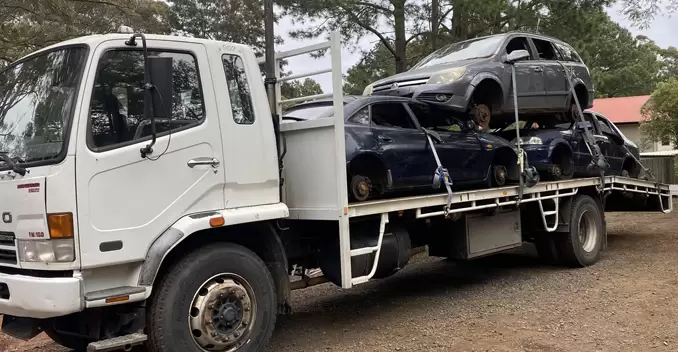
Every car starts its life with a purpose. It carries people to work, school, holidays, and late-night drives. Over time, that same car begins to change. Sounds appear. Parts wear out. Repairs become more frequent. No matter how well a car is looked after, it will reach a point where the road is no longer in its place. This is not a failure. It is part of a natural cycle.
In Australia, millions of cars reach this final stage each year. Roads, weather, driving habits, and age all play a role. This article explains why every car reaches its last stop, what happens along the way, and why this ending matters for people, safety, and the environment.
The Beginning of a Car's Journey
A new car leaves the factory ready for years of use. During early years, now parts work as planned. Engines run clean. Brakes respond well. Fuel use stays within expected levels. Manufacturers design cars to last a set number of years under normal driving conditions.
In Australia, the average car stays on the road for about ten to fifteen years. Some last longer, but age always leaves a mark. Heat, dust, coastal air, and long-distance driving place extra strain on vehicles. Even careful owners cannot stop time.
Wear Builds Up Over Time
Every kilometer adds wear. Metal parts rub against each other. Rubber parts dry out and crack. Fluids lose their strength. These changes happen slowly, which makes them hard to notice at first.
Engines lose power as internal parts wear down. Gearboxes begin to slip. Suspension systems struggle on uneven roads. Electrical systems also age. Wires corrode. Sensors fail. Modern cars rely on many sensors, and one fault can affect how the whole car runs.
Fixing these issues becomes harder as parts age. Older models often need parts that are no longer made in large numbers. This pushes repair costs higher.
Safety Standards Keep Rising
Road safety laws in Australia change over time. New cars include features that older models do not have. These include advanced braking systems, improved airbag layouts, and stronger body frames.
Older cars often lack these features. As safety rules tighten, older vehicles fall behind. A car that once met all rules may no longer offer the level of protection expected today.
Crash data shows that newer cars reduce serious injuries during accidents. This fact leads many owners to retire older vehicles once safety risks grow too high.
Fuel Use and Emissions Matter
Engines become less clean as they age. Fuel does not burn as fully as it once did. Exhaust systems wear out. This leads to higher emissions.
Australia has clear goals to reduce pollution. Older cars produce more harmful gases compared to newer models. Even with regular servicing, older engines struggle to meet modern emission limits.
Fuel use also rises with age. A car that once travelled far on a full tank begins to use more fuel for the same distance. This adds cost and increases environmental impact.
The Cost Balance Shifts
At some point, owners face a choice. Repair the car or let it go. This decision often comes down to numbers.
Major repairs like engine rebuilds, gearbox replacements, or rust repair can cost more than the car is worth. Insurance companies also play a role. After accidents, they may declare a car a total loss if repair costs pass a set limit.
This is a common turning point. The car still exists, but its role on the road ends.
Emotional Ties to Cars
Cars are not only machines. They hold memories. Family trips, first drives, and daily routines build strong bonds. Letting go can feel heavy.
Many people delay the final decision because of this attachment. They hope for one more year or one more repair. This feeling is normal. Yet emotion cannot reverse physical limits.
Understanding that every car has a final chapter can help owners move forward with clarity.
What Happens at the Final Stop
When a car leaves the road for good, it does not vanish. It enters a new phase.
First, usable parts are removed. Engines, doors, mirrors, wheels, and interior items can still serve other vehicles. This reduces waste and keeps parts in use.
Next, fluids are drained. Oil, coolant, brake fluid, and fuel are handled carefully to avoid soil and water damage.
Then the body is processed. Steel, aluminium, and copper are separated. These metals are melted down and reused. Recycling metals uses less energy than mining new materials.
In Australia, around eighty percent of a car can be reused or recycled. This makes end-of-life vehicle processing an important part of waste control.
Why This Process Helps the Environment
Leaving old cars to rot causes harm. Fluids leak into the ground. Rust spreads. Plastics break down into small particles.
Proper vehicle recycling prevents these issues. It also reduces demand for raw materials. Each recycled tonne of steel saves large amounts of energy and water.
This process supports cleaner land and lower emissions across the country.
A Natural Role for Vehicle Removal Services
This final stage needs structure and care. That is where vehicle removal services fit into the picture. They act as the bridge between road use and recycling.
In regional areas like North Queensland, services such as North Coast Wreckers play a key role in this cycle. They handle vehicles that can no longer serve on the road and guide them into proper reuse and recycling paths. This approach aligns with the reality that old vehicles must leave the road safely. For many owners searching for Old Car Removal Townsville options, this stage marks a practical end to a long journey while supporting material recovery and cleaner land use.
The Road Always Leads Here
No car escapes time. Roads change. Rules change. Needs change. What remains the same is the final destination.
This last stop is not a failure. It's also the handover. The car gives back its materials, its parts, and its space. New vehicles take their place, built with lessons learned from the past.
Understanding this cycle helps owners make calm choices. It turns an ending into a useful step forward.
Every car reaches this point. It is the quiet truth of the road.

 English
 Magyar
 Arabic
 French
 Spanish
 Portuguese
 Turkish
 Dutch
Dutch
 Italiano
 Russian
 Romaian
 Portuguese (Brazil)
 Greek
Greek