
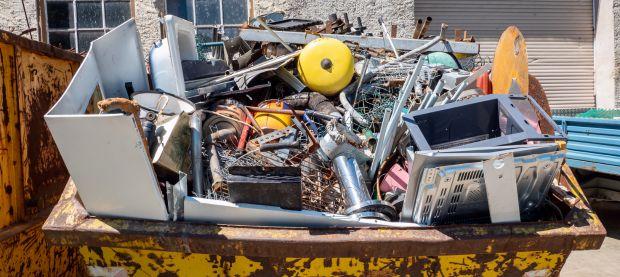
Automobiles are more than machines for transport. They are reflections of culture, technology, and human creativity. Old cars, in particular, tell stories that are often overlooked. By examining vehicles that have reached the end of their life, we gain insight into the innovations that shaped the automotive industry and the directions it took over time.
The Evolution of Car Design
Early cars were simple, with basic mechanical parts and minimal safety features. The focus was on functionality rather than comfort or style. As time progressed, manufacturers experimented with aerodynamics, materials, and layout. Vehicles from the 1920s and 1930s began to include enclosed cabins, smoother curves, and more refined engines. Each era introduced unique designs that mirrored social and technological trends.
For instance, post-World War II cars reflected optimism and economic growth. They were larger, more colourful, and often included chrome detailing. By studying vehicles that ended up in scrap yards, historians can trace how public tastes and technological capabilities evolved.
Mechanical Innovation and Engineering Lessons
Old cars serve as a physical archive of engineering experimentation. Some models pioneered fuel systems, suspension designs, or braking mechanisms that influenced later vehicles. Other attempts, though unsuccessful, show how trial and error drove the industry forward.
For example, early front-wheel-drive vehicles were considered risky but eventually became standard because of their improved handling and interior space. Cars with mechanical failures or short production runs teach engineers what works and what does not. These lessons are valuable, not only historically, but for ongoing improvements in vehicle safety and efficiency.
Cultural Reflections in Old Cars
Vehicles also reveal cultural priorities of their time. Large, luxurious cars were symbols of wealth in certain decades, while compact, economical cars reflected periods of financial constraint or fuel shortages. Colours, interior materials, and even dashboard layouts offer insight into societal preferences and lifestyle expectations.
In scrap yards, one can see the tangible outcomes of these cultural shifts. A rusting sedan from the 1970s may carry a story of consumer optimism, while a smaller hatchback from the 1980s reflects economic caution. Understanding these differences helps us appreciate how automotive history is intertwined with broader social history.
Environmental and Recycling Considerations
While old cars provide historical insight, they also raise questions about sustainability. Scrap yards have become important spaces for recycling metals, reducing waste, and recovering valuable components. In regions like the Gold Coast, businesses focusing on scrap metal not only contribute to recycling efforts but also support the local economy. Using services that handle vehicles responsibly ensures that resources are reused and environmental impacts are minimised.
In this context, working with a company that efficiently collects and processes vehicles offers a practical way to give old cars a new purpose. When considering options for clearing out aging vehicles, one can naturally benefit from companies that specialise in Scrap Metal Gold Coast, ensuring both historical materials and metals are managed responsibly.
What Old Cars Teach Modern Manufacturers
Studying discarded vehicles can inform present-day automotive development. Features once considered innovative may inspire future designs. Mechanical approaches that failed might indicate areas where modern technology can succeed. Even aesthetic choices can influence trends decades later.
The presence of old cars in scrap yards or private collections is more than nostalgia. Each vehicle provides a case study in problem-solving, adaptation, and design philosophy. By understanding what worked and what did not, manufacturers can continue to refine transportation for safety, efficiency, and user experience.
Preserving Automotive History
Preservation does not always mean keeping a car in perfect condition. Recording details, salvaging parts, and recycling materials all contribute to understanding automotive heritage. Scrap yards serve as informal museums, where one can observe patterns of design evolution and innovation in a practical, real-world setting.
For those looking to responsibly manage old vehicles, working with a company that handles collection and recycling efficiently allows the historical value of these cars to be acknowledged while promoting environmental responsibility. It is a practical step that connects the past of automotive design with contemporary needs.
Logical Promotion Paragraph
For people in the Gold Coast area looking to responsibly dispose of old vehicles, certain services specialise in collecting and recycling scrap metal. By engaging with a company that manages metal recovery efficiently, you are not only contributing to environmental sustainability but also ensuring that usable materials are returned to the industry. This approach supports local recycling practices and provides a reliable solution for handling vehicles that have reached the end of their life.
Conclusion
Old cars are much more than outdated machines. They are reflections of cultural trends, engineering experiments, and technological progress. From design to mechanics, and from societal influences to environmental lessons, discarded vehicles offer a detailed history of the automotive world. Studying these graveyards of innovation allows us to understand the path that brought modern cars to where they are today and highlights the importance of responsible recycling for the future.

 English
 Magyar
 Arabic
 French
 Spanish
 Portuguese
 Deutsch
 Turkish
 Italiano
 Russian
 Romaian
 Portuguese (Brazil)
 Greek
Greek