
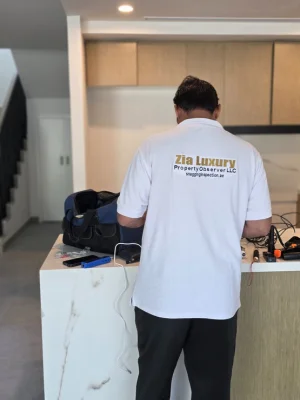
Purchasing a property is a major decision, whether it is for living or investment. Buyers often trust that a new or recently completed property will be delivered without issues. However, construction defects are more common than expected. Property snagging plays a vital role in identifying these problems before they become expensive repairs.
Property snagging ensures the property is completed to an acceptable standard and gives buyers confidence before final handover. It is a practical step that helps avoid disputes and future maintenance stress.
What Does Property Snagging Mean?
Property snagging is a detailed inspection process used to identify defects, unfinished items, or poor-quality workmanship in a property. These defects are known as snags and can affect both appearance and functionality.
The inspection findings are documented in a snag list. This list is shared with the developer or seller, who is then responsible for correcting the issues within an agreed time frame.
Why Buyers Should Never Skip Property Snagging
Many defects are hidden and cannot be detected by an untrained eye. Buyers who skip snagging may face unexpected costs after moving in. Property snagging helps identify problems early, when responsibility still lies with the developer.
This process benefits buyers by:
-
Reducing future repair expenses
-
Ensuring safety and comfort
-
Improving overall construction quality
-
Protecting the value of the property
-
Avoiding post-handover disputes
It is a small investment that delivers long-term benefits.
Best Time to Carry Out Property Snagging
The ideal time for property snagging is before final handover. This allows defects to be fixed without additional cost. Early inspection also prevents delays in moving in.
Property snagging is also useful:
-
Before final payment
-
During the defect liability period
-
Before renting the property
-
Before selling a newly built unit
Each inspection stage adds another layer of protection for buyers.
Areas Covered in a Property Snagging Inspection
A professional property snagging inspection covers all visible and functional areas of the property.
Internal Areas
Inside the property, inspectors check:
-
Wall finishes and paint quality
-
Floor levels and tile alignment
-
Doors, frames, and locks
-
Windows and sealing
-
Electrical outlets and lighting
These checks ensure the interior meets expected standards.
Kitchen and Bathroom Inspection
Kitchens and bathrooms are high-risk areas due to plumbing and moisture exposure. Property snagging includes:
-
Leak detection
-
Drainage testing
-
Cabinet installation review
-
Countertop finishing
-
Ventilation performance
Issues in these spaces can cause long-term damage if not fixed early.
Mechanical and Electrical Systems
Property snagging also examines essential systems such as:
-
Air conditioning units
-
Electrical wiring and safety
-
Plumbing connections
-
Water heaters
-
Exhaust systems
Proper functioning of these systems is critical for daily living.
Exterior and Structural Evaluation
For villas and buildings, exterior checks are also performed. These include:
-
Roof condition and waterproofing
-
External wall cracks
-
Balcony railings and safety
-
Parking areas
-
Staircases and common areas
Structural issues can affect safety and durability if ignored.
Understanding the Property Snagging Report
Once the inspection is complete, a detailed snagging report is prepared. This report includes:
-
Clear descriptions of defects
-
Photographs for evidence
-
Location of each issue
-
Recommended corrective actions
The report serves as an official record and helps ensure all snags are addressed.
Professional Property Snagging vs Buyer Inspection
Some buyers attempt to inspect the property themselves, but many defects require professional knowledge. Trained inspectors understand construction standards and common problem areas.
Why Professional Property Snagging Is Better
-
Experienced inspection methods
-
Use of professional tools
-
Accurate documentation
-
Time-saving process
-
Better communication with developers
Professional inspections reduce risk and increase confidence.
Common Issues Found During Property Snagging
Even well-finished properties often have defects. Common findings include:
-
Poor paint finishing
-
Cracked or uneven tiles
-
Loose electrical fittings
-
Water leakage
-
Misaligned doors
-
Inadequate waterproofing
Early detection helps avoid inconvenience after moving in.
How Property Snagging Adds Long-Term Value
A property free from defects retains its value better. Property snagging ensures buyers receive quality construction, making the property more attractive for resale or rental.
By addressing issues early, buyers reduce maintenance costs and protect their investment over time.
Who Should Use Property Snagging Services
Property snagging is suitable for:
-
First-time home buyers
-
Property investors
-
Owners of off-plan units
-
Buyers of renovated homes
-
Commercial property owners
Any completed or recently constructed property can benefit from snagging.
Conclusion
Property snagging is an essential step in the property buying journey. It helps uncover defects, ensures construction quality, and protects buyers from unnecessary expenses. Whether buying a home or an investment unit, property snagging provides peace of mind and long-term security.
Taking the time to arrange proper property snagging before handover can save money, time, and stress while ensuring a smooth transition into your new property.

 Magyar
 Arabic
 French
 Spanish
 Portuguese
 Deutsch
 Turkish
 Dutch
Dutch
 Italiano
 Russian
 Romaian
 Portuguese (Brazil)
 Greek
Greek