
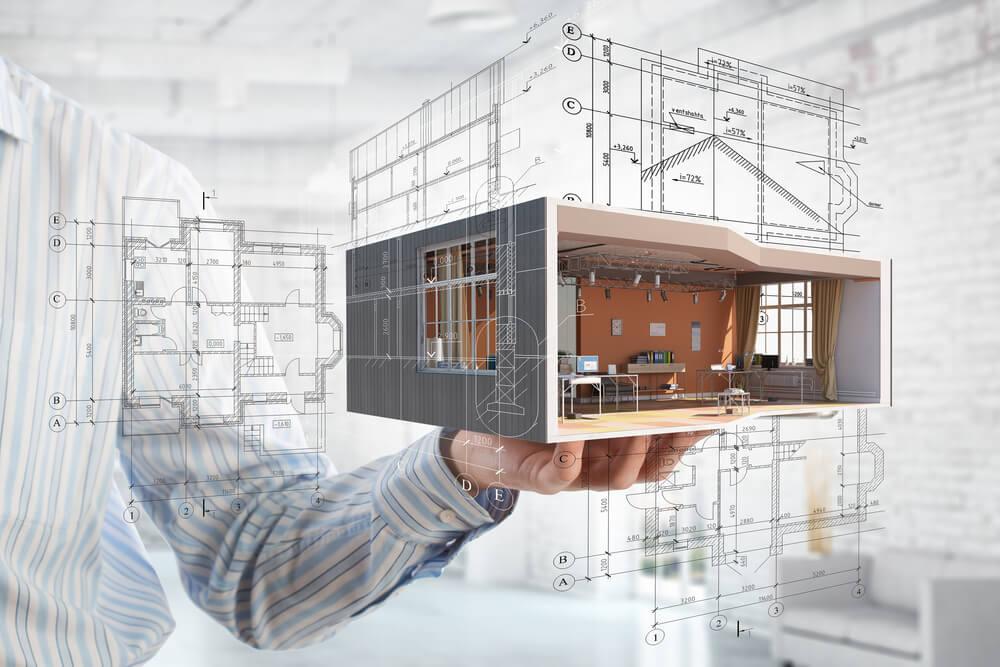
Dubai has always been a city that looks towards the future. From its skyline to its infrastructure, everything is built with ambition and long-term vision in mind. In recent years, sustainability has become a major focus in the construction sector. Developers, authorities, and end users are now more aware of environmental impact, energy efficiency, and long-term operational costs. At the center of this shift is the role of architectural design services.
Architectural design is no longer just about creating visually striking buildings. In Dubai, it plays a critical role in shaping sustainable structures that respond to climate, culture, and modern living needs. Understanding the role of architectural design services in sustainable building design helps explain how thoughtful planning at the design stage can create long lasting value.
Why sustainability matters in Dubai's built environment
Dubai's climate presents unique challenges. High temperatures, humidity, and strong sunlight place heavy demands on buildings. Energy consumption for cooling is significant, and water resources must be managed carefully.
Because of this, sustainability in Dubai is not just a global trend but a local necessity. Government initiatives and green building regulations encourage developers to adopt environmentally responsible practices. Architectural design services are the first step in meeting these goals.
By making sustainability a core design principle rather than an afterthought, architects help create buildings that perform better throughout their lifecycle.
Architectural design as the foundation of sustainable buildings
Sustainability begins at the design stage. Decisions made early in a project have the greatest impact on energy use, material selection, and environmental performance.
Architectural design services define building orientation, massing, and layout. In Dubai, proper orientation can significantly reduce heat gain and improve natural lighting. Thoughtful planning minimizes reliance on artificial cooling and lighting.
Architects also consider how a building interacts with its surroundings. Shading, landscaping, and outdoor spaces are designed to improve comfort while reducing environmental impact.
Passive design strategies for the Dubai climate
One of the most important contributions of architectural design services to sustainability is the use of passive design strategies. These strategies work with the natural environment rather than against it.
In Dubai, this includes optimizing building orientation to limit direct sun exposure, designing deep overhangs and shading devices, and using courtyards to promote airflow. High performance facades reduce heat transfer while allowing natural light.
These design choices reduce energy demand and improve indoor comfort, supporting sustainable outcomes without relying solely on mechanical systems.
Material selection and sustainable architecture
Architectural design services play a major role in selecting materials that support sustainability goals. Choices made at this stage affect embodied energy, durability, and maintenance requirements.
In Dubai, architects often consider materials that perform well in extreme climates, require less maintenance, and have longer lifespans. Locally sourced materials can reduce transportation impact, while innovative products improve insulation and reflectivity.
By balancing aesthetics, performance, and sustainability, architects help create buildings that are both attractive and responsible.
Energy efficiency through smart architectural planning
Energy efficiency is a core element of sustainable building design. Architectural design services influence energy performance long before systems are installed.
Window placement, glazing ratios, and facade design all affect heat gain and daylight penetration. Efficient layouts reduce wasted space and improve airflow.
When architectural design works in harmony with engineering systems, overall building performance improves. Digital coordination supported by platforms such as bin ally helps teams align architectural intent with energy efficient solutions.
Water efficiency and sustainable design
Water conservation is especially important in Dubai. Architectural design services contribute by integrating water efficient strategies into building layouts.
This includes designing for efficient plumbing routes, integrating water saving fixtures, and planning landscapes that require minimal irrigation. Native and adaptive plants reduce water demand while enhancing outdoor spaces.
Rainwater collection and greywater systems can also be considered during design, supporting broader sustainability goals.
The role of architectural design in indoor environmental quality
Sustainability is not only about energy and resources but also about human well being. Architectural design services shape indoor environments that support comfort, health, and productivity.
Natural light, views, acoustics, and thermal comfort all depend on architectural decisions. In Dubai’s residential and commercial projects, high quality indoor environments add value and improve user experience.
By prioritizing indoor environmental quality, architects support sustainable buildings that people enjoy using over the long term.
Integration with engineering and sustainability consultants
Sustainable building design requires collaboration. Architectural design services work closely with structural, MEP, and sustainability consultants to achieve balanced outcomes.
Early coordination ensures that design concepts align with performance targets. Architects collaborate on energy modeling, daylight analysis, and sustainability assessments.
Digital workflows supported by bin ally improve communication and reduce misunderstandings, allowing teams to make informed decisions together.
Supporting green building standards and certifications
Many projects in Dubai aim to meet green building standards and certification requirements. Architectural design services play a key role in achieving these targets.
Design documentation, material specifications, and spatial planning all contribute to compliance. Architects help ensure that sustainability requirements are integrated naturally into the design rather than added later.
This approach reduces risk and supports smoother approval processes.
Sustainable design in residential developments
Residential buildings in Dubai increasingly emphasize sustainability as buyers become more environmentally conscious. Architectural design services shape homes that are comfortable, efficient, and responsive to climate.
Smart layouts, efficient insulation, and shaded outdoor spaces improve livability. Sustainable design also supports long term cost savings for residents through reduced energy and water bills.
These benefits make sustainable residential projects more attractive in a competitive market.
Sustainable architecture in commercial and mixed use projects
Commercial and mixed use developments in Dubai face high operational demands. Architectural design services help manage these demands through efficient planning.
Flexible layouts support changing tenant needs, extending building lifespan. Efficient circulation reduces energy use, while thoughtful zoning improves comfort.
Sustainable design enhances asset value and supports long term investment goals.
The role of technology in sustainable architectural design
Digital tools have transformed architectural design services. Advanced modeling and analysis allow architects to test sustainability strategies early in the design process.
Energy simulations, daylight studies, and performance analysis support data-driven decisions. Digital collaboration platforms such as bin ally help integrate these insights across teams.
Technology enables architects to predict building behavior and refine designs for optimal performance.
Balancing innovation and practicality
While sustainability encourages innovation, architectural design services must also consider practicality and constructability. Designs must be feasible within project budgets and timelines.
Architects balance ambitious sustainability goals with local construction practices and available technologies. This practical approach ensures that sustainable design is achievable and delivers real benefits.
In Dubai's fast-paced construction environment, this balance is essential.
Challenges in sustainable architectural design
Despite progress, challenges remain. Cost concerns, tight schedules, and limited awareness can affect sustainability efforts.
Architectural design services address these challenges by educating stakeholders and demonstrating long-term value. Clear communication helps clients understand how sustainable design supports operational savings and asset performance.
Collaboration and early planning reduce resistance and improve outcomes.
The future of sustainable architectural design in Dubai
Dubai's commitment to innovation and sustainability continues to grow. Architectural design services will play an even greater role in shaping environmentally responsible buildings.
Future trends include greater integration of renewable energy, smart building systems, and adaptive design strategies. Architects will increasingly consider lifecycle performance and resilience.
Digital platforms like bin ally will continue to support collaboration and data driven design.
Conclusion
The role of architectural design services in sustainable building design is central to Dubai's vision for a smarter and more responsible built environment. From early planning and passive design strategies to material selection and collaboration, architects influence every aspect of sustainability.
By integrating environmental considerations into design decisions, architectural design services create buildings that perform better, cost less to operate, and provide healthier spaces for people. Supported by digital collaboration through bin ally, architects help align sustainability goals with practical delivery.
As Dubai continues to evolve, sustainable architectural design will remain a key driver of innovation, quality, and long-term value in the construction industry.

 Magyar
 Arabic
 French
 Spanish
 Portuguese
 Deutsch
 Turkish
 Dutch
Dutch
 Italiano
 Russian
 Romaian
 Portuguese (Brazil)
 Greek
Greek