
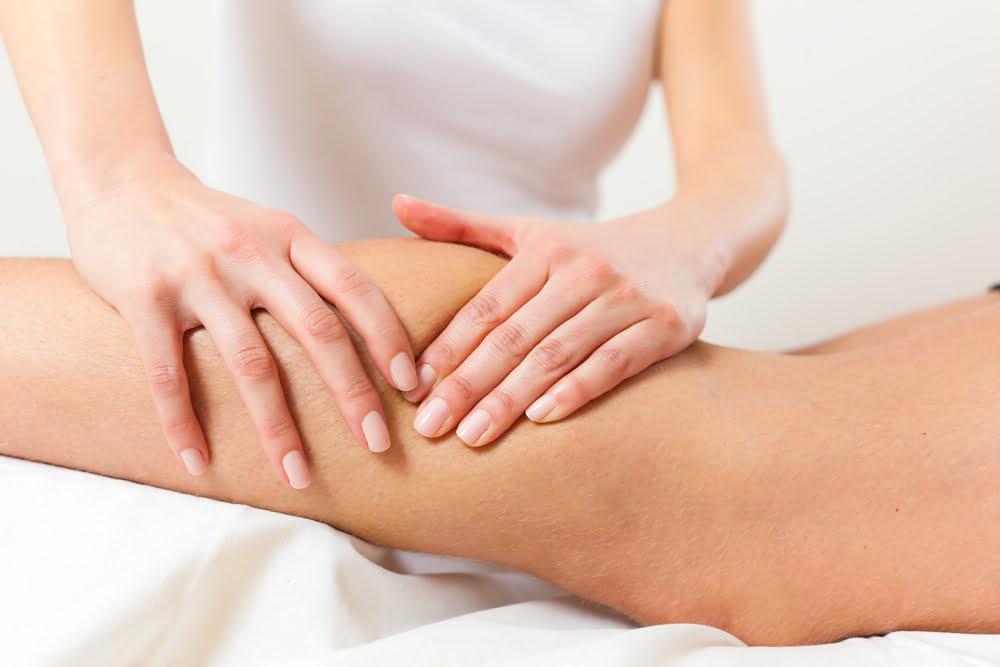
Lymphatic massage has become increasingly visible in wellness conversations, often surrounded by bold claims and conflicting information. As interest grows in services like Lymphatic Massage in Riyadh, so does confusion about what this gentle therapy truly offers. Separating myths from facts is essential for setting realistic expectations and understanding how lymphatic massage fits into a balanced approach to health and self-care.
Myth: Lymphatic Massage Instantly Detoxes the Body:
One of the most common misconceptions is that lymphatic massage immediately “flushes out” toxins from the body. In reality, detoxification is a complex process handled primarily by the liver and kidneys, with the lymphatic system acting as a supportive transport network.
What it actually does:
-
Encourages movement of lymph fluid
-
Supports the body’s natural waste-removal pathways
-
Helps reduce lymph stagnation
-
Assists existing detox mechanisms rather than replacing them
Lymphatic massage supports detoxification over time, not through instant or dramatic results.
Myth: Stronger Pressure Means Better Results:
Many people assume that deep or forceful massage techniques are more effective. This belief does not apply to lymphatic massage, which relies on light, rhythmic movements to stimulate superficial lymph vessels.
The reality includes:
-
Lymph vessels sit close to the skin’s surface
-
Gentle pressure is more effective than deep force
-
Overly strong techniques can reduce effectiveness
-
Precision matters more than intensity
The effectiveness of lymphatic massage lies in technique, not pressure.
Myth: It Is Only for Medical Recovery:
While lymphatic massage is often associated with post-surgical or medical recovery, limiting it to this role overlooks its broader wellness applications. Many healthy individuals benefit from it as part of preventative care.
It can also support:
-
General circulation and fluid balance
-
Stress management and relaxation
-
Active lifestyles and exercise recovery
-
Long-term wellness maintenance
Its benefits extend beyond clinical settings into everyday self-care routines.
Myth: Lymphatic Massage Causes Weight Loss:
Another widespread myth is that lymphatic massage directly causes fat loss or long-term weight reduction. While some people notice temporary changes in appearance, these are usually related to reduced fluid retention rather than fat loss.
What it can and can’t do:
-
Can reduce bloating and swelling
-
May improve body contour temporarily
-
Does not burn fat or replace exercise
-
Does not lead to permanent weight loss
Understanding this distinction helps avoid unrealistic expectations.
Myth: Results Should Be Immediate and Dramatic:
Social media often portrays lymphatic massage as producing instant, visible transformations. In reality, the body responds gradually, and results depend on consistency, lifestyle, and individual physiology.
More realistic outcomes include:
-
Subtle improvements over time
-
Gradual reduction in swelling
-
Enhanced sense of lightness
-
Progressive support of internal balance
Lymphatic massage works best as a long-term practice rather than a one-time solution.
Myth: It Replaces a Healthy Lifestyle:
Lymphatic massage is sometimes viewed as a shortcut to wellness, but it cannot replace foundational health habits. It works best when combined with supportive lifestyle choices.
It does not replace:
-
Regular physical movement
-
Balanced nutrition
-
Proper hydration
-
Adequate sleep and stress management
Instead, lymphatic massage enhances the benefits of these habits when used together.
Myth: Everyone Will Experience the Same Benefits:
Another misconception is that lymphatic massage produces identical results for everyone. The lymphatic system is influenced by age, activity level, hydration, and overall health, which means responses vary.
Individual differences may include:
-
Sensitivity to fluid shifts
-
Speed of noticeable changes
-
Frequency needed for maintenance
-
Overall response to manual therapy
Personalized expectations are key to a positive experience.
Myth: More Frequent Sessions Are Always Better:
Some believe that frequent lymphatic massage sessions automatically lead to better results. While consistency is important, the body also needs time to adapt and respond.
A balanced approach considers:
-
Allowing time for internal adjustment
-
Matching frequency to individual needs
-
Avoiding over-stimulation
-
Focusing on sustainable routines
Quality and timing matter more than sheer frequency.
Myth: Lymphatic Massage Is Just a Relaxation Treatment:
Although lymphatic massage is calming, reducing it to a relaxation technique overlooks its physiological impact. The relaxation response is only one aspect of its broader influence on internal systems.
Beyond relaxation, it supports:
-
Fluid movement and balance
-
Immune system efficiency
-
Nervous system regulation
-
Tissue health and maintenance
Its calming effect complements, rather than defines, its purpose.
Myth: Benefits End When the Session Ends:
Some assume that once a session is over, its effects stop. In reality, the body continues responding for hours or even days afterward as lymph flow remains active.
Ongoing effects may include:
-
Continued waste processing
-
Extended relaxation response
-
Gradual reduction in congestion
-
Improved sleep or energy levels
This extended response highlights the cumulative nature of lymphatic massage.
Understanding What It Truly Can Do:
Clarifying what lymphatic massage can do is just as important as debunking myths. When used appropriately, it supports the body’s natural systems without making exaggerated promises.
Its realistic benefits include:
-
Supporting lymph circulation
-
Encouraging fluid balance
-
Enhancing recovery and relaxation
-
Promoting long-term wellness consistency
This grounded understanding leads to more satisfying and sustainable results.
Contextual Awareness and Modern Wellness:
In modern wellness culture, interest in Lymphatic Massage in Riyadh reflects a broader shift toward informed, preventative self-care. As people become more educated, separating myth from fact allows them to choose therapies with confidence and clarity.
This awareness supports:
-
Better decision-making
-
Realistic wellness goals
-
Long-term health planning
-
A balanced view of holistic therapies
Knowledge enhances the value of any wellness practice.
Final Thoughts:
Lymphatic massage is neither a miracle cure nor an empty trend. By understanding what it can and cannot do, individuals can approach it with realistic expectations and greater appreciation. When myths are set aside, lymphatic massage emerges as a gentle, supportive tool that complements healthy habits, encourages balance, and contributes meaningfully to long-term well-being.

 English
 Magyar
 Arabic
 French
 Spanish
 Deutsch
 Turkish
 Dutch
Dutch
 Italiano
 Russian
 Romaian
 Portuguese (Brazil)
 Greek
Greek