
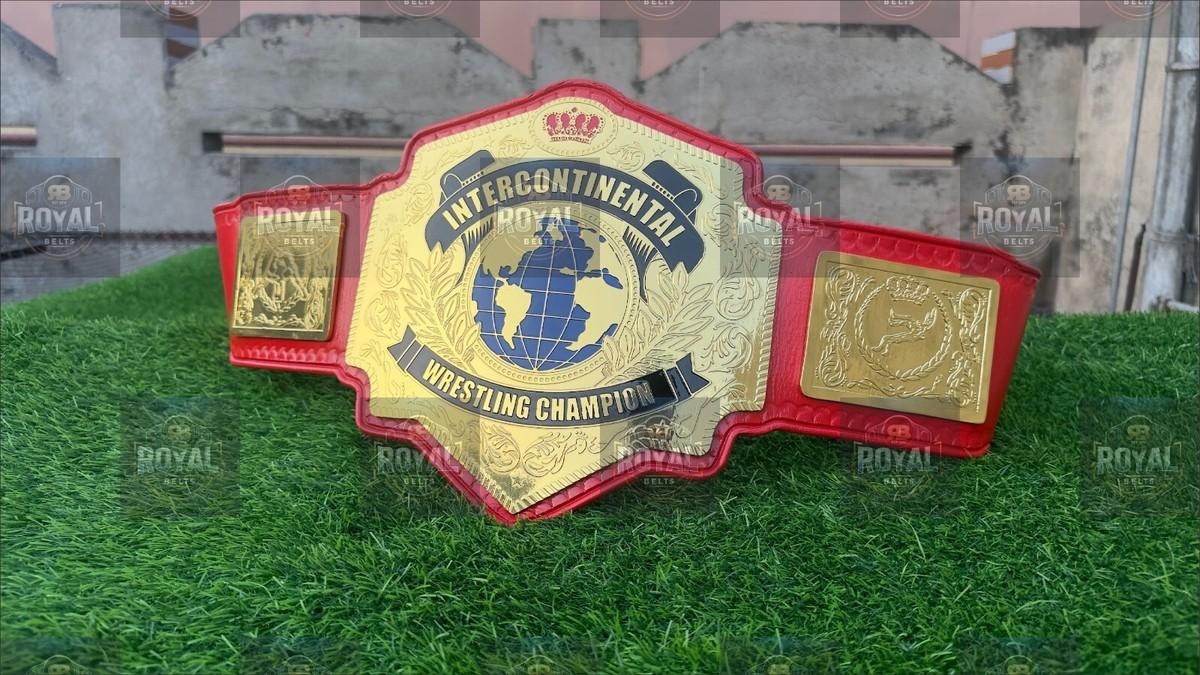
There's a moment every fantasy football season when the trash talk fades, the group chat goes quiet, and one manager stands taller than the rest. It's not just about winning a matchup or getting lucky with waivers. It's about surviving the long grind — the injuries, the bad beats, the last-second touchdowns that swing everything. That's where the fantasy football championship belt earns its meaning. It's not a trophy you glance at once a year. It's a statement that lingers all season long.
Fantasy football has matured. What started as a casual hobby between friends has become a deeply personal ritual tied to pride, identity, and relationships. The championship belt fits into that evolution perfectly, because it speaks to something older than the game itself — the human need for recognition.
Why a Belt Feels Different Than a Trophy
Now leagues begin with a basic trophy. The plastic football. A name engraved in small letters. It works, technically. But it doesn't feel like dominance.
The belt does.
Belts carry weight — visually and emotionally. They borrow symbolism from combat sports and wrestling, where a title means you weren't just good once, you defended your position against challengers. When a fantasy champion wears a belt, even jokingly, it shifts the energy of the room. Conversations change. The jokes land differently. The winner becomes the benchmark everyone else is chasing.
Unlike trophies that sit on shelves, belts move with the person. They get carried into draft parties, brought to watch parties, and shown off in photos. That mobility gives the win a longer life, extending the emotional payoff far beyond championship week.
The Psychology Behind Symbolic Rewards
Fantasy football thrives on emotion. That’s why people care so much. Wins feel personal. Losses linger longer than they should. A belt taps into that psychology in a way few rewards do.
Symbols matter because they externalize achievement. They turn abstract success into something tangible. Wearing a championship belt isn’t about ego — it’s about validation. It says, “I invested time. I made tough calls. I earned this.”
There’s also something tribal about it. The belt creates hierarchy within the league, which fuels motivation for the next season. Suddenly, the draft isn’t just about building a roster. It’s about taking something away from someone else.
That tension is healthy. It keeps leagues alive.
How Belts Strengthen League Traditions
Long-running leagues survive because they build traditions. Annual punishments, rivalry matchups, draft locations — these rituals give the league identity. A championship belt often becomes the centerpiece of that culture.
Over time, the belt develops history. Scratches. Stories. Inside jokes tied to past champions. New members learn quickly what it represents. Veterans defend it fiercely. The belt stops being an object and starts becoming lore.
Many leagues even build ceremonies around it. A formal handoff at the draft. A group photo. A speech filled with exaggerated confidence and selective memory. These moments deepen friendships and give the league something to look forward to beyond stats and projections.
The Emotional Side of Winning It All
For some people, fantasy football is just fun. For others, it’s a lifeline — a way to stay connected with friends they don’t see as often anymore. That emotional layer is why the belt hits harder than a cash prize.
Money disappears. Experiences don’t.
Winning a championship belt can represent a lot more than football. For a dad, it might be the one thing he’s proudly competitive about outside of work and family. For a son, it might be proof that his strategies finally outpaced the older generation. For friends who’ve grown apart geographically, it’s a shared moment that pulls everyone back together.
Those emotional undercurrents are why people remember who won the belt years later — long after they’ve forgotten the exact score.
A Unique Gift With Personal Meaning
Gifting in fantasy football circles can be tricky. Most participants already buy their own gear. Jerseys, hats, subscriptions — everyone’s covered. A championship belt changes that dynamic because it isn’t about utility. It’s about symbolism.
When a league introduces a belt, especially as a gift from a commissioner or group, it sends a message: this matters. It shows effort. Thought. Respect for the time everyone invests.
For family leagues, the gesture can feel surprisingly emotional. Sons gifting a belt to a father. Siblings turning competition into tradition. The belt becomes a shared object tied to family stories and playful rivalry.
It’s not flashy. It’s meaningful.
How Wearing the Title Changes the Next Season
One of the most underrated aspects of a championship belt is what it does after the season ends. The winner doesn’t just celebrate — they carry pressure.
Every trade offer gets scrutinized. Every lineup decision gets mocked. The champion becomes the league’s measuring stick. That dynamic makes the following season better for everyone.
Belts create continuity. They turn isolated seasons into chapters of a larger story. The reigning champion walks into the draft with confidence — and a target on their back. Everyone else walks in hungry.
That emotional carryover keeps leagues from stagnating.
The Balance Between Humor and Respect
Fantasy football thrives on humor, but it also runs on respect. A belt sits right at that intersection. It’s bold without being cruel. Playful without being dismissive.
Unlike punishments that shame last-place finishers, a championship belt celebrates success. That positivity matters, especially in leagues with mixed personalities and ages. It allows bragging without resentment.
The best leagues understand this balance. They let champions enjoy their moment while keeping the tone friendly. The belt becomes a shared joke everyone secretly wants to be part of.
Longevity Over Novelty
Many leagues experiment with gimmicks that fade quickly. Weekly awards. Complicated scoring twists. Novel ideas that lose charm. A championship belt tends to stick because it aligns with something timeless — recognition.
As seasons pass, the belt becomes more valuable, not less. Each new champion adds to its story. Each defense attempt raises the stakes. Over time, winning it once isn’t enough. People want legacies.
That long-term appeal is what separates meaningful traditions from passing trends.
When the Belt Becomes Personal Style
There’s also an unexpected personal style element to championship belts. They aren’t just sports memorabilia — they’re expressive. They show confidence, humor, and self-awareness.
Some champions display them prominently. Others keep them tucked away, bringing them out only for special moments. Both approaches say something about the person wearing it.
That flexibility is part of the appeal. The belt adapts to personality. Loud or understated. Competitive or casual. It fits all of it.
The Unspoken Bond It Creates
Perhaps the most powerful aspect of a championship belt is something people don’t talk about much — the bond it creates between league members.
Every time someone sees the belt, they remember shared Sundays, heated debates, group chats that went too far, and wins that felt bigger than they should have. It becomes a physical anchor for those memories.
That's why leagues that adopt a belt rarely go back. Once the symbol exists, it's hard to imagine the league without it.
Passing It Down, Passing It On
In family leagues especially, championship belts can take on a generational feel. Parents and children competing. Cousins and uncles reliving old rivalries. The belt becomes a way to pass down tradition, not just competition.
Years later, someone might not remember the exact lineup they used — but they'll remember the season they wore the belt. They'll remember who they beat. Where they were in life at the time.
That's the quiet power of symbolic rewards.
Why It Continues to Matter
Fantasy football changes every year. Rules shift. Platform update. Strategies evolve. But the desire to feel recognized remains the same.
The championship belt claps into that constant. It honors effort, patience, and a bit of luck. It respects the emotional investment people make week after week.
By the time a season ends, the winner isn't just the person with the best record. They're the one who navigated chaos better than everyone else. Giving that achievement a lasting symbol feels right.
That's why the fantasy football championship belt has become more than a novelty. It's a marker of dominance, yes — but also of connection, tradition, and pride.
And once a league experiences that feeling, there's no going back to a dusty trophy on a shelf.

 English
 Arabic
 French
 Spanish
 Portuguese
 Deutsch
 Turkish
 Dutch
Dutch
 Italiano
 Russian
 Romaian
 Portuguese (Brazil)
 Greek
Greek